
Another US$27 billion needed to pursue a life expectancy of 76 years
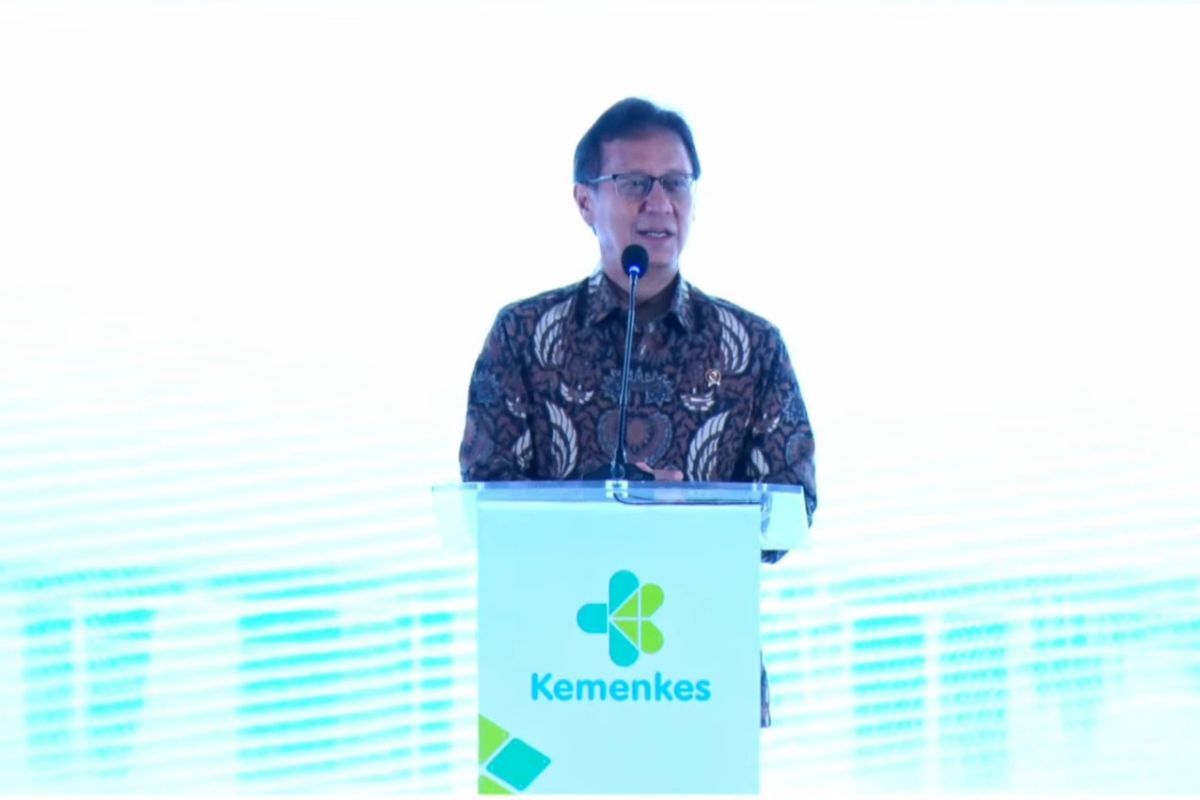
Jakarta (ANTARA) - Health Minister Budi Gunadi Sadikin said approximately US$26–27 billion is still needed to transform the national health system in order to raise life expectancy to 76 years and healthy life expectancy to 65 years.
Speaking at the 4th Indonesia Health Partners Meeting (IHPM), Budi said both targets, set by President Prabowo Subianto, are intended to ensure Indonesians live longer and enjoy more years in good health.
“It is not pleasant to have a long life but spend the last ten years of it with dementia. Or to have a stroke that prevents you from walking properly in the final ten years of your life,” he said in Jakarta on Tuesday.
He explained that the transformation requires a total of US$223 billion. The system and the government have already provided around US$203 billion, of which US$177 billion has been allocated for the transformation, leaving a shortfall of US$26–27 billion to be filled within five years.
To meet this gap, he said, his ministry is working to build trust with global partners and philanthropists.
Budi noted that since he took office as Health Minister, collaboration with global partners has improved the quality of healthcare services. As an example, he cited the distribution of around 300,000 anthropometric devices to integrated health posts (posyandu) across 7,000 inhabited islands within a year.
“We have also successfully distributed 10,000 ultrasound machines to 10,000 community health centres (puskesmas). Previously, only 22 per cent of our puskesmas had an ultrasound. Imagine wanting to give birth without access to a single ultrasound to understand the condition of your pregnancy,” he said.
In addition, X-ray machines have been distributed to puskesmas for tuberculosis screening. He expressed hope that 2,000 X-ray machines could be delivered by 2026, and 4,000 by the following year.
Furthermore, Budi said, puskesmas are now being equipped with Near Point of Care Testing (NPOCT) terminals, which enable them to detect pathogens and identify the presence of pathogens or infectious diseases.
As part of the health transformation, Indonesia has also implemented the Free Health Check programme (CKG) to prevent severe outcomes from non-communicable diseases, and is developing genomic testing to understand demographic health conditions and devise measures to extend life expectancy.
To support these initiatives, he said, financing from global partners and philanthropists is needed.