
Anis Hidayah Reveals the Wounds of Being a Human Rights Activist: Terrorised, Defamed, and Failing to Save Lives
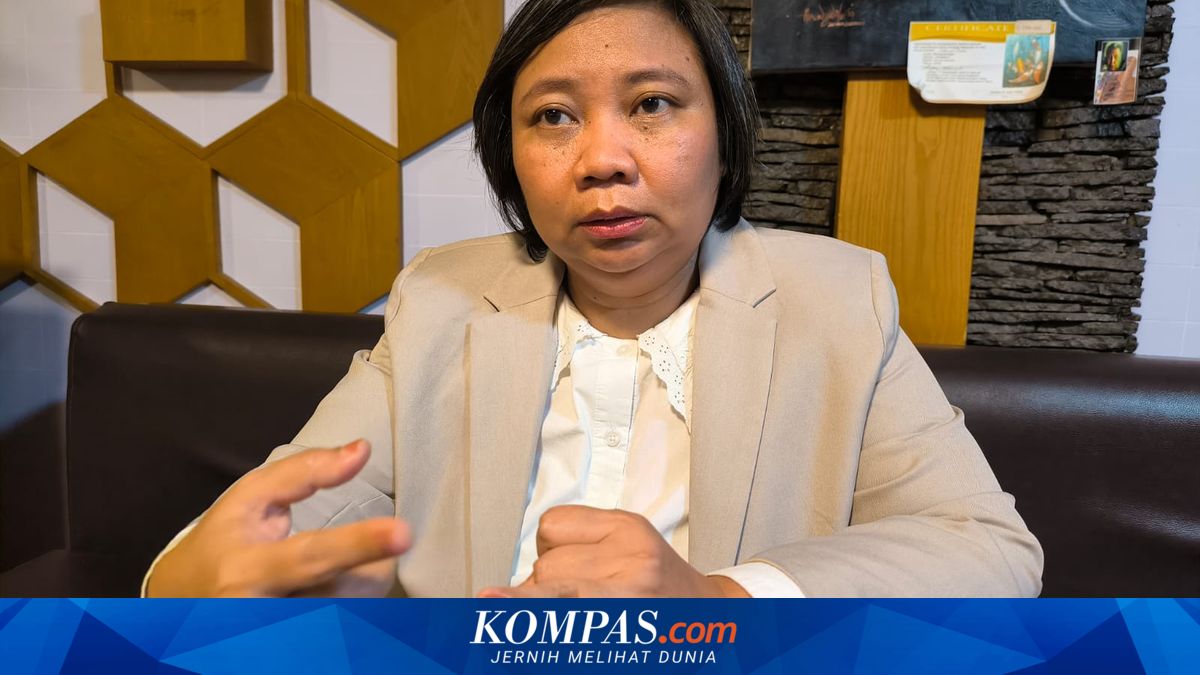
Bekasi - Threats, intimidation, and attacks on her personal life have been risks that Anis Hidayah (49) has faced for decades in her fight for the rights of Indonesian migrant workers, especially women.
The human rights activist from Bojonegoro, East Java, admitted to repeatedly experiencing intimidation, both direct and digital, while assisting victims of human trafficking, violence, and migrant workers facing the death penalty abroad.
“My social media was attacked by unknown people who defamed me when I raised private issues, including calling me a sex worker,” said Anis when contacted by Kompas.com via telephone on Monday (11/5/2026).
The attacks did not stop at social media. Anis admitted to receiving terror in the form of text messages from various foreign numbers ordering sex worker services in her name.
When trying to trace the source of the attacks, Anis found that her personal identity had been disseminated on the internet with narratives attacking her dignity as a woman.
“After I googled it, it turned out that it was indeed a doxing that spread me as a call girl,” said Anis.
Not only a victim of digital attacks, Anis has also experienced direct intimidation.
She admitted to being followed by unknown people, receiving mysterious packages, and facing attacks on the office where she works.
Around 2014 to 2015, Anis also experienced defamation and criminalisation related to her advocacy activities.
“I experienced criminalisation and defamation, then I was helped at that time by the Press Council and advocate friends so that I could later be freed,” she said.
Despite facing various threats, Anis admitted that she has never been deterred from continuing to defend victims of human rights violations.
“From the beginning, I already understood that there would be risks like this. So there is concern about the safety of the family only,” said Anis.
According to her, threats against human rights activists often arise because they clash with human trafficking networks, large corporations, and certain individuals who feel disadvantaged.