
Anindya Warns of Falling Tax Revenues and Proposes a Way Forward for Indonesia
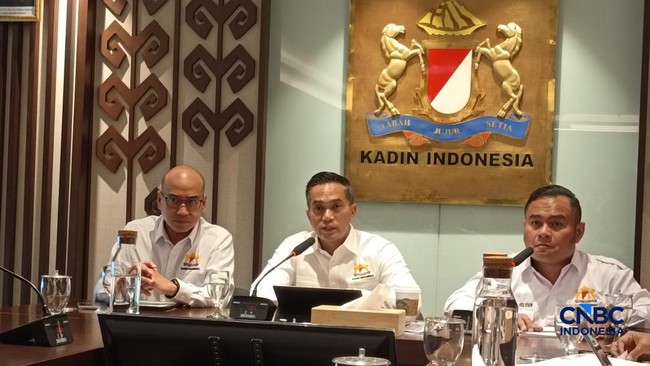
Jakarta, CNBC Indonesia — Indonesian Chamber of Commerce and Industry (Kadin) chairman Anindya Novyan Bakrie has highlighted the fact that the quality of investment in Indonesia has not fully translated into job creation. He said capital-intensive investments such as data centres, smelters and downstream processing tend to employ fewer people than labour-intensive industries.
Anindya made the remarks in response to investment realisation reportedly exceeding Rp1,500 trillion, while the number of formal workers has fallen and informal employment has increased.
“Investment quality is a very interesting issue. Why is investment rising, while formal employment is falling and informal employment is increasing?” Anindya said at a press conference during Kadin’s National Leadership Meeting at its office in Jakarta on Thursday (22 October 2026).
He said this situation did not necessarily indicate a direct cause-and-effect relationship. The types of investment entering Indonesia vary, he said, and therefore have different effects on employment.
“Some investments are capital-intensive, such as data centres, smelters and downstream processing. Because they are supported by technology, they naturally do not employ many people,” he said.
Anindya therefore proposed that Indonesia also strengthen investment in labour-intensive sectors that can create more jobs. These include agriculture, plantations, fisheries, garments, footwear and furniture.
“There are also many industries that need labour-intensive investment, such as agriculture, plantations, fisheries, garments, footwear and furniture,” he said.
He added that boosting exports should be part of a strategy to improve competitiveness and support domestic industrial growth. Indonesia should develop exports that complement, rather than duplicate, those of other countries, while also expanding exports from labour-intensive industries, he said.
“Ideally, we would have time to focus on everything. But if our options are limited, the important thing is to increase exports first — exports that are not similar to those from elsewhere, so they are complementary — and, thirdly, perhaps exports focused on labour-intensive sectors, like the ones I mentioned,” Anindya said.
Alongside promoting investment in labour-intensive sectors, Anindya said informal workers and businesses should receive support to help them enter the formal sector. This could strengthen business competitiveness and broaden the tax base, he said.
“Why does Kadin want to provide guidance and support? So that those who were informal can become formal, and we can improve their competitiveness,” he said.
Anindya warned that difficulties facing businesses could have a knock-on effect on the wider economy. When businesses weaken, tax revenues may fall, government funding may shrink and investment could also come under pressure.
“If businesses are struggling, tax revenues will certainly fall. And when tax revenues fall, funding also declines and investment decreases,” he said.
Anindya said improving competitiveness should therefore be a shared priority for the government and businesses. Investment strategy, he said, should consider not only the amount of capital coming in, but also its contribution to productivity, exports and employment.
Source: jawawa.id (https://jawawa.id/newsitem/anindya-warns-of-falling-tax-revenues-and-proposes-a-way-forward-for-indonesia-1792673462)
Originally published by CNBC Indonesia (https://www.cnbcindonesia.com/news/20261022170106-4-778663/anindya-ingatkan-ancaman-pajak-turun-kasih-usul-ri-pakai-cara-ini), translated from Indonesian