
Anindya Flags Huge Data Centre and Downstreaming Investments Amid Few Jobs
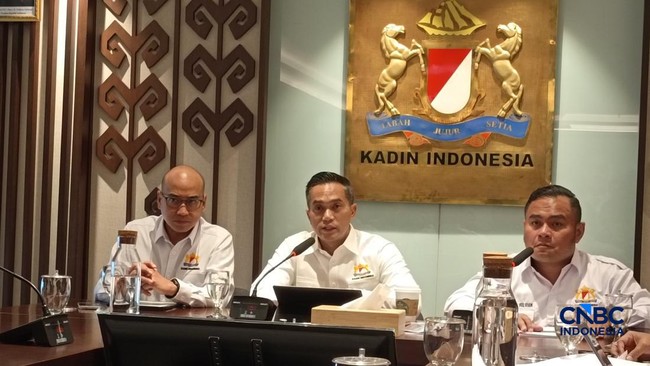
Jakarta, CNBC Indonesia — Indonesian Chamber of Commerce and Industry (Kadin) chairman Anindya Novyan Bakrie has highlighted the quality of investment in Indonesia, saying it does not necessarily translate into job creation. Opportunities for formal employment remain limited even though realised investment has surpassed Rp1,000 trillion.
This is because several major investments, such as data centres, smelters and downstream processing, tend to be capital-intensive and therefore do not employ large numbers of workers.
The issue has drawn attention amid claims that realised investment has exceeded Rp1,500 trillion, while the number of workers in the formal sector has declined.
Anindya said investments have different characteristics. Capital-intensive investment generally relies on technology, whereas labour-intensive industries have greater potential to absorb workers.
“Some investments are capital-intensive, such as data centres, smelters and downstream processing. Because they are supported by technology, they do not employ many people,” Anindya said at a press conference during Kadin’s national leadership meeting at its office in Jakarta on Thursday (22 October 2026).
Indonesia, he said, needs to focus on sectors capable of employing more people, such as agriculture, plantations, fisheries, garments, footwear and furniture.
“There are also many industries that need investment and are labour-intensive, such as agriculture, plantations, fisheries and garments,” he said.
Anindya added that strengthening labour-intensive sectors should be one consideration in determining the direction of Indonesia’s investment and exports.
He said improving competitiveness must be a priority so that domestic products can compete in international markets while supporting job creation.
“It would be best if we had time to focus on everything, but if our time is limited, it is important to first increase exports. Perhaps we should focus on exports from labour-intensive sectors, like those I mentioned,” he said.
Anindya also highlighted the large number of businesses and workers still in the informal sector. Businesses, he said, need guidance and assistance to help them enter the formal sector and improve their competitiveness.
“Why does Kadin want to provide guidance and assistance? So that those who are informal can become formal, and we can improve their competitiveness,” Anindya said.
He said competitiveness needed to be strengthened across the board through investment, productivity and support for businesses. In this way, investment growth would be reflected not only in the value of capital investment, but also in broader benefits for the economy and workers.
“That is why Kadin says that competitiveness in Indonesia is not just a supplementary measure; it is genuinely needed at this time,” he said.
Anindya also stressed the importance of improving worker productivity to maintain companies’ competitiveness, including when minimum wages rise.
“We have also said that any increase in the minimum wage should be accompanied by a productivity increase, so that we are more competitive,” he said.
Businesses, he added, need to manage investment risks by maintaining their competitiveness, including in response to technological developments such as artificial intelligence (AI).
Source: jawawa.id (https://jawawa.id/newsitem/anindya-flags-huge-data-centre-and-downstreaming-investments-amid-few-jobs-1792662733)
Originally published by CNBC Indonesia (https://www.cnbcindonesia.com/news/20261022144956-4-778619/anindya-soroti-investasi-raksasa-data-center-hilirisasi-vs-loker-minim), translated from Indonesian