
Anindya Bakrie Says Two-Year Delay to Mandatory Halal Certification Is Timely
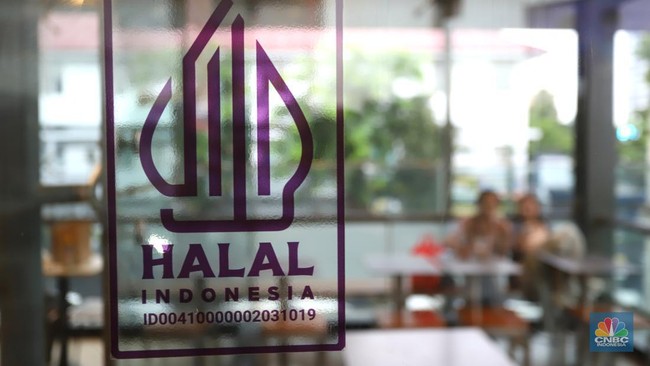
Jakarta, CNBC Indonesia — The Indonesian Chamber of Commerce and Industry (Kadin) considers the delay to mandatory halal certification for certain products and services an appropriate step, given businesses’ need to boost productivity. However, the government must still ensure that Indonesia’s halal industry develops and can compete in global markets.
Kadin Indonesia chairman Anindya Novyan Bakrie said micro, small and medium-sized enterprises (MSMEs) should focus on activities that have a direct impact on their productivity.
“At present, it is better for MSMEs to focus on productive matters—on things that have a direct impact,” Anindya said at a Kadin National Leadership Meeting press conference at the organisation’s office in Jakarta on Thursday (22 October 2026).
Nevertheless, Anindya emphasised that halal certification remains important to the development of the national halal industry. Indonesia has significant opportunities in the sector, he said, but is not yet at the forefront.
“The intention behind halal certification is good, but we also need to consider the timing—when it is appropriate—and thankfully, adjustments have been made,” he said.
He said the timing of the mandatory certification requirements should take businesses’ readiness into account. This would allow MSMEs to set their business priorities without overlooking opportunities to enter the halal products market.
“But let’s not forget that the halal industry is very large, both globally and in Indonesia. It is very, very large, while Indonesia still does not appear to be leading the way,” he said.
The government has previously decided to extend the phased introduction of mandatory halal certification for certain products and services until October 2028. The policy takes into account the readiness of the national halal ecosystem and input from business and industry associations.
The adjustment was made through an amendment to Government Regulation No. 42 of 2024 on the Implementation of Halal Product Assurance. Previously, several certification requirements were scheduled to take effect from 18 October 2026.
Susiwijono Moegiarso, secretary of the Coordinating Ministry for Economic Affairs, said the extension was needed to ensure the requirements could be implemented effectively while taking into account the readiness of all parties involved.
“Taking into account the readiness of the halal ecosystem, the government is extending the phased introduction of mandatory halal certification through a government regulation amending Government Regulation No. 42 of 2024,” Susiwijono said at a briefing on policies related to mandatory halal certification.
One adjustment applies to micro and small businesses. The transition period for mandatory certification of food, beverages, slaughtered animal products and slaughtering services has been extended until 17 October 2028. The requirement will take effect on 18 October 2028.
Anindya said he hoped the policy adjustment would give MSMEs room to strengthen productivity while helping Indonesia capitalise on the halal industry’s considerable potential, both domestically and internationally.