
Animal homes and the test of governance
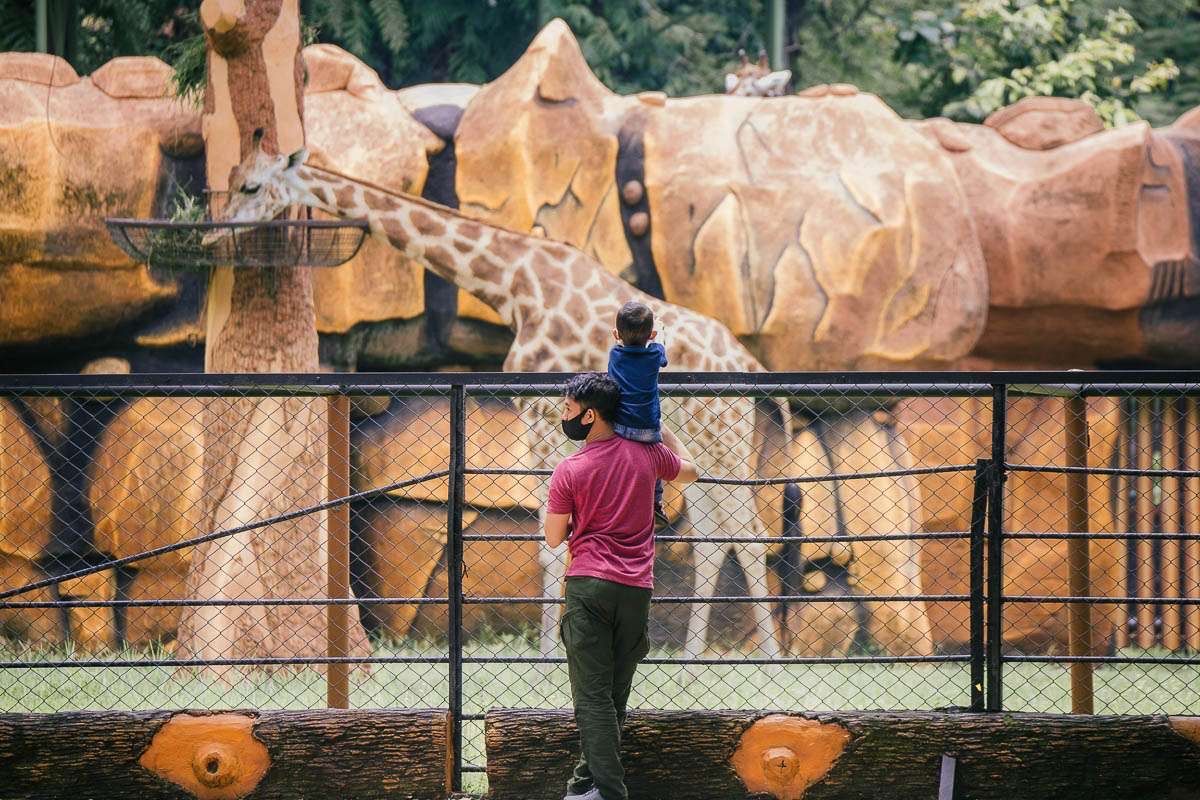
A good zoo is not merely a place where people come to see animals. It is a public space where people learn that life must be cared for with responsibility.
Surabaya Zoo (KBS) is not just a collection of enclosures, visitor pathways, and animal exhibits, but a conservation space that also carries the name of the city of Surabaya.
Therefore, when its governance is evaluated, what is truly being tested is not only the ability of a regional enterprise to manage money, but also the government’s ability to ensure that a conservation institution operates to trustworthy standards.
The Surabaya city government is now preparing a series of corrective measures. Internal evaluations are conducted periodically, independent auditors will be engaged, the organisational structure will be reviewed, and oversight mechanisms will be strengthened to cover the medical and nutritional aspects of animal care.
The city government is also emphasising integrity, managerial competence, understanding of good corporate governance, and track record in the selection of directors and supervisory boards.
These measures are becoming increasingly relevant because KBS faces two inseparable demands. On one hand, it must be managed as a sound and accountable regional public company (Perumda). On the other, KBS holds a mandate for conservation, education, research, and recreation.
Surabaya City Regional Regulation Number 3 of 2026 even affirms KBS as a regionally owned enterprise with objectives that include ex-situ wildlife conservation, education, research, recreation, and contribution to regional revenue.
This is where governance evaluation becomes important. Revenue and dividends remain necessary, but they are not sufficient to conclude that KBS has been well managed.
The measure of success must be broadened from financial reports to include animal welfare, service quality, conservation sustainability, compliance, transparency, and public trust.
All this time, the performance indicators of regional enterprises have easily fallen into the trap of the most visible metric, one of which is revenue.
However, the character of KBS differs from that of ordinary companies. Animals are not ordinary commodities that can be counted solely by economic value. Their welfare is part of the management’s primary obligation.
The Surabaya city government has itself stressed that the evaluation of KBS must not stop at dividend achievements. Oversight is designed to detect problems earlier, while independent audits are being prepared to strengthen the examination of financial management.