
Andes Strain of Hantavirus on Cruise Ship: Understanding the Risks and Differences from the Asian Variant
Editor
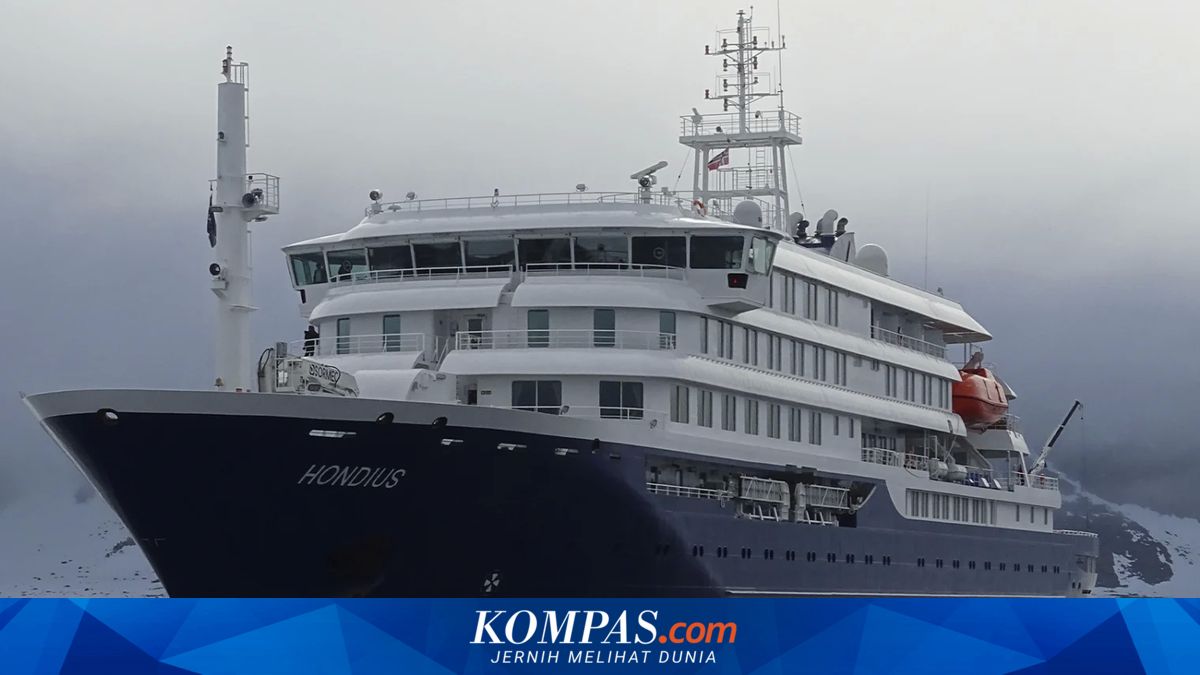
KOMPAS.com – Cases of hantavirus have once again captured global attention following reports of an outbreak on a cruise ship sailing from Argentina to Europe.
Although hantavirus is not a new threat, the emergence of the Andes strain, which has the ability to transmit between humans, has sparked in-depth discussion among health experts.
In response to this phenomenon, the Center for Tropical Medicine at the Faculty of Medicine, Public Health, and Nursing (FK-KMK) of Gadjah Mada University (UGM) held an expert discussion to examine the virus’s characteristics, pandemic risks, and clinical manifestations that the public needs to be aware of.
This virus causes Hantavirus Pulmonary Syndrome (HPS), which can be fatal.
“The cause of this hantavirus is the Andes strain. It is capable of causing pulmonary syndrome, which can be transmitted between humans through droplets,” said Riris on Wednesday (13/5/2026).
However, Riris emphasized that the mechanism is not as simple as COVID-19.
Human-to-human transmission of the Andes strain requires close contact over a long period of time. This is why the World Health Organization (WHO) assesses that the risk of a global pandemic from this cruise ship outbreak is still relatively low.
Dr. Alindina Anjani, Sp.PD, a specialist in internal medicine at Sardjito General Hospital, explained that hantavirus is divided into two main syndromes that differ geographically and in terms of symptoms:
“What happened on the cruise ship is HPS, while what is popular in Asia is HFRS. Because the two are different, the reservoir or type of rodent is also different, although the primary mode of transmission is almost the same,” explained Alindina.
One of the challenges in dealing with hantavirus, especially the HFRS type in Asia, is that the symptoms often resemble other tropical infectious diseases. Alindina reminded health workers to carefully conduct differential diagnoses.
The clinical manifestations of hantavirus are often similar to dengue fever (DHF), leptospirosis, malaria, and sepsis. Vigilance must be increased, especially if the patient has a history of interaction with rodents or is in an environment with poor sanitation.
The recommended preventive measures include:
Through this education, FK-KMK UGM hopes that the public will not panic but remain vigilant against the threat of zoonotic diseases that may re-emerge at any time.
KOMPAS.com is committed to providing clear, trustworthy, and balanced facts. Support the sustainability of clear journalism and enjoy ad-free reading comfort through Membership. Join KOMPAS.com Plus now.