
Ancient Microbial Fossils in Brazil Reveal Earth's Ocean Conditions 540 Million Years Ago
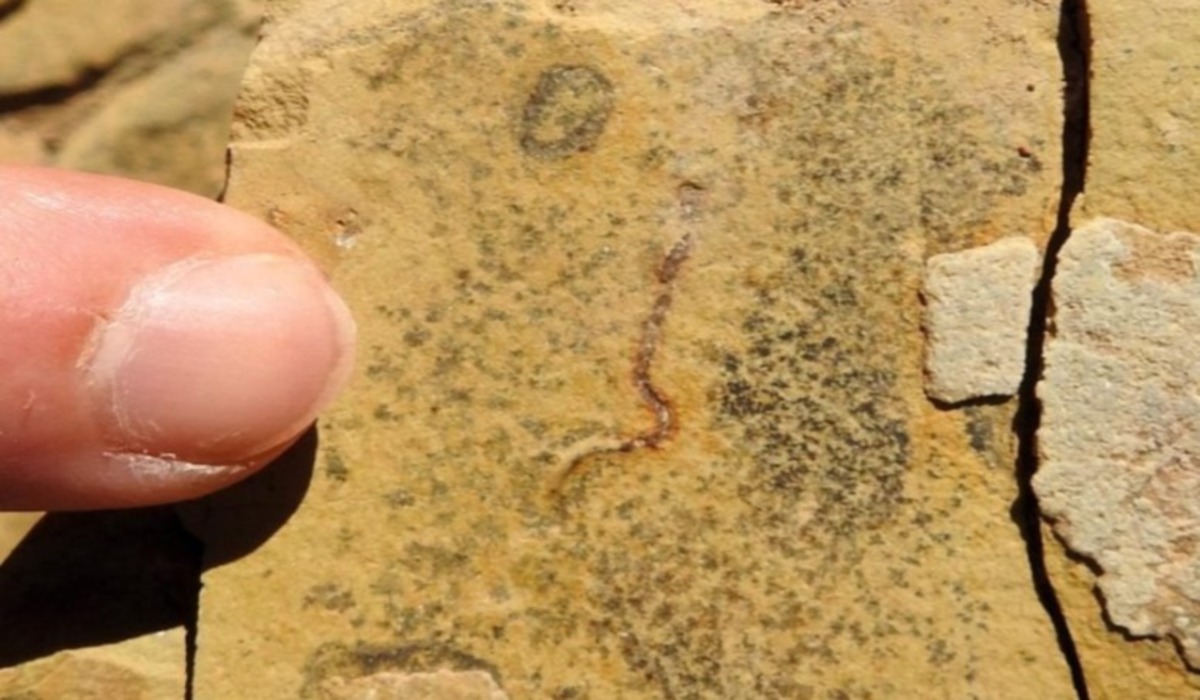
Ancient microfossil structures discovered in Brazil provide clues about early life on Earth. The fossil structures, previously thought to be traces of meiofauna, are now identified as communities of microscopic bacteria and algae that lived about 540 million years ago.
The study, published in Gondwana Research and reported by SciTechDaily, originates from the Mato Grosso do Sul region of Brazil, specifically in Corumbá and Serra da Bodoquena.
Lead researcher Bruno Becker-Kerber explained that the structure had earlier been seen as evidence of meiofauna, tiny invertebrate animals living on the seafloor. However, after analysis with modern imaging technology, scientists found cellular features and, in some cases, preserved organic material consistent with bacteria or algae of that period. ‘Using microtomography and spectroscopy, we found that the microfossil has cellular structure, and some even retain organic material compatible with bacteria or algae from that era. This is not a trace of animals that roamed the area,’ Becker-Kerber is quoted on the same site.
Secret of the Ancient Fossil:
To study the fossil in detail, the research team used the MOGNO beamline at the Sirius particle accelerator facility of the Brazilian Center for Research in Energy and Materials (CNPEM) in Campinas. The technology allows scientists to view the interior without damaging the fossil. Samples were analysed with microtomography and nano tomography capable of producing images at micrometre and nanometre scales.
According to Becker-Kerber, the technology was a key to this research. He said earlier studies did not have access to such advanced imaging methods, so the fossil structures were easily misinterpreted as traces of ancient animals. ‘When we examine larger samples, image resolution is often not detailed enough. The MOGNO beamline is one of the rare facilities in the world capable of zoom tomography, allowing us to examine specific parts down to the nano level without damaging the sample,’ he explained.
In addition, researchers used Raman spectroscopy to identify the chemical composition of the fossil. The results show organic material on the fossil’s cell walls, further supporting that the fossils originated from ancient microorganisms.
From Sulfur-oxidising Bacteria:
Some fossils were found to contain pyrite, a mineral composed of iron and sulfur. Based on the shape and composition, scientists suspect that some fossils are sulfur-oxidising bacteria. This group of bacteria is particularly unusual because some species can grow very large and be visible to the naked eye, unlike the typically microscopic bacteria.
The researchers also found various biological structures such as cell wall divisions, circular filaments, and residual organic material inside the fossil.
The findings strengthen the view that the structure is not traces of animal movement on the seafloor, but remnants of an ancient microbial community.
A Glimpse of the Ancient Earth:
The fossils come from the Ediacaran period, a time just before the Cambrian Explosion, a crucial period when oxygen levels on Earth began to rise and sparked the emergence of complex animals. For a long time, some scientists have believed small bottom-dwelling animals existed during the Ediacaran. But this study suggests that ocean conditions at that time may not have supported life for small animals due to insufficient oxygen.
This research helps scientists understand the environmental conditions of Earth before the rise of complex animal life that later underwent rapid diversification in the Cambrian period.
In addition to discovering ancient bacterial and algal fossils, the same research team previously reported finding what was thought to be the oldest lichen fossils in the world in the same region in Brazil.
Source: jawawa.id (https://jawawa.id/newsitem/ancient-microbial-fossils-in-brazil-reveal-earths-ocean-conditions-540-million-years-ago-1779542158)
Originally published by Media Indonesia (https://mediaindonesia.com/teknologi/892767/fosil-mikroba-purba-di-brasil-beri-gambaran-kondisi-lautan-bumi-540-juta-tahun-lalu), translated from Indonesian