
Ancient Greek Elite Rings Were Made from Meteorite Iron
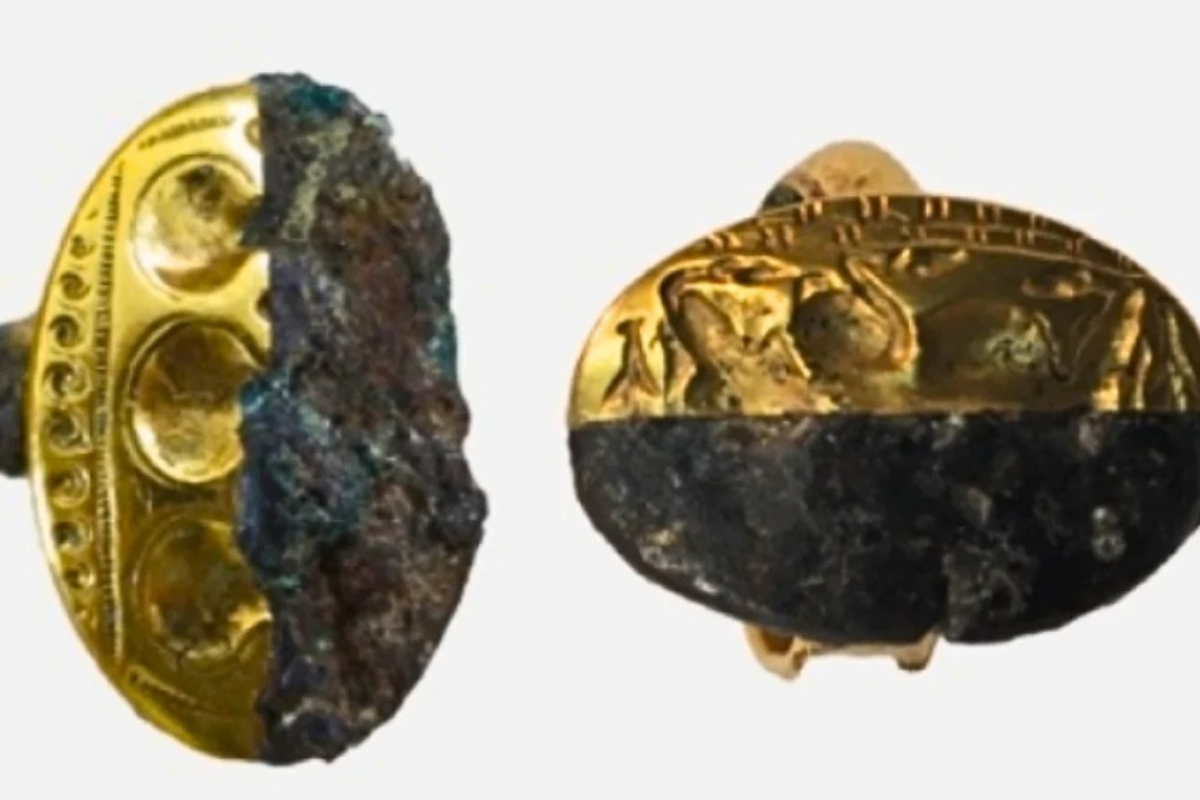
An archaeological discovery has revealed a fascinating fact about elite jewellery in the Mediterranean during the Bronze Age. A number of rings worn by the Minoan and Mycenaean elite in ancient Greece were likely made using iron derived from meteorites, not from iron ore mined on Earth. The finding emerged from research into dozens of ancient iron artefacts.
The study, published in the August 2026 edition of the Journal of Archaeological Science, analysed the composition of 91 iron artefacts from the Bronze Age and Early Iron Age. The artefacts came from 33 archaeological sites and are currently housed in 19 museums. Researchers used portable X-ray fluorescence (p-XRF) technology to determine the metal composition without damaging the historic objects.
Of the 91 artefacts examined, 13 were rings with a significant nickel content, a key indicator that the iron likely originated from a meteorite. The researchers concluded that nine rings were very likely and one was quite possibly made from meteorite iron, while three others required further study. The majority of the rings were found in tholos and chamber tombs alongside valuable objects such as gold vessels, amber jewellery, and stone seals. The rings typically combined nickel-rich iron with gold, silver, or bronze.
This archaeological context indicates that meteorite material was probably not just a material for jewellery, but also a symbol of power and social status for the Minoan and Mycenaean elite. During the Bronze Age, iron smelting technology was still limited, so nickel-rich meteorite iron held high value. The nickel content serves as a clue for scientists to distinguish between iron from meteorites and iron smelted from terrestrial ore. The research also showed that smelted iron was more commonly used for simple objects, whereas nickel-rich iron, suspected to be of meteoritic origin, was found on high-value items like rings.
Interestingly, the researchers suspect the meteorite material used to make the rings may have originated from Egypt. Meteorites are relatively rare in the Greek region, while the desert conditions in Egypt allow for more meteorites to be found. Trade networks that had developed across the Mediterranean during the Bronze Age enabled such material to move from one region to another. Thus, the rings worn by the Minoan and Mycenaean elite likely serve as evidence not only of metallurgical technology but also of interregional trade and material exchange over 3,000 years ago. The use of meteorite iron as a status symbol began to decline when the Minoan and Mycenaean palatial systems collapsed, as smelted iron became more widely used. This change was possibly influenced by economic, social, or political factors, though it may also simply reflect the end of the trend for wearing meteorite rings.