
Anambas Regency Extends Work-From-Home Learning Policy Due to Forest Fire Smoke
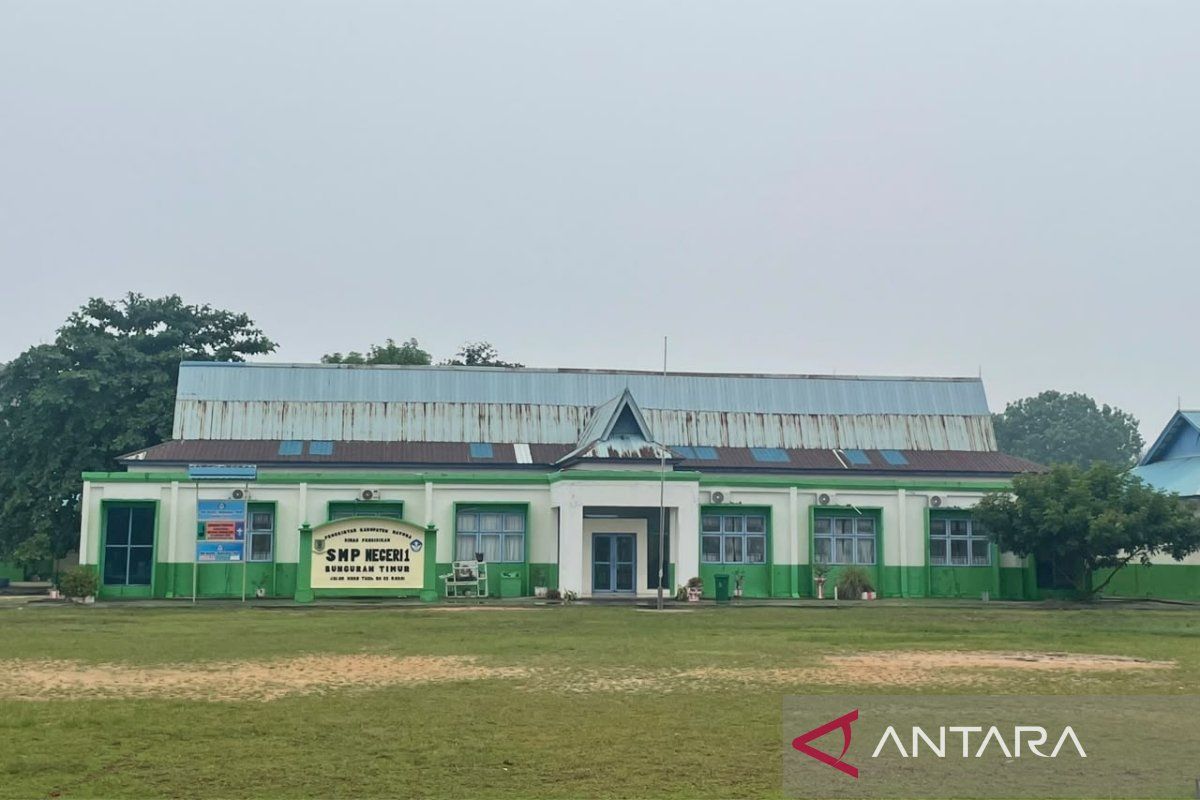
The Anambas Islands Regency Government, Riau Islands Province, has extended the ‘Learning from Home’ (BDR) policy for students at the PAUD (early childhood), primary, and junior high school levels as an anticipatory measure against the health impacts of haze from forest and land fires (karhutla).
Toni Karnain, Head of the Department of Education, Youth, and Sports (Disdikpora) of Anambas Regency, confirmed from Batam on Monday that the policy was implemented after considering air quality conditions, which have remained in the unhealthy category over recent days.
“For the time being, the learning from home policy for PAUD, primary, and junior high school educational units in Anambas Islands Regency will continue on Monday and Tuesday, 21-22 September 2026,” he stated.
According to him, the decision also took into account reports received from various regions through coordination with regional education coordinators, school supervisors, and heads of educational units.
Toni emphasised that ‘Learning from Home’ does not mean that educational activities have ceased or that students are on holiday. The learning process continues from home, with methods adjusted to the conditions of the educational units, teachers, students, and available access.
His department will continue to conduct evaluations alongside all heads of educational units, regional education coordinators, and school supervisors to discuss the current conditions in each area.
“If conditions become favourable and safe, we certainly want face-to-face learning to resume. However, if there are still certain areas or groups of students where conditions are not yet suitable, adjustments will remain in place,” he said.
Furthermore, he noted that implementing ‘Learning from Home’ presents several challenges, such as limited internet connectivity in certain areas, device ownership, the ability of parents to provide supervision, and the differing characteristics of students.
For students with internet access, learning will be conducted online. Meanwhile, for those facing limitations in network or devices, schools may use methods such as assigning tasks or learning activity sheets to be completed at home, communicating through available media, or other methods appropriate to local conditions.
Specifically for PAUD and primary school levels, learning from home is requested to be conducted using a simple, enjoyable approach that does not burden parents. “What we are maintaining is not the volume of assignments, but the continuity of the child’s learning process,” Toni concluded.