
Analysts Weigh In on Prabowo's 'Traitorous Leader' Accusation
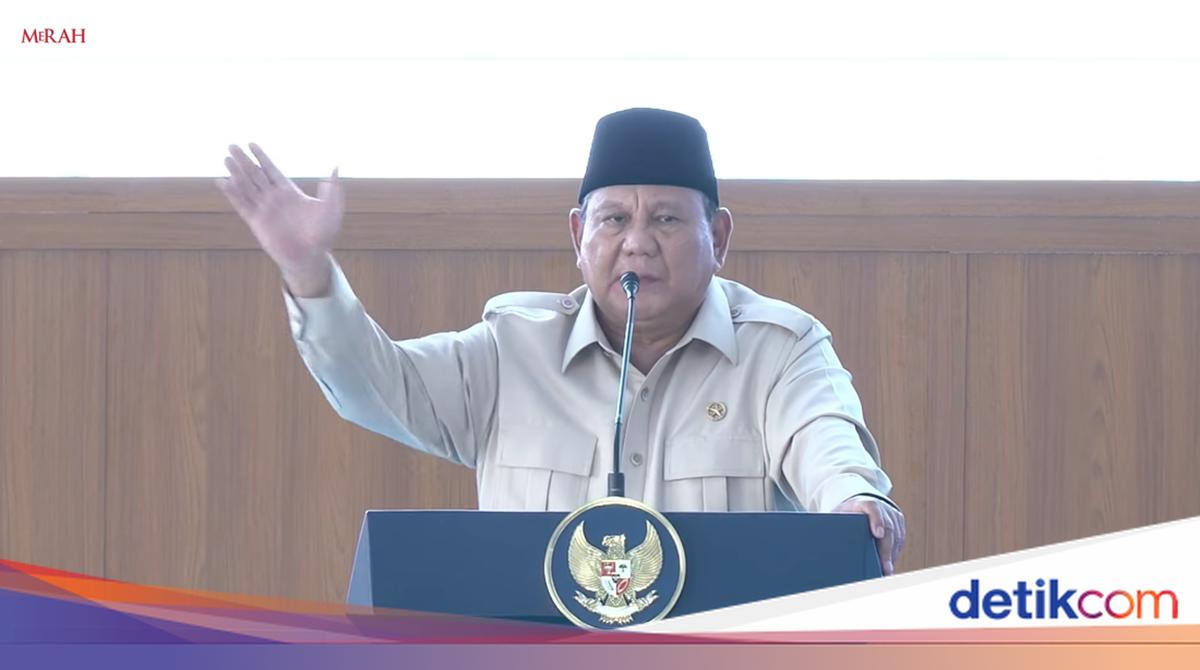
President Prabowo Subianto recently alluded to a ‘traitorous leader’ who, after losing, attempts to ‘burn’ the Republic of Indonesia. He made the remarks during the peak of National Cooperatives Day at Indonesia Arena, GBK, Jakarta, on Sunday, 12 July, without explicitly naming the individual.
In his speech, Prabowo emphasised that differing political parties were not a problem, noting that every few years they compete fairly. However, he stressed that the losing side should not advocate for burning the country, calling any leader who does so a traitor.
Political communication expert from Gadjah Mada University (UGM), Professor Nyarwi Ahmad, admitted it was difficult to guess who Prabowo was referring to. He analysed the possibility from the cluster of former presidential and vice-presidential candidates who opposed Prabowo, but deemed it unlikely as they lack the resources and influence for such actions. Nyarwi noted that figures like Ganjar Pranowo and Anies Baswedan have faded from prominence recently, and he has not observed any provocative statements from them. He also pointed out that one former vice-presidential candidate, Muhaimin Iskandar, has joined the current government.
Nyarwi also doubted the target was a political party chairperson, as approximately 84% of political parties are currently within Prabowo’s governing coalition. He assessed that the Indonesian Democratic Party of Struggle (PDI-P), which remains outside the coalition, is too mature in its democratic practices to incite violence or chaos. Instead, Nyarwi speculated the target might be an oligarch who feels pressured or uncomfortable with Prabowo’s governing style, though he conceded this remains abstract and suggested the president’s statement was more of a populist nationalist rhetoric.
Similarly, political analyst Hendri Satrio (Hensat) argued the target was not PDI-P, citing the close personal friendship between Prabowo and PDI-P Chairperson Megawati Soekarnoputri. He noted their bond is personal rather than based on power relations. Hensat suggested that if the accused leader is indeed someone in opposition to Prabowo, the matter becomes a political issue. He concluded that the information about a leader advocating arson should be left to state security, while also observing that the political temperature in Indonesia is currently heating up.