
Analysts: US-Iran Deal a Strategic Catastrophe for Israel
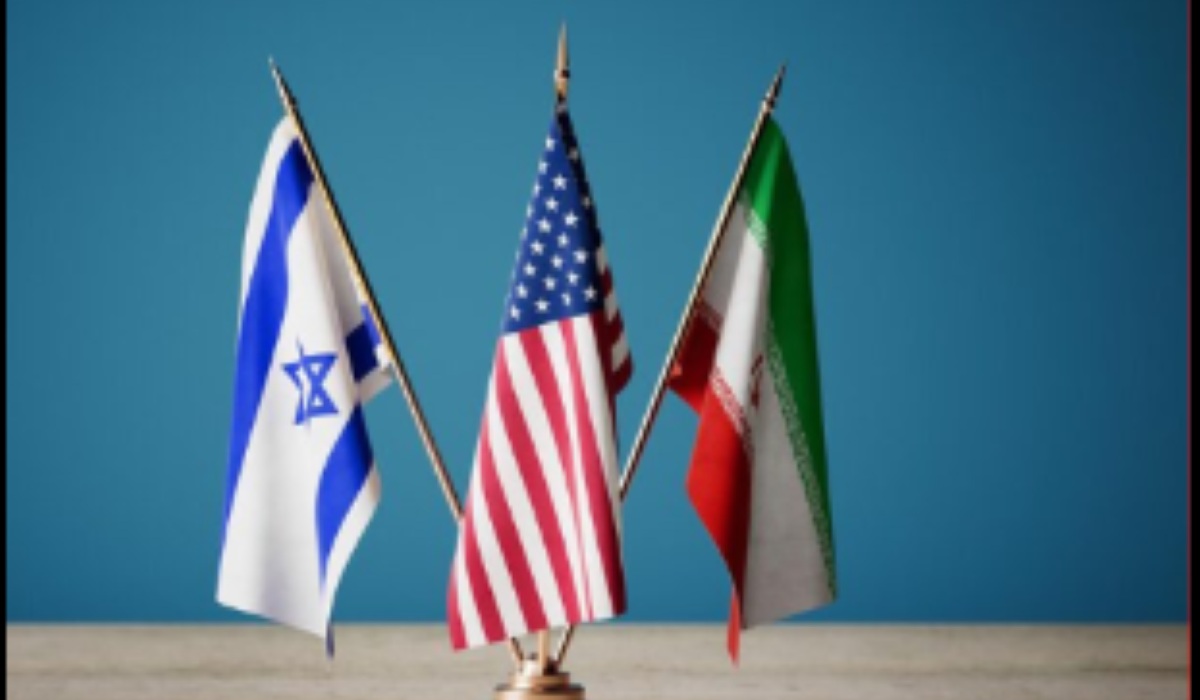
The agreement between the United States (US) and Iran to end the war in the Middle East is being viewed as a significant strategic setback for Israel. Israeli analysts say the deal underscores Tel Aviv’s fading influence in Washington.
Although the agreement announced by Pakistan on Monday morning (15/6) is not yet fully complete and is expected to be finalised within the next 60 days, the initial framework of the accord has sparked deep concern in Israel. Analysts argue that the deal effectively locks in gains for Iran while postponing the issue most sensitive to Israel: security guarantees.
Former intelligence officer Danny Citrinowicz stated that the US-Iran deal is nothing short of a political and security catastrophe for the State of Israel. It also represents a severe blow to Prime Minister Benjamin Netanyahu, who had previously hoped to win the upcoming October elections as the victor in the campaign against Hamas, Hezbollah, and Tehran.
“We have known for a long time that this would be a deal that considers most of Iran’s interests,” said Sima Shine, an analyst at Israel’s Institute for National Security Studies (INSS). “The issues important to Israel, such as the nuclear matter, are left for a future we do not know,” added Shine, who is also a former intelligence officer.
The US and Israel previously launched a joint campaign against Iran on 28 February. Netanyahu’s hope was to topple the Islamic Republic and dismantle its nuclear and ballistic missile programmes, which are considered an existential threat.
However, Citrinowicz assessed that the outcome of this conflict makes it less likely that a future US president will risk new military action against Iran. This allows Tehran to emerge stronger after more than three months of conflict.
“In the end, Iran becomes stronger and Israel has no ability to influence the decisions of the US President,” Citrinowicz stressed.
Netanyahu has yet to give an official public response, but his coalition ally, National Security Minister Itamar Ben Gvir, has rejected the deal, stating that Israel is not bound by the agreement.
Michael Horowitz, an independent security analyst, noted that the surprise was not Israel’s absence from the negotiations, but rather how Trump appeared to disregard Israel’s concerns. “Trump didn’t just ignore Israel, he effectively decided for Israel without consulting or even giving a warning. We see who is in control here,” Horowitz said.
Michael Milshtein, an Israeli military affairs expert, added that the deal leaves Israel in a weaker position than before the war on all fronts. “Netanyahu brought us to a point with very weak bargaining power,” he concluded.