
Analysts assess that Teddy is beginning to grow into a nationally popular figure
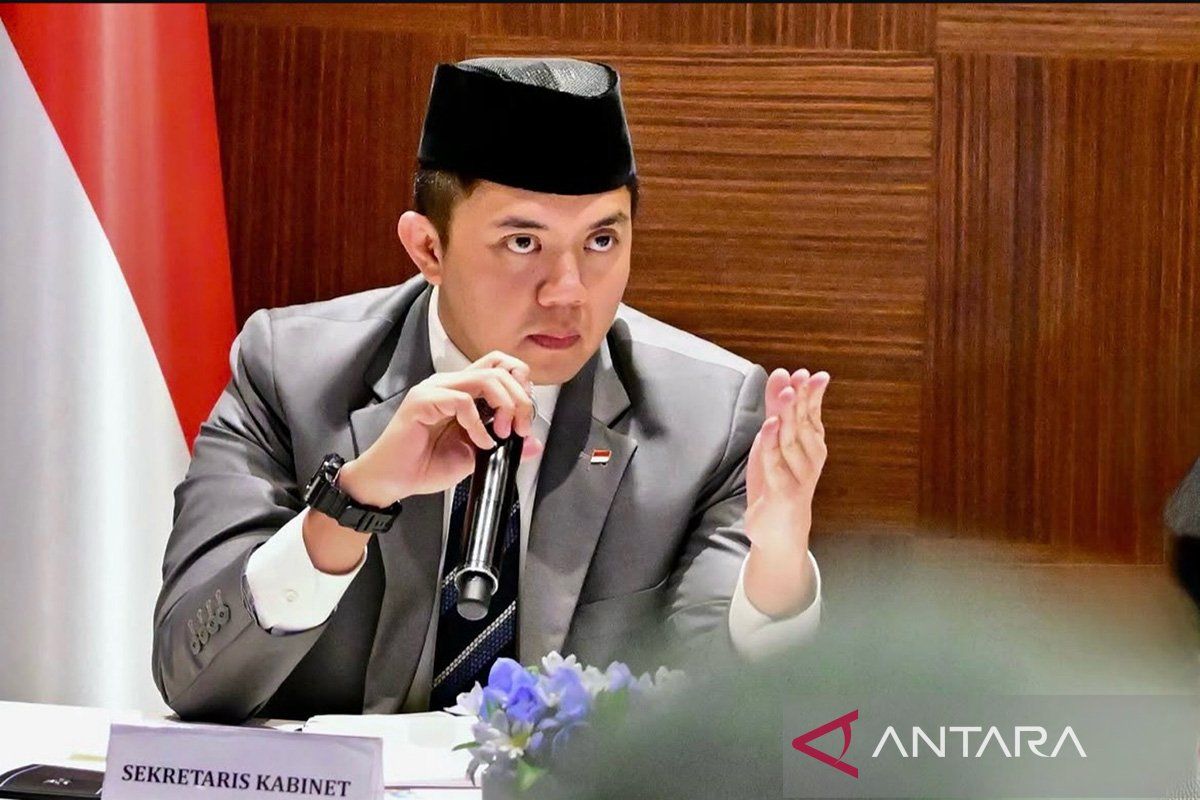
Jakarta (ANTARA) - Political communication analyst Hendri Satrio (Hensa) assesses that Cabinet Secretary (Seskab) Teddy Indra Wijaya is no longer merely known as a close associate of President Prabowo Subianto, but is beginning to emerge as a public figure with national appeal. In a statement in Jakarta on Sunday, Hensa noted that Teddy’s popularity is increasingly evident to the public, even reaching Indonesia’s outermost regions. This was apparent when Teddy accompanied President Prabowo on a visit to Pulau Miangas, Talaud Regency, North Sulawesi, where his name was met with enthusiastic cheers from residents. “From the visit to Indonesia’s outermost island alone, Teddy Indra Wijaya is now starting to be recognised by the public not just as Mr Prabowo’s close aide; he is growing into one of the nationally popular figures,” Hensa stated. He explained that the public’s recognition of Teddy does not always relate to an understanding of his official duties, but rather to the consistency of his appearances at various important moments. According to him, in a political context, Teddy’s situation holds its own strategic value for the future. “People might not remember what his duties are, but they know who he is, they know he often appears at heavy, symbolic, emotional moments. In politics, that has great value, because sometimes the most influential figures are not the ones who talk the most, but those who are consistently present,” he said. “Teddy also seems to understand the rhythm of when to go directly to the field, when to stand quietly and listen, when to appear simple, yet still become one of the centres of public attention,” he added. Hensa stated that a figure’s closeness to society is often formed from the impression of direct presence in the field, not from long speeches. “It should be remembered that the Indonesian public easily connects with figures who appear to share the hardship, come to remote areas, walk without excessive protocol, meet residents without much gimmickry; in this social media era, this is effective because visuals often carry more weight than lengthy explanations,” Hensa remarked. Nevertheless, he warned that increasing fame is a sensitive phase. He assessed that consistent exposure can raise public questions about a person’s future role. “When someone does not yet have any political agenda but is already very recognisable, people will start wondering on their own, ‘What is this person actually being prepared for?’ And such questions usually arise not because of excessive image-building, but because of consistent exposure,” he said. Hensa also reminded that this momentum should be maintained naturally without appearing overly contrived in building an image. “If the momentum is kept natural, this kind of popularity usually becomes even stronger,” he concluded.