
Analyst: West Kalimantan has opportunity to become international logistics hub
West Kalimantan is considered to have significant potential to grow into a connectivity centre and international logistics hub based on land, sea, and air transportation, supported by its geostrategic location along regional and international trade routes.
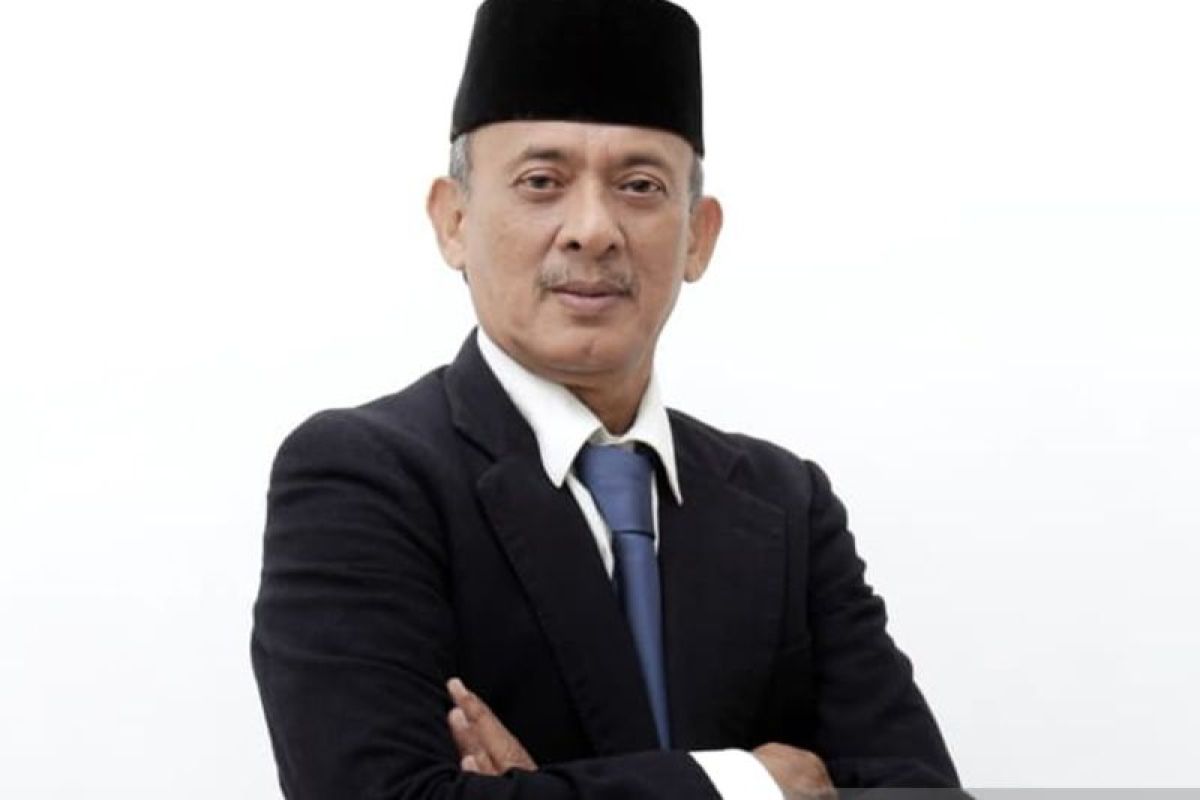
“West Kalimantan has a very strategic position, both in terms of land, sea, and air routes. This presents a great opportunity for West Kalimantan to become a centre for international distribution and trade,” said West Kalimantan intermodal transportation analyst Syarif Usmulyani Alqadrie AH.PNB SE.SSIT, in Pontianak on Saturday.
He stated that West Kalimantan’s potential as a global player is increasingly open amid rapid changes in the world’s political and economic constellation.
According to him, to face global competition, policy breakthroughs and accelerated development of integrated intermodal transportation infrastructure are needed.
“If distribution routes are used for container transport, then the road quality must meet class one road standards so as not to deteriorate quickly due to high logistics loads,” he explained.
Syarif added that the current condition of road infrastructure in West Kalimantan remains the main challenge that could hinder the development of the region’s economic potential.
Therefore, he urged the central and regional governments, along with the legislature, to advocate for the construction and strengthening of transportation infrastructure along with adequate budget support.
The port is considered to have potential as a national and international distribution centre because it can serve large ships with capacities of tens of thousands of tonnes.
“Kijing Port could become a national logistics hub for Kalimantan and even a gateway for exports to countries like China, Taiwan, South Korea, and Japan,” said Syarif Usmulyani.
He assessed that the relocation of the capital to East Kalimantan could also serve as momentum for West Kalimantan to strengthen its position as a bridge for international trade and a new economic growth centre in the western region of Kalimantan Island.
“We must have processing industries so that products sent out of the region or abroad are already in the form of finished goods in line with the national downstreaming policy direction,” he stated.
In addition to the sea and land sectors, he also highlighted the potential of West Kalimantan’s airspace, which is considered strategic because it lies on international flight paths.
According to him, the presence of Supadio International Airport as an airport of entry can increase regional foreign exchange earnings through trade, taxes, and direct foreign investment.
He also encouraged strengthened synergy between the central and regional governments in accelerating the development of strategic infrastructure, particularly road connectivity to and from Kijing Port.
In his view, West Kalimantan’s abundant natural resource potential must be matched with a safe, comfortable, and efficient distribution system to enhance the region’s competitiveness at the global level.