
Analyst: Wanam National Strategic Project must continue as it is unrelated to the Pesta Babi film
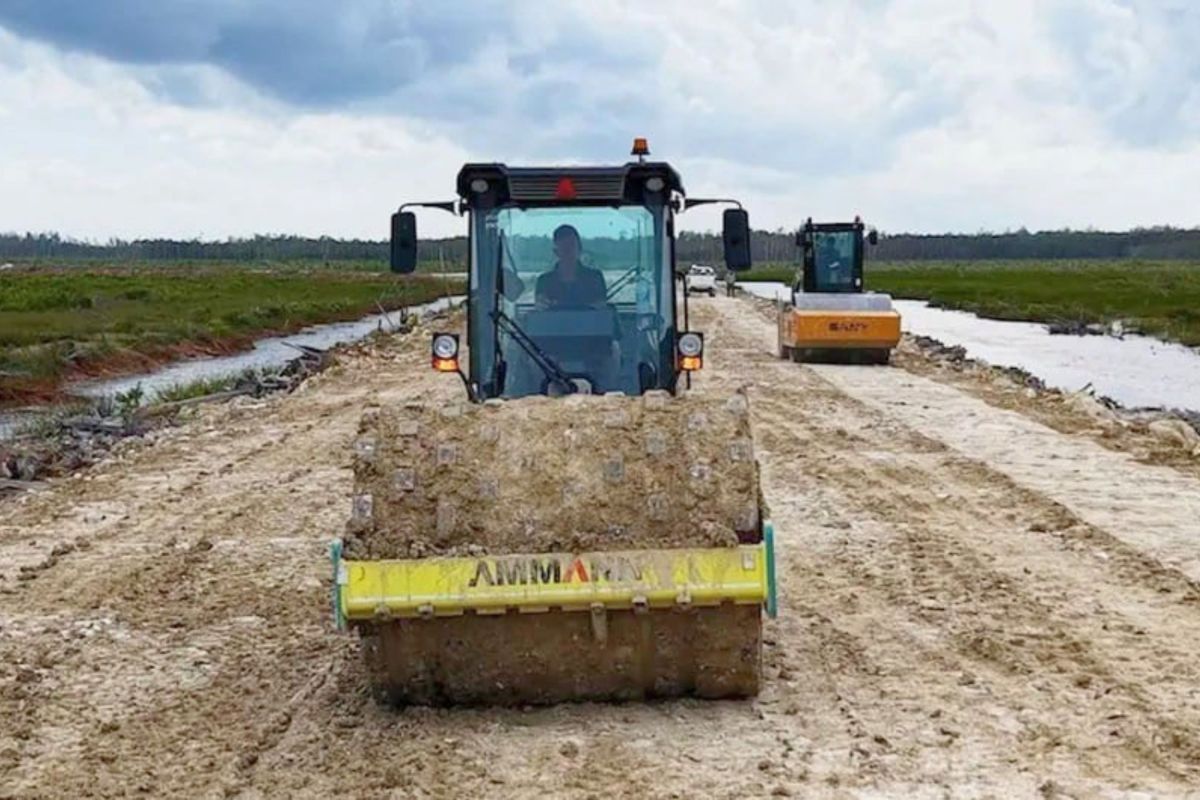
Jakarta (ANTARA) - Director of Indonesia Political Review (IPR) Iwan Setiawan assesses that the National Strategic Project (PSN) food estate in Wanam, Merauke, South Papua, must continue because it is in no way related to the film ‘Pesta Babi’ that has been widely circulating recently. Iwan Setiawan, in a statement received in Jakarta on Wednesday, said the continuation of the project is very important to realise the food security programme initiated by President Prabowo Subianto. ‘In my view, the Wanam PSN policy is quite visionary because in the future the global country will also focus on their own food issues. If the issue is that Indonesia is in a food deficit, that would be even more dangerous,’ he said. The film ‘Pesta Babi’ by Dandhy Laksono and Cypri Paju Dale depicts the struggles of indigenous communities in the South Papua region to defend their ancestral land and customary forests from threats by various large-scale projects that are named as development. Iwan said the forests and lands depicted in the film are not part of the PSN and are not located in Wanam, which is producing one million hectares of rice fields. He said the main benefits include achieving the rice self-sufficiency target, creating new rural jobs, increasing incomes of communities/farmers by 20-30 per cent, and converting idle land into productive areas. ‘As for the criticisms in the Pesta Babi film, that is the right of democracy to express opinions in film creativity. The wrong thing is if that is done with the intention of delegitimising and having a covert political agenda,’ he stated. Regarding the environment and forests, he argued the government must have studies and follow the applicable laws in implementing the project. He also emphasised that in the face of global pressure affecting Indonesia’s economy currently, all parties should build narratives of optimism rather than provoking. One of the Papuan residents, Tarsan Balagaize, said he is grateful for development that now reaches to their village and hamlet. According to him, the benefits of the project will be felt not only now but also for future generations. ‘We must be grateful; when else will we be able to receive this? Not only us who can enjoy it, but for our children and grandchildren,’ said Tarsan. He assessed that development programmes from the central government will open up opportunities for the local people’s lives to become better and more prosperous. Moreover, he said, local residents also expressed appreciation because development now reaches areas that were previously untouched by infrastructure. Wanam is projected to become the national food reserve hub through the programme to create new rice fields of one million hectares. PSN is not merely about opening farmland; it is about building a new life ecosystem that includes irrigation networks, a biodiesel industry, and strengthening national defence. The keystone of the entire ecosystem is connectivity.