
Analyst Urges Ojol Community to Channel Energy into Monitoring Tariff Regulation
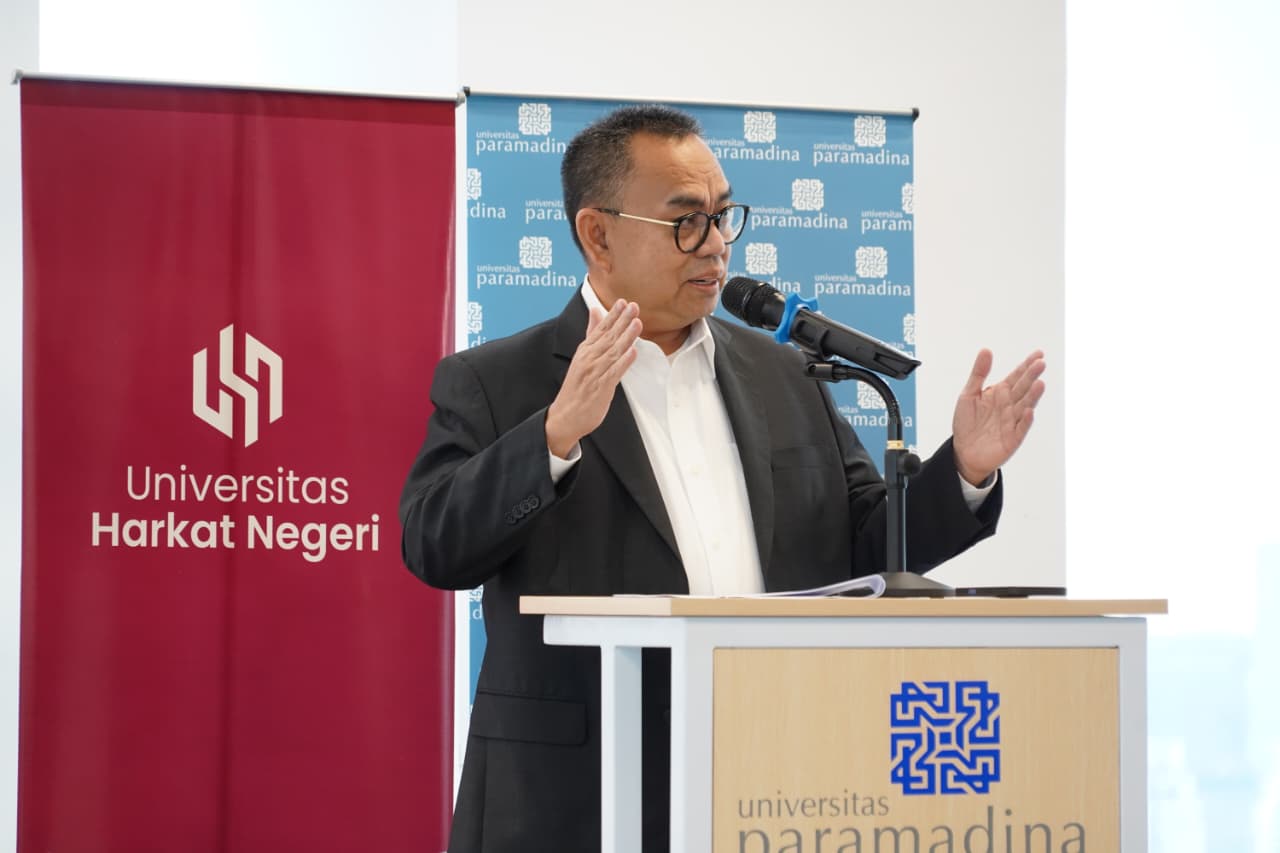
Public policy observer Yanuar Winarko says the show of solidarity by ride-hailing drivers backing the court case against former Education, Culture, Research and Technology Minister Nadiem Makarim was ill-timed and misdirected. He argued that the collective energy and solidarity of the ojol driver community would be more valuable if channelled toward backing strategic policies that directly affect their welfare, such as regulation of the share of service fee deductions (sharing fee) by apps, which is currently being intervened by the government.
‘It is very ironic when drivers who sweat on the streets daily rally sympathy for someone facing multi-trillion rupiah corruption charges. Yet, for years, the relationship between the corporation and the drivers has not truly reflected a healthy partnership,’ Winarko said when contacted on Saturday (23 May 2026).
Winarko added that drivers’ position within the partnership has long been precarious. All daily operating costs—from vehicle maintenance and fuel to internet quotas—are borne by the drivers themselves, with little real subsidies from the apps.
Complaints about high commissions have been a long‑standing issue. At the height of the dispute, the government under President Prabowo Subianto stepped in to regulate the level of service-fee deductions so as not to squeeze drivers’ incomes.
For Winarko, the presidential intervention is clear evidence of regulatory bottlenecks at the management level of apps that fail to present a fair and humane business model.
‘If corporations had cared about their partners from the start, there would be no need for presidential action to trim or cap deductions that are too large,’ he said.
He urged associations and the ojol driver community to sharpen their advocacy. Rather than being distracted by a personal legal case at the ministry, the energy of the community was viewed as more productive in pressing the DPR and government to draft a strong Partnership Act to protect the legal status of ojol workers.
Voices from the ground also echoed. Supriyadi, 43, an ojol driver in South Jakarta, said the courtroom drama felt distant from daily bread needs. He explained that the current field conditions are increasingly competitive with tighter bonus schemes, forcing drivers to work 12–14 hours a day to secure a decent net income.
What is needed, he said, is protection for livelihoods, not courtroom battles.
In related context, Presidential Regulation No. 27 of 2026 on the Protection of Online Transport Workers sets the framework for the maximum 8% share by apps to safeguard drivers’ welfare. The Digital Delivery Association and other stakeholders are calling on the government to review sharing arrangements to ensure the cap remains fair. Members of Parliament’s Commission V, including Abdul Hadi of PKS, view Presidential Regulation No. 27 of 2026 as a breakthrough.