
Analyst: Teddy’s activity documentation serves as a public work report
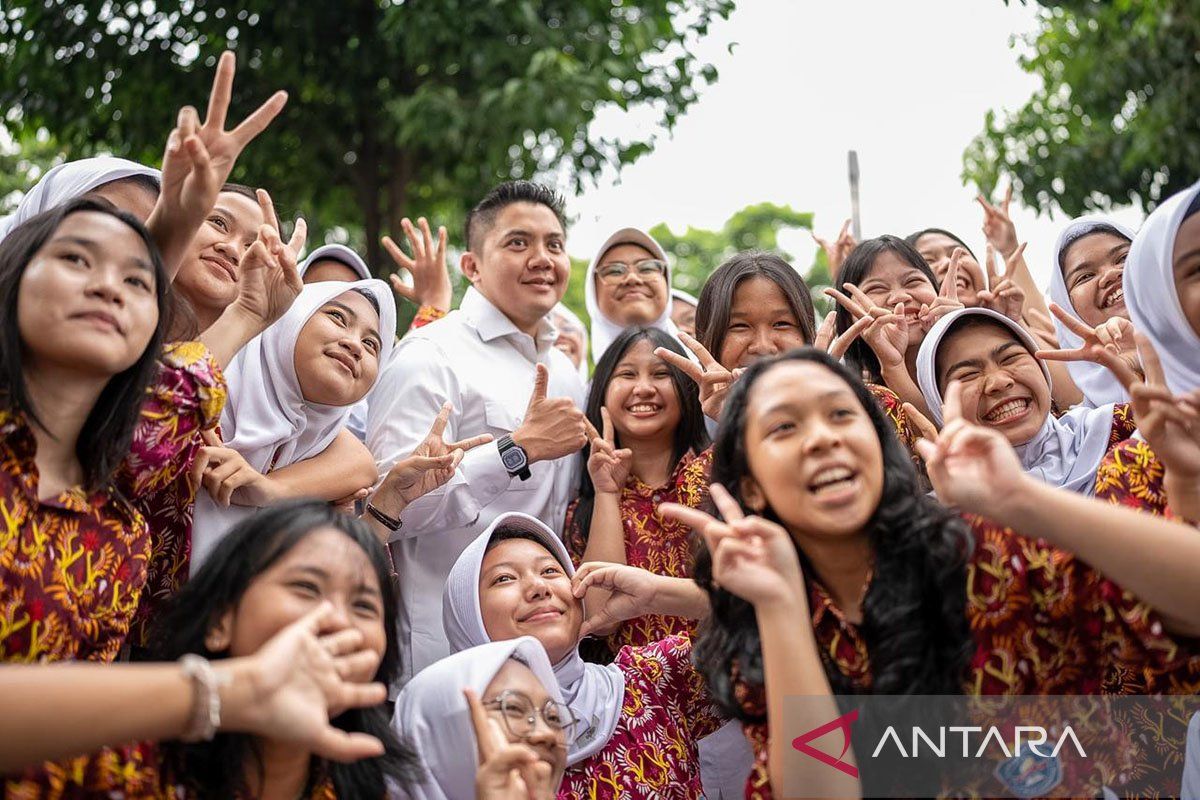
Political communications analyst Hendri Satrio stated that documenting the daily activities of public officials, such as those carried out by Cabinet Secretary Teddy Indra Wijaya, can be understood as a form of work report to the public.
“Simultaneously opening up processes that have rarely been visible to the public,” said Hensa, his nickname, in a statement on Sunday in Jakarta.
In a video posted on Instagram account @teddy_hq, Teddy was seen undertaking a series of activities from early morning, including official trips outside the city, attending ministerial meetings, and returning home around 2am.
Hensa said the activities shown actually illustrate that being a public official is not as simple as imagined and does not guarantee positive public perception.
“It’s not easy being a public official like Teddy. Working from morning, travelling outside the city, attending meetings until midnight, then returning home at dawn—yet people still gossip. This is a common reality. Hard work isn’t always seen as remarkable; sometimes it’s dismissed as ordinary or even suspected,” he said.
With such footage, he said, the public is no longer entirely speculative about whether officials are working, as the video details activities thoroughly.
“If activities are shown like that, the public gets a clearer picture. Whether they believe it or remain cynical is another matter, but at least there’s transparency rather than baseless speculation,” Hensa said.
However, Hensa noted it is understandable if some in the public view the footage as image-building.
He explained that such videos often showcase the work process, while the public tends to judge based on tangible results.
“What’s shown are processes, meetings, travel, and busy schedules. But the public usually waits for concrete outcomes. So it’s understandable if some call it image-building, because for them, work isn’t measured by how busy someone is, but by the tangible impact,” Hensa said.
However, Hensa sees such daily video approaches as a communication strategy others could adopt, especially officials who have received little public attention.
Such openness, he said, not only displays personal activities but also serves to introduce roles, responsibilities, and work programmes to the public.
“Let others follow if they wish, especially officials who have been unseen. The public will know who they are, what they do, and their programmes—but ultimately, it’s not about the content, but the tangible results,” Hensa said.
Hensa then touched on possible internal dynamics among state officials regarding the emergence of active, visible figures like Teddy.
He said a dynamic, open working style could unsettle other officials unaccustomed to such scrutiny.
“Some may feel uneasy as heightened activity and public engagement raise the bar. Others can’t afford to be complacent; if they appear idle, they might face criticism from superiors,” he said.
He added that this situation could indirectly push other officials to showcase their performance more to the public.
“So the unease isn’t just about the content, but due to comparison. When someone is active, open, and seen working, others must adapt. In this context, it’s remarkable—but must be backed by tangible results,” Hensa said.