
Analyst Suggests Free Nutritious Meal Programme Be Strengthened with Local Government Involvement
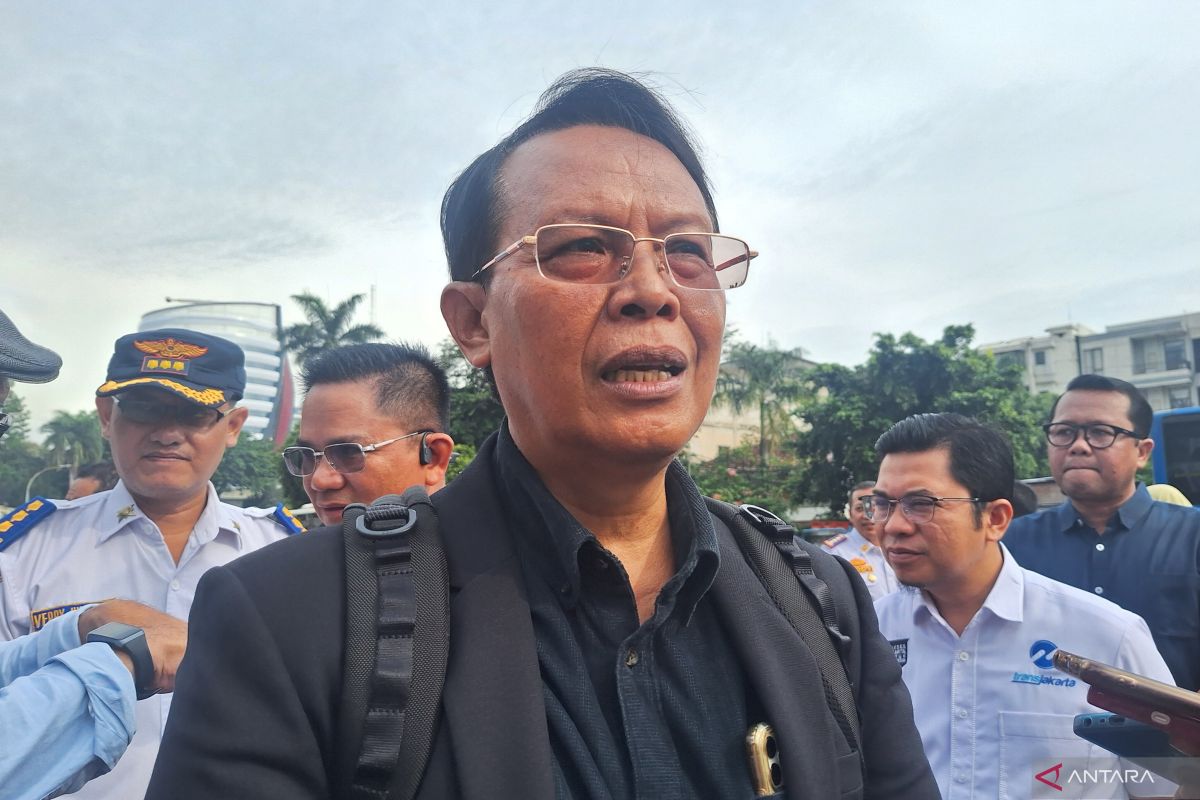
Jakarta (ANTARA) - Public policy observer Trubanc Rahardiansah has proposed that the National Nutrition Agency (BGN) strengthen the role of local governments in ensuring the sustainability of the Free Nutritious Meal (MBG) programme.
According to him, the participation of regional heads and Regional House of Representatives (DPRD) members is essential to enhance oversight and ensure that the programme’s economic benefits are truly felt by communities at the local level.
“Therefore, the evaluation that I believe is important is how the role of local governments has been so far,” Trubus stated in a briefing in Jakarta on Friday.
He assessed that the implementation of the MBG programme is currently too centralised within the BGN, meaning the scope for local government involvement has not yet been optimised.
“To be honest, the implementation of the MBG is far too centralised within the BGN in my view, so everything that is regional—for instance, the Nutrition Fulfilment Service Units (SPPG) are located in the regions—should involve regional heads. Regional heads include both the executive and the DPRD. They must participate in supervising this process,” he said.
He explained that oversight from local governments is necessary to ensure that the operation of the Nutrition Fulfilment Service Units (SPPG) is more accountable, including in ensuring the involvement of local businesses as part of the programme’s supply chain.
In this way, he added, regional heads can ensure that the raw materials used by the SPPG are sourced from MSMEs, cooperatives, and suppliers within the local area, so that the economic benefits of the MBG can be directly felt by the surrounding community.
“Thus, they (regional heads) can ensure the involvement of MSMEs, cooperatives, and suppliers. The raw materials should truly come from their own environment,” said Trubus.
He revealed that practices involving the procurement of raw materials from outside the region are still being found, which is seen to reduce opportunities for local businesses to enjoy the economic impact of the programme.
“It is not being sourced from elsewhere. So far, much has occurred where they take from outside. This is often a problem, leading to a lack of broad public participation, specifically in terms of auditing,” he noted.
Furthermore, Trubus emphasised the importance of auditing the operations of the SPPG as part of an effort to increase transparency in the implementation of the MBG. In his view, information transparency is a public demand that the government must address.
“I would say auditing the SPPG is very important, because the source of problems so far has been the demand for transparency. The public is demanding this to this day,” he said.
He cited as an example that information regarding the daily food menus should be accessible to the public as a form of accountability and a tool to maintain service quality.
“For instance, what is the schedule for today? What is the menu? This is very important because the menu serves as a metric for food presentation, quality, and so on, which must be maintained,” he added.
Trubus supports the sustainability of the MBG programme initiated by President Prabowo Subianto by strengthening the programme through the involvement of local governments.
Source: jawawa.id (https://jawawa.id/newsitem/analyst-suggests-free-nutritious-meal-programme-be-strengthened-with-local-government-involvement-1782464130)
Originally published by Antara (Indonesian) (https://www.antaranews.com/berita/5624113/pengamat-usul-program-mbg-diperkuat-dengan-pelibatan-pemerintah-daerah), translated from Indonesian