
Analyst: Success of Nickel Downstreaming Determined by Technology Transfer
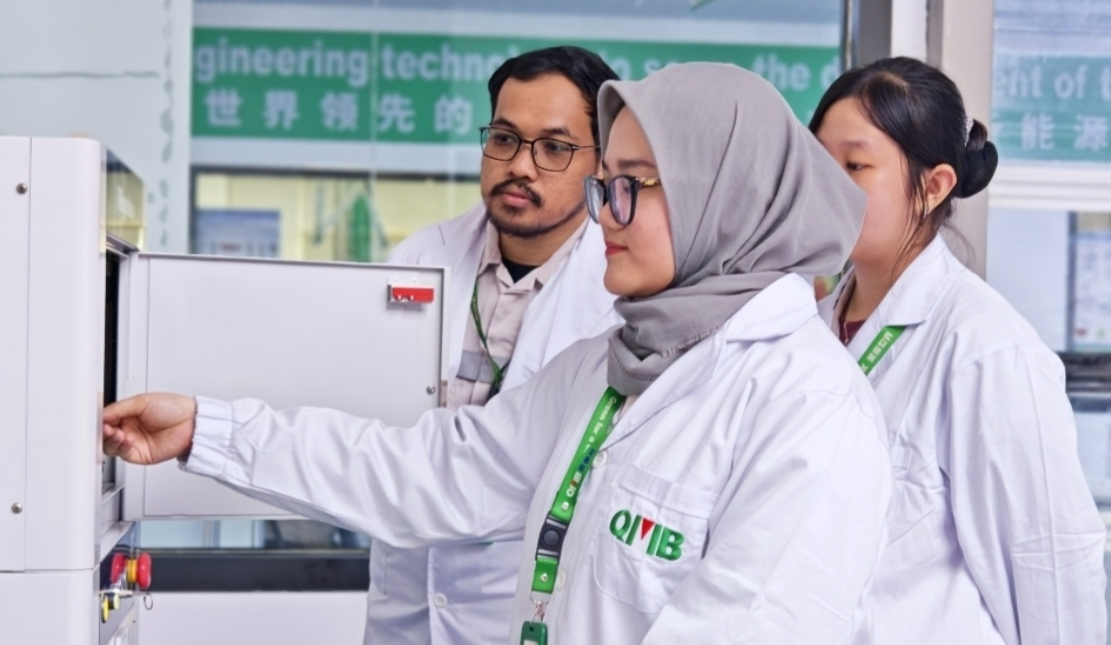
Referring to USGS 2026, Indonesia currently holds around 44% of the world’s nickel reserves and has become a major player in the global supply chain for electric vehicle batteries. Industry observers assess that the long-term success of downstreaming will be greatly determined by the extent to which technology transfer truly takes root domestically. “The importance of assimilating cutting-edge technology so that downstreaming can trigger national industrialisation with significant impact. Without this, economic value added is considered difficult to develop sustainably,” said UGM Energy Economist Fahmy Radhi in a press statement on Tuesday (31/3/2026). Over the past few years, the Morowali industrial area in Central Sulawesi has developed into one of the world’s epicentres for nickel downstreaming. This has created a significant need for local workers skilled in process technologies such as High Pressure Acid Leach (HPAL), materials engineering, and strategic metal processing. In recent years, the value of Indonesia’s exports of nickel downstreaming products has recorded a sharp increase, even multiplying several times compared to the period before the raw ore export ban. However, the next stage is to ensure that this value added is also reflected in the quality of the national workforce. One emerging effort is the technical talent development programme involving Indonesian students pursuing advanced education in metallurgy, mining, and new energy materials. A total of 266 Indonesian students have participated in the technical education programme resulting from collaboration between the Indonesian government, GEM Co., Ltd, and Central South University (CSU) in China. The programme focuses on strengthening expertise in nickel metallurgy, battery material engineering, mineral processing technology, and new energy industry supply chain management. In the long term, the programme targets producing 100 engineering doctorates, 1,000 engineering master’s degrees, and 10,000 technical experts as part of support for the national industrialisation agenda. Therefore, strengthening the capacity of local engineers is an important part so that Indonesia does not stop at being a raw material processing base, but can advance to a technology- and innovation-based industry. Several graduates of this education programme have now returned to Indonesia and hold strategic positions in the Morowali industrial area. One of them is Evan Wahyu Kristiyanto, a first-batch alumnus, who works as Deputy Manager of the industrial-scale HPAL department at PT QMB New Energy Materials. The stories of these graduates illustrate how downstreaming is entering a new chapter, not just building industrial infrastructure, but also forming national human resource capacity.