
Analyst sees geothermal as strategic option to maintain electricity reliability
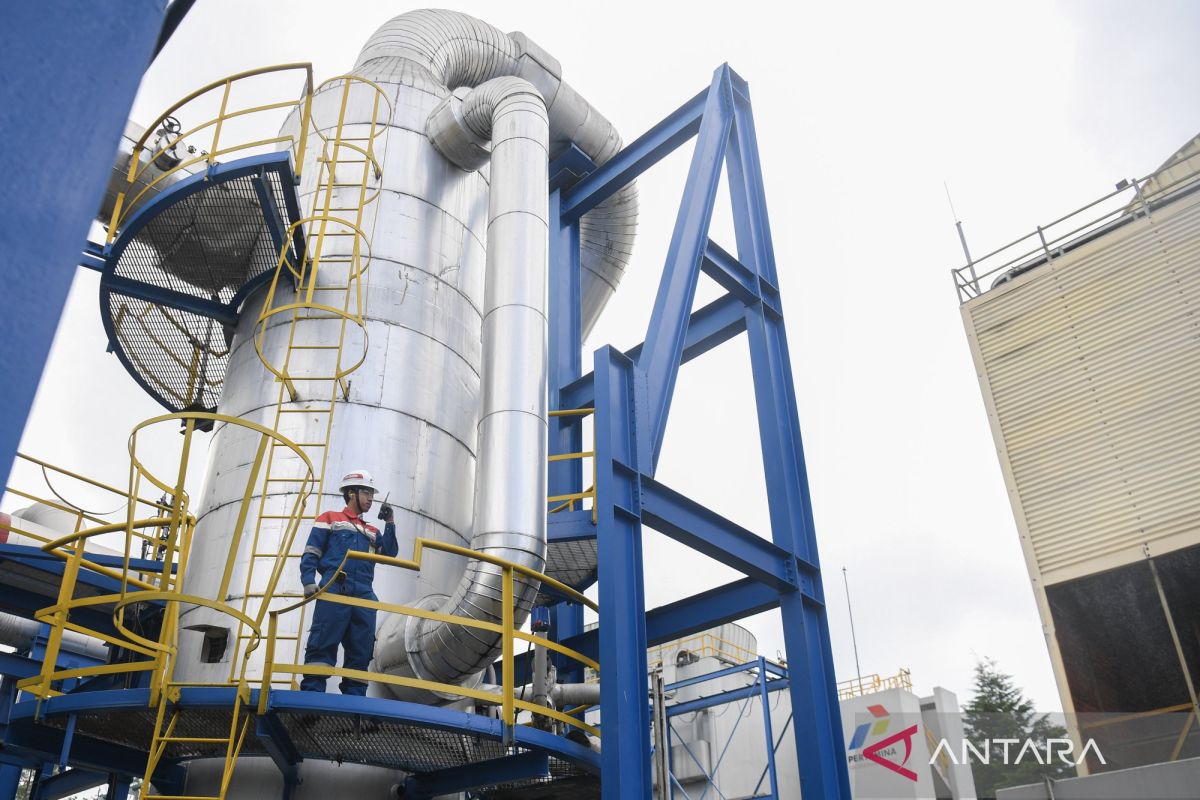
Energy observer Feiral Rizky Batubara believes that geothermal power plants (PLTP) are a strategic option for maintaining the reliability of the national electricity system, thereby reducing the risk of large-scale power outages or blackouts.
“In my view, geothermal energy can be one of the strategic options to strengthen national electricity system resilience, especially as part of blackout risk anticipation. Its character is stable, it can operate 24 hours a day, is not weather-dependent, and can serve as baseload in the electricity system,” Feiral stated in a briefing received in Jakarta on Wednesday.
According to Feiral, the ability of geothermal energy to operate stably for 24 hours makes it a potential energy source for strengthening the reliability of the national electricity supply amidst increasing energy demands.
“Anticipating blackouts must be viewed as a major agenda for system strengthening. Within that framework, geothermal energy can be one of the important pillars because its potential is spread across many regions of Indonesia,” he said.
He explained that Indonesia’s geothermal potential, which is distributed across various regions, provides a significant opportunity to strengthen national energy security.
However, geothermal development must go hand in hand with the strengthening of transmission and distribution networks, increasing power reserves, developing energy storage systems such as Battery Energy Storage Systems (BESS), providing backup power plants, digitising the electricity grid, and diversifying energy sources.
Indonesia itself possesses geothermal reserves of 24 gigawatts (GW), representing approximately 40 per cent of the world’s reserves, making it one of the largest local energy potentials available to the country.
With its stable, reliable, and abundant characteristics, geothermal energy is considered to play a crucial role in supporting efforts to achieve national energy security.
Nevertheless, the utilisation of this potential still needs to be increased. Out of the total reserves of approximately 24 GW, only about 2.7 GW, or 12 per cent, has been utilised. This means there is still significant room for development, including the pursuit of an additional capacity of about 2.5 GW over the next 10 years.
On the other hand, the target in the 2025–2034 Electricity Supply Business Plan (RUPTL) of reaching 5.2 GW is considered quite ambitious, yet remains aligned with the direction of the national energy transition.
The gradual development of geothermal capacity is necessary to strengthen the energy mix while maintaining the reliability of the electricity system.
Despite its great prospects, Feiral acknowledged that geothermal development still faces several challenges. These include the need for large initial investments, issues regarding economic tariffs, licensing processes, and the readiness of the electricity grid infrastructure.
Therefore, he believes stronger policy support is required, ranging from exploration risk-sharing schemes and the provision of long-term financing to the simplification of licensing and the synchronisation between power plant development and national electricity grid planning.
“When discussing blackout mitigation, geothermal energy should be placed as one of the options in the national electricity resilience portfolio. The key is not to choose just one technology, but to build an electricity system that is more resilient, distributed, flexible, and possesses adequate reserves,” he concluded.