
Analyst says Sultan's speech shows DPD has found its strategic role
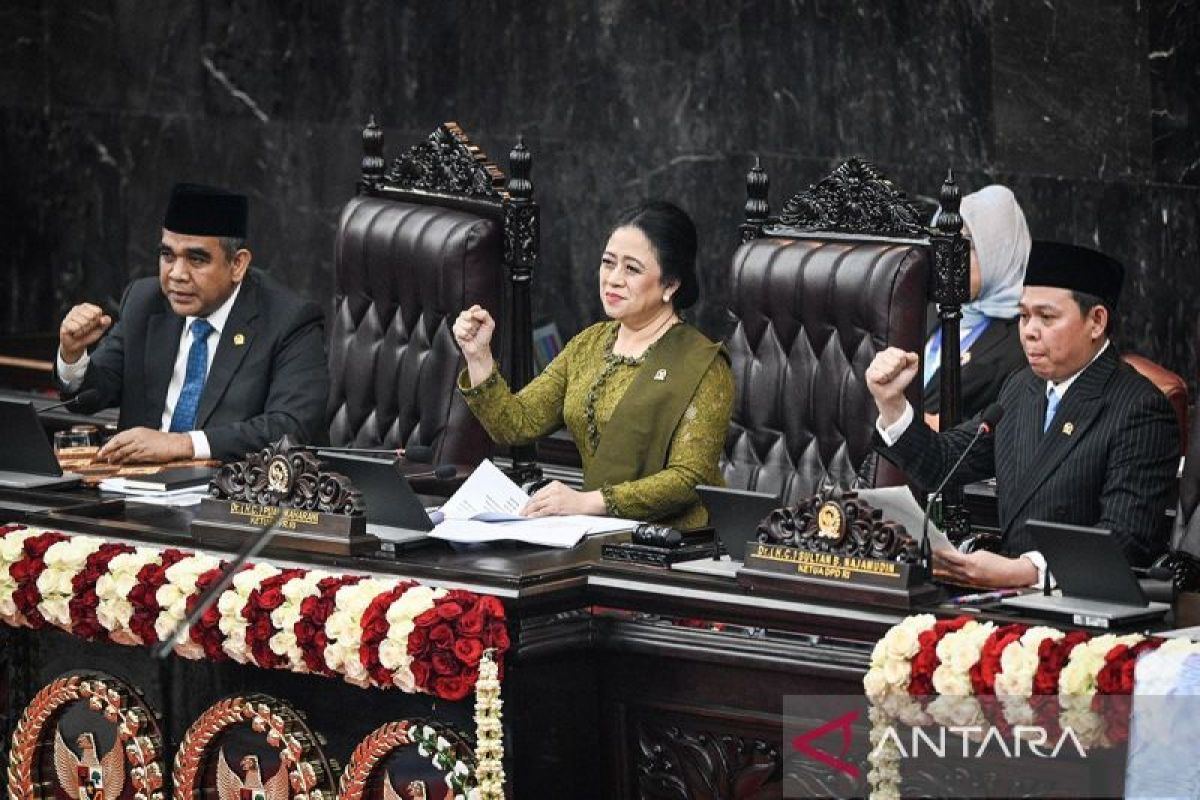
Jakarta (ANTARA) - Political analyst Lucius Karus has assessed that the speech by DPD Speaker Sultan Bachtiar Najamudin at the 2026 Joint Session of the DPR and DPD signals a new direction for the institutional role of the Regional Representative Council (DPD) as a representative of regional interests.
According to him, Sultan’s speech did not stop at conveying aspirations, but also demonstrated that regional interests are being pushed to become part of the national policy agenda.
“The DPD is beginning to find its strategic role. The DPD is not merely voicing regional interests, but is trying to bridge regional interests with the national development agenda,” said Lucius in his statement in Jakarta on Saturday.
The DPD Speaker, he added, used a constructive approach by not positioning the central government and regional governments as two opposing interests. The centre and the regions were affirmed as a single entity in building Indonesia.
“This is an approach that I consider positive. The DPD carries out its function of regional representation, but not by pitting regions against the centre. What is being built is synergy so that national policies truly reach and are felt by communities in the regions,” he said.
In addition, he also highlighted the DPD’s struggle regarding the Bill on Archipelagic Regions. After being championed since 2017, the bill has now entered the 2026 Priority National Legislation Programme.
According to him, the Archipelagic Regions Bill is an example of an aspiration that has been consistently fought for by the DPD until it finally gained support to be discussed together with the government and the DPR.
“When the government also gives a positive response, this shows that there is a political process that produces something for the regions,” he said.
For Lucius, this momentum is important because the Archipelagic Regions Bill does not only concern the interests of a number of regions, but also relates to the state’s role in managing development based on Indonesia’s character as an archipelagic nation.
“If this regulation is eventually enacted and provides appropriate affirmation for archipelagic regions, then it could become an important legacy. There we can see that the DPD’s struggle has a concrete impact,” he said.
He further assessed that Sultan’s speech demonstrated the DPD’s efforts to expand its regional representation function through legislative agendas, oversight, and monitoring of government policies in the regions.
In his speech, the DPD affirmed its commitment to ensuring that the national development agenda does not stop at the central level, but is implemented down to provinces, regencies, cities, sub-districts, villages, and the outermost regions.
The challenge ahead, said Lucius, is to ensure that these ideas do not stop at being political narratives. If regional aspirations can continue to be championed until they become policy, the DPD’s strategic role will become increasingly visible.
“The DPD will become stronger if it can demonstrate that regional representation is not only about speaking on behalf of regions, but also about producing policies that make development fairer and more in line with regional needs,” he said.