
Analyst says SRUK presence makes carbon accounting transparent
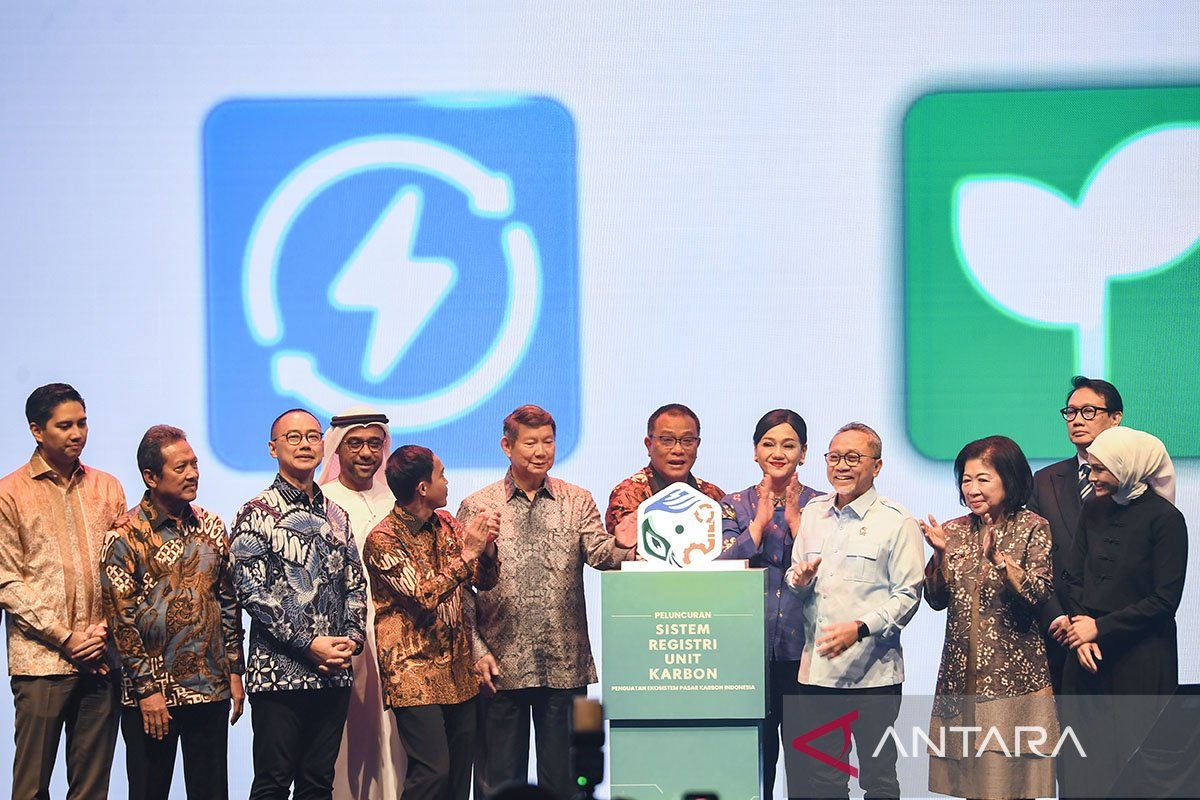
The Executive Director of The Reform Initiatives (TRI), Hadi Prayitno, assessed that the presence of the Carbon Unit Registry System (SRUK) is important to ensure transparent carbon unit accounting, avoid double claims, and connect carbon projects with the Indonesian carbon exchange. Hadi viewed the government’s policy of still providing flexibility for carbon project owners to use international or national registries as the right decision. “The Indonesian government’s policy choice in giving freedom to carbon project owners and developers to use international registry systems (such as VERRA, GOLD STANDARD, PLAN VIVO, etc.) or the national registry system (SRN-PPI) is a good choice,” said Hadi in his statement in Jakarta, Sunday. On the other hand, he emphasised that the success of carbon trading, particularly in the forestry sector, cannot be separated from the strategic role of the Ministry of Forestry. “This policy is an advancement compared to the previous approach which had drawn criticism from the international community,” he said. He stated that the policy is a welcome development because previously there was negative sentiment from the international world when the government insisted that all carbon projects must be registered through the national system, while Indonesia was considered not to have a sufficiently strong methodology. “The launch of the SRUK is actually to monitor the estimated carbon units when registered in the registry system, after verification, and when finally recognised/determined,” he said. He stressed that the forestry sector is the backbone of Indonesia’s carbon trading because it has the largest carbon credit potential compared to other sectors. Therefore, the role of the Ministry of Forestry is considered very decisive for the success of its implementation. “For carbon trading in the forestry sector, the role of the Ministry of Forestry is very significant. Because the carbon credit potential of the forestry sector as recorded in the NDC is the largest,” said Hadi. He explained that this potential comes from mineral forest areas, peat hydrological areas, and mangrove ecosystems located within forest areas.