
Analyst Says SOE Performance Under Danantara Shows Potential for Further Growth
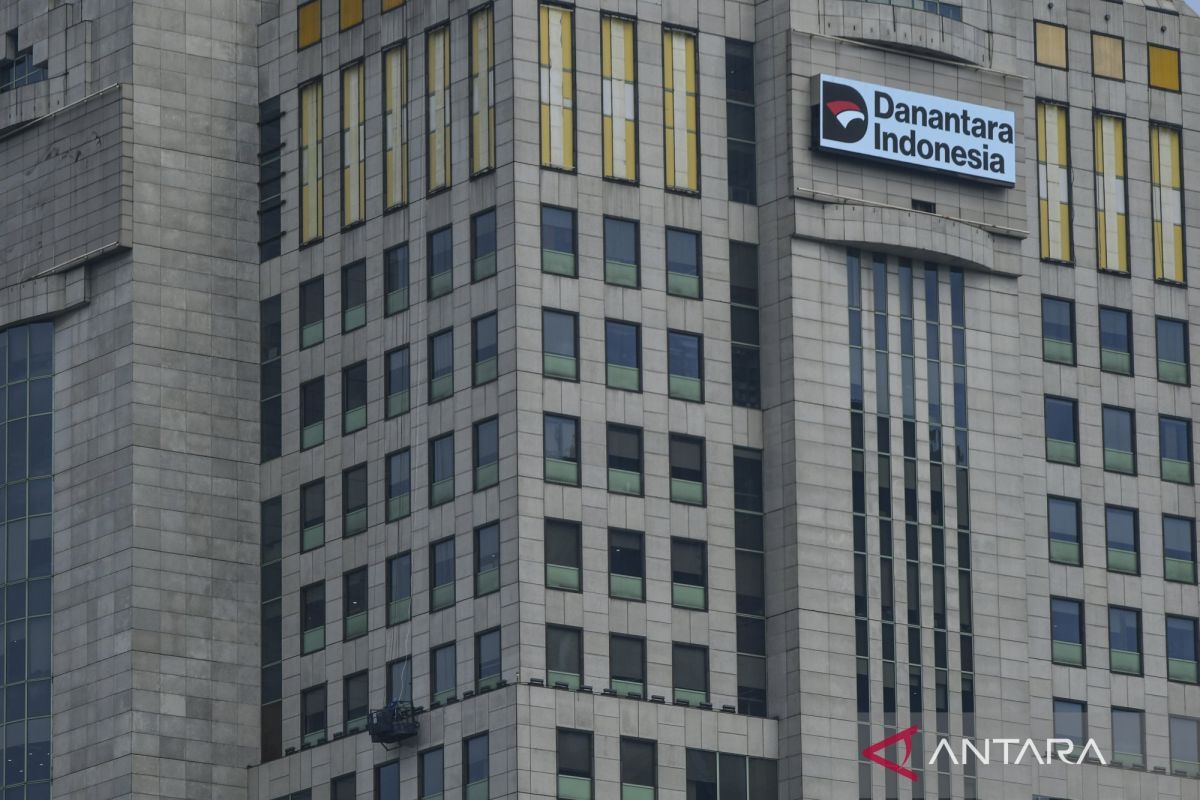
Toto Pranoto, Managing Partner of the BUMN Research Group at the University of Indonesia’s Faculty of Economics and Business, believes the solid performance of state-owned enterprises (SOEs) under the Danantara umbrella has the potential to improve further. He noted that the streamlining of SOEs is driving greater efficiency and effectiveness. “I hope the SOE streamlining process can be accelerated so that performance improvements can be implemented more quickly,” Toto said in a statement received in Jakarta on Wednesday. According to Toto, the positive performance of several SOEs during the first half of 2026 is one of the most highlighted achievements of President Prabowo Subianto’s administration. The consolidation and transformation programmes run by Danantara since its inception are beginning to show concrete results, reflected in a surge in net profits across almost all strategic SOE sectors. “I think the solid performance is still being demonstrated by the blue-chip SOEs, which have long been the main drivers of total SOE revenue and profit. For example, the performance of the state-owned banking association Himbara, the mineral and mining sector, the telecommunications sector, and Pertamina,” he said. Based on the first semester 2026 financial reports compared to the same period last year, PT Timah recorded the most dramatic profit growth among SOEs. The state-owned mining company posted a net profit of IDR 2.71 trillion, an 804.7 percent surge from the previous IDR 300 billion. This leap is a strong signal that the company, once doubted for its performance, has truly revived under Danantara’s transformation guidance. No less significant, PT Pupuk Indonesia recorded a stellar performance with a net profit of IDR 8.51 trillion, growing 253 percent compared to IDR 2.41 trillion in the first half of 2025. In the cement sector, PT Semen Indonesia posted a profit increase of 196.5 percent, from IDR 65.34 billion to IDR 193.46 billion, signalling positive momentum for the sustainability of the national construction and infrastructure sectors. Meanwhile, PT Agrinas Palma Nusantara grew by 150 percent with a profit reaching IDR 890 billion, confirming the success of consolidation in the strategic plantation sector now managed by SOEs. Solid growth was also seen in the financial services and logistics sectors. PT Pegadaian recorded an 84.6 percent profit increase to IDR 6.59 trillion, followed by PT Pelindo which grew 60.4 percent to IDR 2.57 trillion. PTPN IV PalmCo recorded a 54 percent increase to IDR 3.23 trillion, while Bank Tabungan Negara (BTN) grew 40.8 percent to IDR 2.40 trillion. Bank Mandiri, one of the country’s largest state-owned banks, also posted a 24.3 percent profit increase to IDR 30.41 trillion. This record shows that the transformation is being felt not only by small and medium-scale SOEs but also by giant, well-established financial institutions. PT Pertamina Geothermal Energy recorded a 15.5 percent profit increase to USD 79.61 million, strengthening Indonesia’s position in clean energy development. Equally important, several SOEs that previously suffered losses managed to turn things around this semester. PT Krakatau Steel, long considered a symbol of burden in the industrial and construction SOE sector, successfully swung from a loss of around IDR 1.74 trillion to a profit of approximately IDR 150 billion to IDR 185 billion. A similar turnaround occurred at PT Kimia Farma, which reversed a loss of IDR 135.61 billion into a profit of IDR 54.07 billion. These two turnarounds are considered symbolically important, given that both companies were often seen as representing the structural problems that have plagued SOEs for years. This series of achievements provides strong economic capital heading into the second year of President Prabowo’s administration. The government is seen to have concrete evidence that structural reforms of SOEs, from the consolidation of hundreds of entities under the Danantara umbrella to the enforcement of operational discipline and governance, are not mere discourse but policies that have produced measurable results.