
Analyst Says Gibran’s Resignation Would Not Disrupt Investment if This Condition Is Met
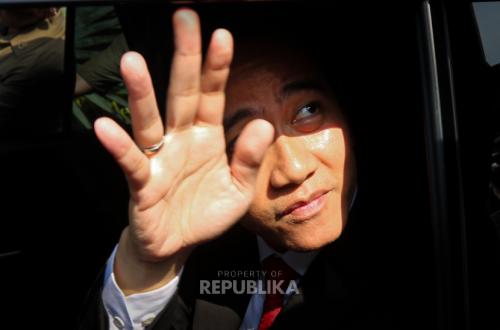
JAKARTA — Ronny P Sasmita, an analyst at the Indonesia Strategic and Economic Action Institution (ISEAI), believes Gibran Rakabuming Raka’s resignation as vice-president would not disrupt investment, provided the political transition is orderly, constitutional and consistent.
Ronny said an orderly transition in line with the constitution was important to maintaining investor confidence in Indonesia’s business and investment climate over the long term. Constitutional procedures, he said, were the main foundation for market stability.
“From an economic perspective, investors are concerned not only with who holds political office, but also with how stable and predictable the political process and subsequent government policies are,” Ronny said in Jakarta on Thursday (13 November 2026).
Ronny was speaking in response to questions about the impact of domestic political developments surrounding Vice-President Gibran Rakabuming Raka’s resignation on investor perceptions. He addressed business confidence in Indonesia’s economic stability during the transition.
He said a vice-president’s resignation would certainly be a significant political event that could heighten perceived risks among market participants, particularly if the process dragged on or led to conflict between institutions.
“However, I do not think we should immediately assume that these developments will shake the economy. The impact depends greatly on how the constitutional process is conducted and whether continuity of government is maintained,” Ronny said.
He added that investors needed assurance that the government’s economic agenda, regulations and strategic projects would continue without sudden changes in direction. Both foreign and domestic investors were looking for legal certainty, he said.
Nevertheless, he warned that the political developments could affect investment decisions, particularly among foreign investors. Regulatory certainty was a key consideration in making long-term business decisions.
“It could, particularly in the case of long-term investment decisions that require regulatory certainty,” Ronny said.
He said foreign investors typically considered political stability, policy consistency, legal certainty and the government’s ability to maintain coordination between institutions. These indicators were key benchmarks before committing capital.
“But the impact would not automatically take the form of cancelled investments or capital outflows,” he said.
Investors would distinguish between temporary political developments and institutional uncertainty that could change the rules of the economic game. This rational approach helped stabilise the domestic financial market.
“If the transition is orderly and economic policy remains consistent, the impact could be relatively limited. Conversely, if political developments turn into prolonged conflict, perceptions of country risk could rise and lead investors to delay decisions while they wait for clarity,” Ronny said.
With financial markets also facing pressure from external factors and capital-market sentiment, he said, the government needed to take greater care to preserve the credibility of its policy communications. This preventive step was important to curbing negative market speculation.
“Domestic political uncertainty must not add a risk premium that could otherwise be avoided,” he said.
Source: jawawa.id (https://jawawa.id/newsitem/analyst-says-gibrans-resignation-would-not-disrupt-investment-if-this-condition-is-met-1794527466)
Originally published by Republika (https://ekonomi.republika.co.id/berita/toew7n370/analis-sebut-mundurnya-gibran-tak-ganggu-investasi-jika-hal-ini-terpenuhi), translated from Indonesian