
Analyst says division of tasks between Waskita and Jasa Marga must be clear
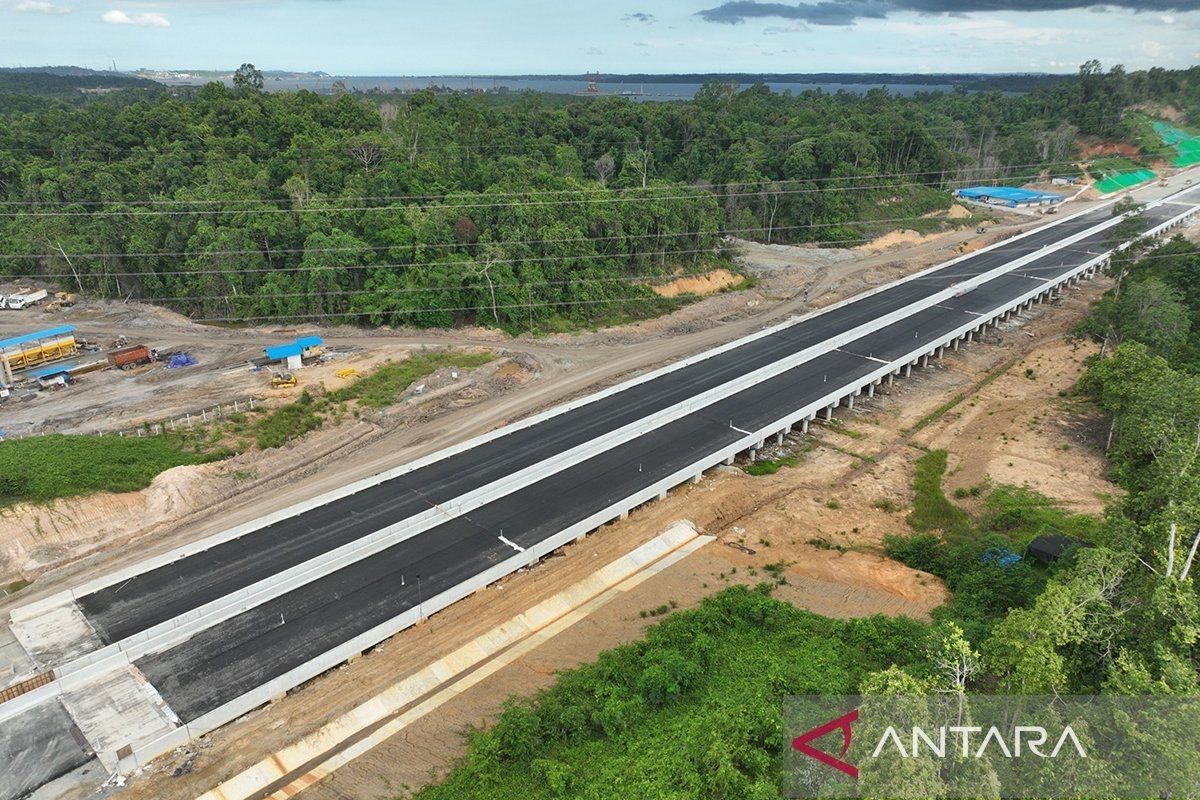
A state-owned enterprise (SOE) analyst and Director of the NEXT Indonesia Center, Herry Gunawan, has stated that the division of tasks between Waskita Karya and Jasa Marga in toll road management must be clear to prevent overlap. “In my view, the plan must consider the existing SOE business in the toll operator sector, such as that already carried out by Jasa Marga,” Herry said when contacted in Jakarta on Wednesday. He made the statement in relation to one of the restructuring directions for PT Waskita Karya (Persero) Tbk, which is to strengthen its focus on the toll road business. According to Herry, it is important for the Ministry of SOEs and the Indonesia Investment Authority (Danantara) to consider Jasa Marga’s existing role as a toll operator to prevent a clash in toll road management with Waskita. “Therefore, the division of roles must be clear, so that their expansions do not collide with each other,” Herry said. Regarding the restructuring of state-owned construction firms in general, Herry proposed that Danantara and the Ministry of SOEs consider using a regionalisation system, rather than the current centralised system where all entities are domiciled in Jakarta. He added that after consolidation, the presence of state-owned construction firms needs to be redistributed across various regions of Indonesia, similar to the business models implemented by Pelindo and Angkasa Pura. “The goal is to support equitable development while empowering local resources, including human resources. Not everything should be in Jakarta,” Herry said. The Head of the Ministry of SOEs and Chief Operating Officer of Danantara, Dony Oskaria, stated that one direction of PT Waskita Karya’s restructuring is to strengthen its focus on the toll road business. Dony explained that with its business characteristics providing long-term income, toll road management is considered to have strong prospects as a foundation for the company’s business. However, before entering the development phase, Waskita’s financial condition must be ensured to be healthy so that the company can independently meet its obligations, strengthen stakeholder trust, and open up opportunities to obtain funding, including through the capital market. He said Waskita is being directed not merely to extend the time for settling obligations or to postpone existing problems, but to build a healthier and more sustainable business foundation. Dony stated that the company’s recovery process must be structured based on realistic, measurable, and accountable calculations to produce a permanent solution that strengthens the company’s ability to meet its obligations while creating long-term value.