
Analyst Reveals Factors Behind Gibran’s Electability
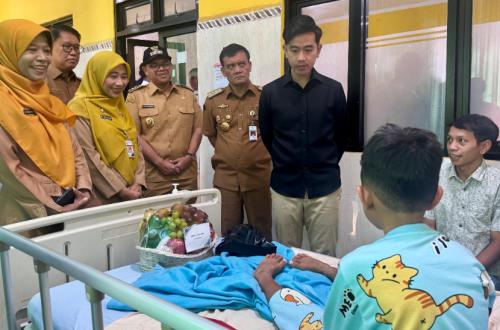
JAKARTA — Vice-President Gibran Rakabuming Raka ranked among the four figures with the highest electability as a presidential candidate in two national surveys published in October 2026. The result has attracted attention amid the criticism and political debate that have surrounded Gibran since the 2024 presidential election.
Political analyst Boni Hargens said the survey results were linked to Gibran’s style of political communication, which prioritises direct engagement with the public. He said visits to communities and dialogue with residents were factors to consider when assessing Gibran’s political standing.
Boni argued that criticism in the public sphere does not necessarily reflect public opinion as a whole. He also suggested that some negative narratives directed at Gibran were connected to the interests of political groups seeking to influence public perceptions of the vice-president.
In Boni’s view, Gibran tends not to make disputes among political elites the focus of his activities. The eldest son of Indonesia’s seventh president, Joko Widodo, was instead said to prioritise meeting the public, listening to residents’ concerns and observing regional problems first-hand.
Boni sees this communication style as a distinctive feature of Gibran’s political approach. Personal interactions, he said, can be an important asset in helping a public official maintain a close relationship with the public.
Boni also highlighted several of Gibran’s recent official visits. These included efforts relating to disaster response, the recovery of affected communities and public service issues requiring a government response.
On 4 September 2026, Gibran visited temporary housing for disaster-affected residents in South Tapanuli Regency, North Sumatra. He met residents, listened to the problems they faced and reviewed recovery needs and plans to provide permanent housing.
A similar visit took place in Solok Regency, West Sumatra, on 25 September 2026. The vice-president inspected areas affected by flash floods and met residents and victims’ families to learn what they needed after the disaster.
A few days later, on 28 September 2026, Gibran visited residents in Batang Regency, Central Java, who were suspected of suffering food poisoning after eating meals provided through the Free Nutritious Meals (MBG) programme. He met patients and their families, and gave attention to the treatment of those affected and the need to evaluate the programme’s implementation.
The visits formed part of Gibran’s duties as vice-president to monitor issues facing the public. Boni said such field activities also had a political communication dimension, as they created opportunities for direct meetings between state officials and residents.
According to Boni, support for a political figure is shaped by more than media coverage or the frequency of their appearances in the media. He said people’s direct experiences of interacting with an official could also influence their assessment of that figure.
Boni therefore considers Gibran’s approach to the public a potential source of political capital over the long term. He believes relationships with grassroots communities could help Gibran retain support despite continued public criticism.