
Analyst Reveals Benefits and Risks of Finance Ministry, BI and Danantara Becoming IDX Shareholders
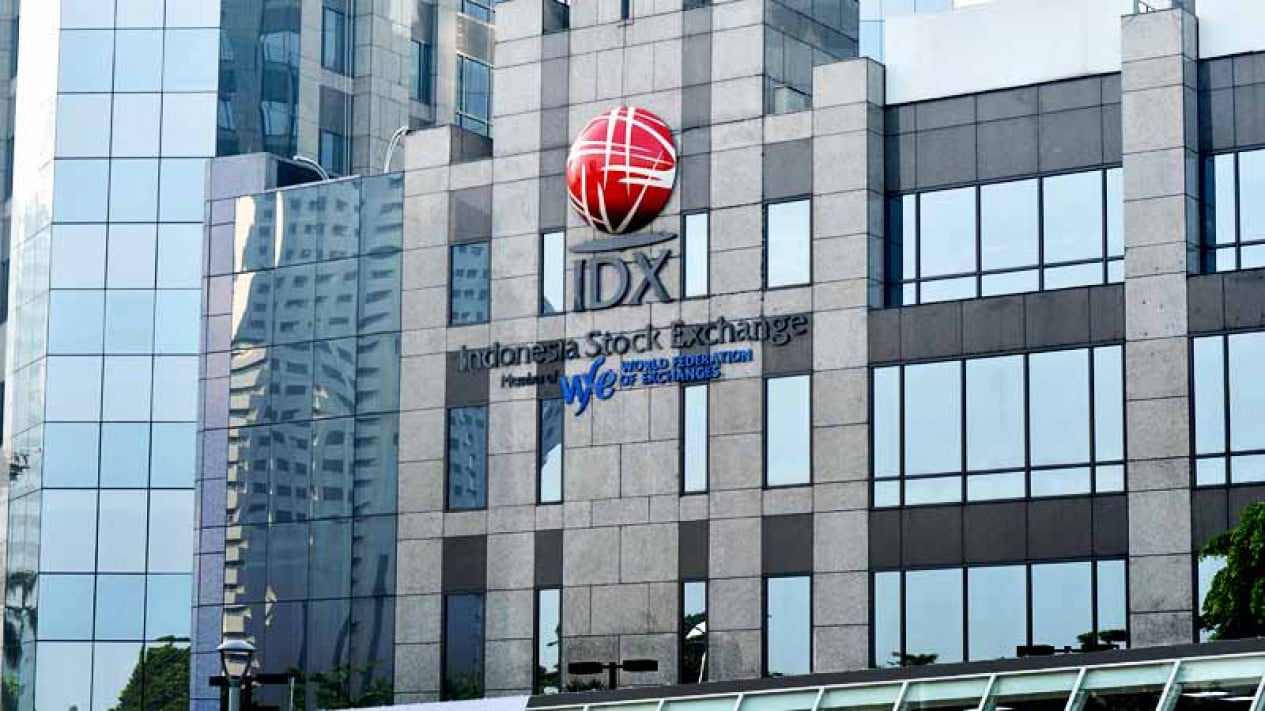
Jakarta – The revision of the Financial Sector Development and Strengthening Law (UU P2SK) permits the Ministry of Finance, Bank Indonesia (BI), and Danantara to become shareholders of PT Bursa Efek Indonesia (BEI). This has been highlighted as presenting both opportunities and risks for the national capital market. Capital market analyst and Founder of Republik Investor, Hendra Wardana, assessed that the entry of state institutions as shareholders of the IDX could potentially add capital, strengthen trading technology and infrastructure, while enhancing the exchange’s resilience and credibility in the face of economic turmoil. “In principle, I see the revision of the P2SK Law, which opens the opportunity for the Ministry of Finance, BI, and Danantara to become shareholders of the IDX, as an effort to strengthen the foundation of the national financial market,” Hendra said, as quoted by InvestorTrust on Tuesday, 23 June 2026. According to Hendra, deepening the capital market is an important factor in expanding long-term financing sources for the business world, reducing dependence on banking, and improving the economy’s ability to attract investment. Furthermore, the involvement of strategic state institutions is considered capable of signalling the government’s commitment to developing Indonesia’s capital market. “When strategic state institutions have an involvement in the ownership of the IDX, some market participants may interpret this as a form of long-term support for the sustainability and development of the national capital market,” he stated. Hendra further assessed that institutional support from state institutions has the potential to accelerate the deepening of Indonesia’s capital market, particularly in increasing the number of domestic investors, market capitalisation, and trading liquidity. However, he cautioned about the risk of conflicts of interest, as the IDX not only functions as a share trading venue but also carries out regulatory and supervisory functions as a Self-Regulatory Organization (SRO). On the other hand, the state already holds various roles, ranging from regulator through the OJK, monetary authority through BI, owner of issuers through state-owned enterprises, to potentially becoming a shareholder of the exchange. “This situation may raise questions regarding the clear boundaries between the party that regulates, the party being supervised, and the party that is a market participant. Although a conflict of interest does not automatically occur, the perception of such a possible conflict can affect the level of investor confidence,” Hendra explained.