
Analyst: Poultry Sector Profitability Improves with Free Nutritious Meal Programme
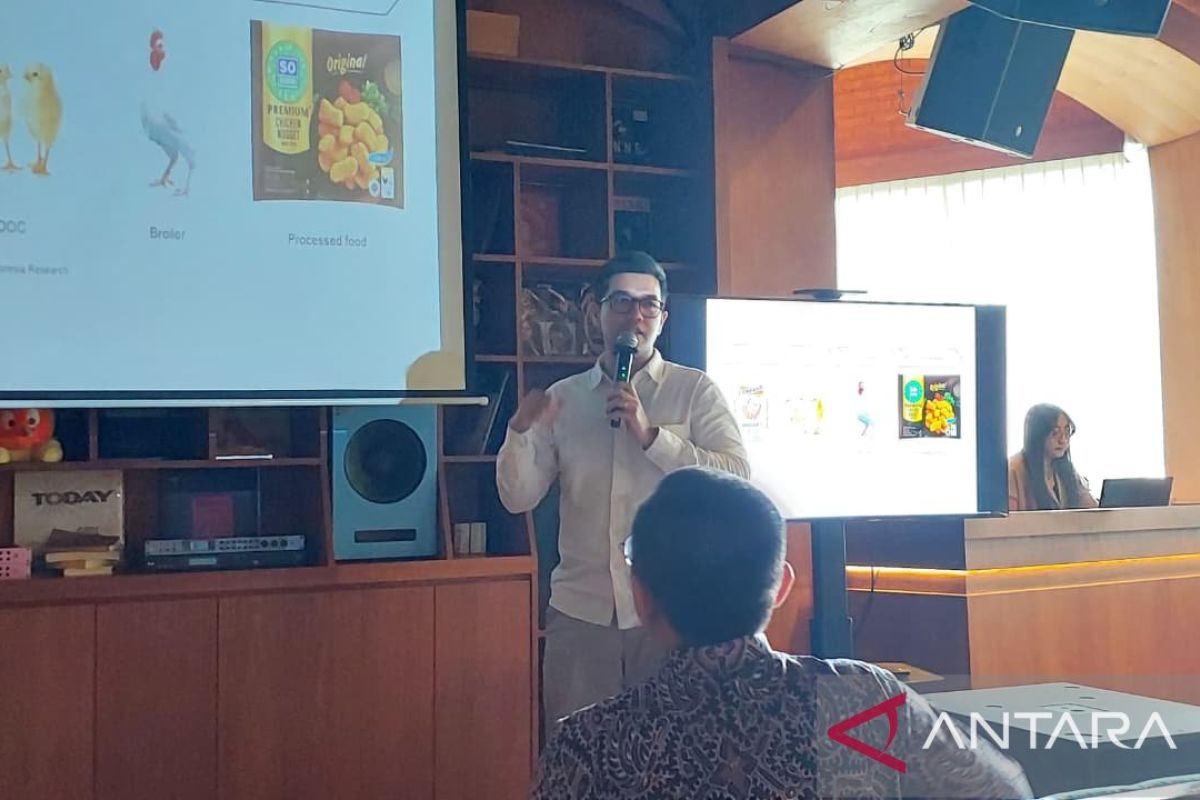
Senior Research Analyst at Mirae Asset Sekuritas, Andreas Kristo Saragih, stated that the profitability of the poultry sector in Indonesia is predicted to improve due to the Free Nutritious Meal (MBG) programme, which acts as a driver for recovering chicken demand.
Andreas explained that cumulative budget absorption for the MBG programme is expected to reach Rp88 trillion by May 2026, with expectations to more than double by the end of the year. With these figures, Andreas noted that the poultry sector is predicted to continue improving as the scope of beneficiaries expands and the number of MBG kitchens increases.
“If there is still around Rp80 trillion in the second semester, as is the case now, we feel the poultry sector remains in a good position. From the perspective of recipients, although spending in May decreased, the number of beneficiaries has actually risen; these are new beneficiaries. The number of kitchens is also increasing,” Andreas said during the Miraely Asset Media Day in Jakarta on Monday.
Andreas added that the poultry sector is also improving due to the MBG programme and the increase in the number of Food Service Production Units (SPPG), which has reached 29,000 kitchens. The government is also injecting investment to achieve poultry production welfare across various regions.
Currently, 60 per cent of the chicken supply is still dominated by imports from Java. Consequently, the government is investing in Poultry Slaughterhouses (RPHU) and cold storage facilities in Sumatra, Kalimantan, and Papua to ensure that chicken supply is not centralised solely on Java.
This initiative is also expected to drive Indonesia’s per capita chicken consumption, which rises by 5 per cent annually, though it remains significantly lower than the per capita consumption in other ASEAN nations such as Malaysia, Vietnam, and the Philippines, which stands above 10-30 per cent.
Government investment in the poultry sector is expected to result in the even distribution of chicken and egg production centres, job creation, increased farmer welfare, price stability for chicken and eggs, and contributions to State-Owned Enterprises (BUMN).
With a stable chicken supply and the implementation of the MBG programme, it is hoped that chicken culling can be reduced by 2026, allowing farmers to purchase Day-Old Chicks (DOC) at lower prices.