
Analyst: Nickel-based EV Subsidies Are the Key to Energy Sovereignty
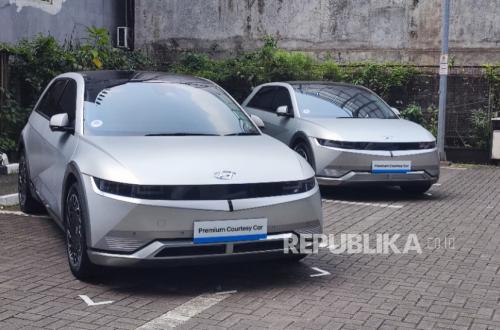
REPUBLIKA.CO.ID, JAKARTA – Energy Economics Analyst at Universitas Gadjah Mada Fahmi Radhi regards the government’s policy of directing subsidies for nickel-based electric vehicles, i.e., nickel manganese cobalt (NMC) batteries, as a strategic move to strengthen national energy sovereignty. According to Fahmi, Indonesia has a major advantage because it possesses the world’s largest nickel reserves which can be integrated directly with the domestic electric vehicle battery industry.
‘If you look at it now, the government is more selective. For incentives for nickel-based vehicles I think it’s good, because we have nickel production so it can push downstream development to become part of the national EV ecosystem,’ Fahmi said in a statement on Thursday (21/5/2026).
He believes the policy is not only important to reduce reliance on imported fuel (BBM), but also can strengthen the domestic battery and electric vehicle industry from upstream to downstream.
The government previously planned to re-launch electric vehicle subsidies starting June 2026 with a target allocation of 200 thousand units for cars and electric motorcycles. The programme is aimed at curbing fuel consumption while reducing energy imports in the long term.
In the scheme being prepared, the government will provide incentives in the form of Value-Added Tax covered by the Government (PPN DTP) of 100 percent for nickel-based battery EVs or NMC. Meanwhile EVs with batteries other than nickel will receive PPN DTP of 40 percent.
Additionally, the government is preparing subsidies for electric motorcycle purchases of Rp 5 million per unit.
Fahmi assesses that NMC battery technology is more relevant for Indonesia than lithium iron phosphate (LFP) technology. The main raw material for LFP is not produced domestically, so its economic benefits are considered not as great as nickel-based batteries.
He also applauds the government’s move to gradually reduce incentives for fully imported or completely built-up (CBU) electric vehicles. He says this policy could open up more room for the growth of the domestic EV industry.
‘The most important thing is how this becomes an opportunity for Indonesia to create an industrialisation ecosystem for electric vehicles from upstream to downstream,’ he said.