
Analyst: Indonesia's Solar Energy Potential a Magnet for Clean Energy Investment
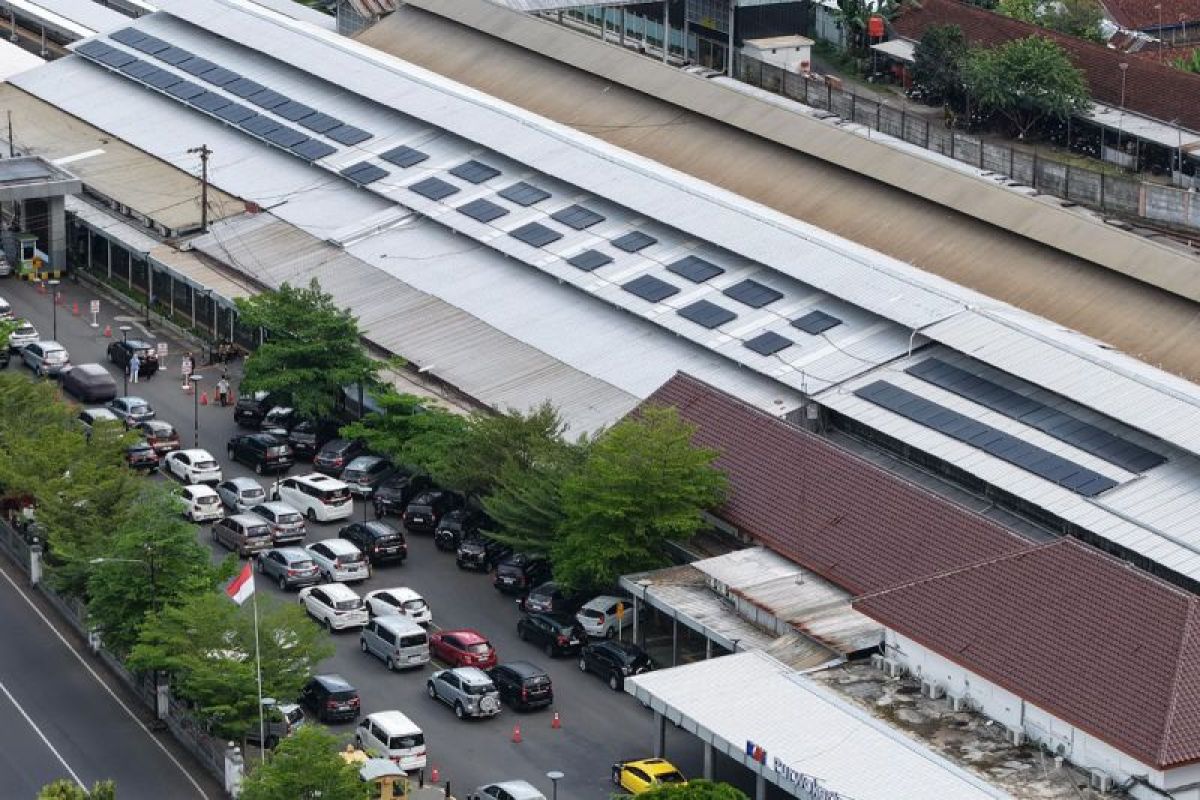
Institute for Energy Economics and Financial Analysis (IEEFA) analyst Putra Adhiguna stated that Indonesia’s substantial solar energy potential, reaching approximately 3,294 gigawatts (GW), can act as a growth engine for clean energy investment while supporting the national energy transition targets in the coming years. “Currently, the focus is on faster investment to provide clean energy, which is also sought by many strategic industries and investors to create jobs,” he said in Jakarta on Friday. He noted that investor interest in solar power plant (PLTS) projects is currently quite high, but certainty regarding the project procurement schedule by PLN is needed for investment to be realised immediately. The government’s commitment to building an additional 100 GW of power generation capacity is seen as a positive signal for the business sector, particularly if the projects can proceed within the next 12 to 24 months. Putra added that Indonesia needs to accelerate its solar power development to boost competitiveness in the region, as the country’s installed solar capacity is still relatively low compared to other major ASEAN nations. This gap, however, presents significant room for growth in future solar energy investment. Beyond large-scale projects, solar power combined with battery storage is also viewed as a viable option to expand electricity access in remote areas and reduce reliance on expensive nighttime diesel generators. To meet these needs, Putra stressed that sustainable maintenance planning must be incorporated from the outset, covering a period of at least five to ten years. He also expressed hope that the government will remain consistent in executing the solar energy targets outlined in the Electricity Supply Business Plan (RUPTL) and the 100 GW development commitment. Furthermore, he suggested that Indonesia should review the Domestic Market Obligation (DMO) policy for coal prices to ensure healthy economics for businesses without having to increase electricity tariffs for the public.