
Analyst: Indonesia Needs ASEAN Cyber Cooperation to Combat Online Gambling
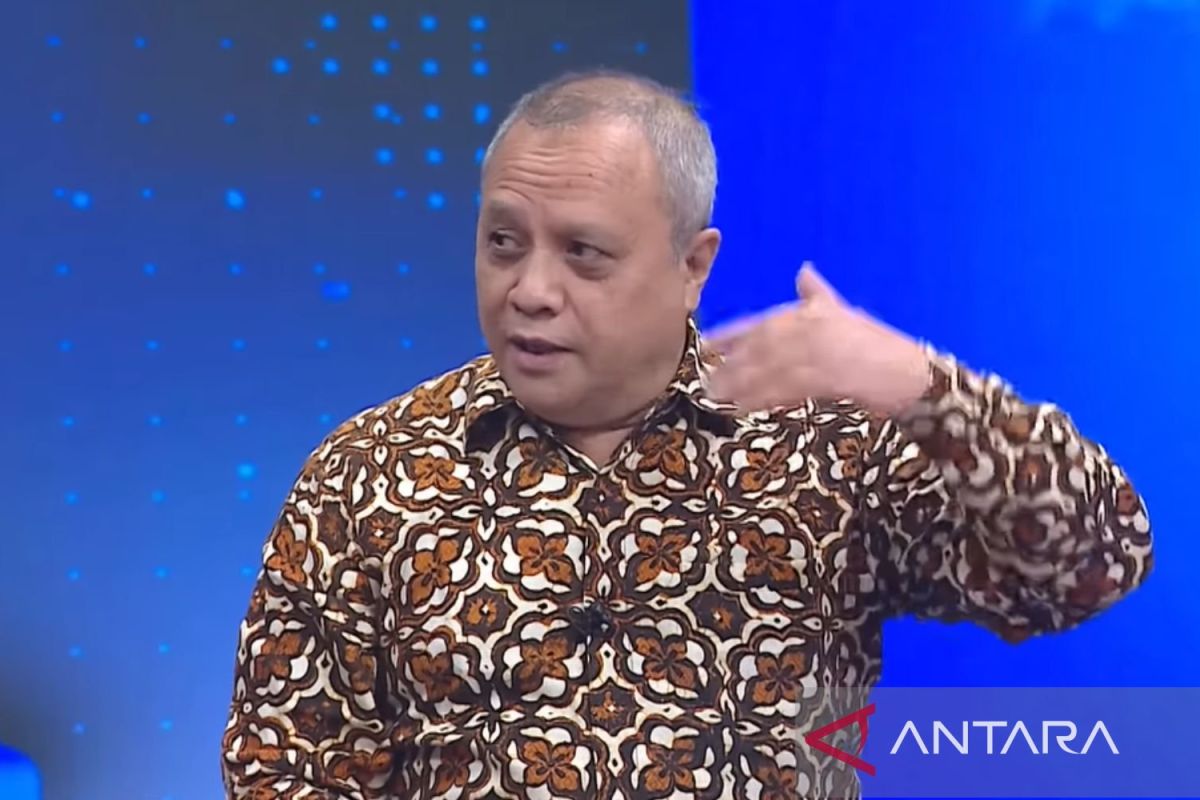
Jakarta (ANTARA) – International relations analyst and President University lecturer Teuku Rezasyah has urged Indonesia to work with ASEAN countries to strengthen cyber cooperation in tackling cross-border online gambling.
The cooperation would include tracing operational networks, prosecuting offenders and uncovering the flow of criminal proceeds.
“Cyber cooperation. They can jointly trace gambling points and locations, identify the methods used in online fraud, and track money laundering linked to online gambling crimes,” Rezasyah said in an interview in Jakarta on Thursday.
He said ASEAN could consider establishing a cyber centre or special task force involving member states to improve operational coordination against cross-border online gambling.
The body could be called the ASEAN Centre or ASEAN Task Force for Online Gambling and involve member states in tracking online gambling activity, sharing intelligence and identifying flows of criminal proceeds.
However, he stressed that such cooperation would require common operating standards, including uniform communication systems and codes, as well as training for personnel involved.
Rezasyah said law-enforcement cooperation between ASEAN countries to combat online gambling remained ineffective, tending to be limited to coordination and information-sharing. Differences in legal systems and national policies posed further challenges.
“Differences in laws do not mean that we cannot conduct joint electronic operations. This needs to be done,” he said.
He explained that direct enforcement on the ground must still be carried out by law-enforcement agencies in each country, in line with their authority and applicable laws.
Rezasyah said stronger cyber cooperation was needed because online gambling operators used rapidly changing technology and digital infrastructure, while authorities’ ability to trace and act against the networks often lagged behind.
He said online gambling networks could operate across jurisdictions, with servers moving between overseas locations and Indonesia. This made it difficult to trace offenders and dismantle their operational networks.
Differences in gambling policies among ASEAN countries also complicated collective efforts to combat the activity. Some countries permit certain forms of gambling under strict regulation, while others take a different approach.
Rezasyah said the issue needed to be discussed at ASEAN’s highest decision-making level because online gambling affected not only security but also the economy and society.
He said online gambling could drain people’s finances, worsen the economic vulnerability of families and hinder the empowerment of young people.
“Online gambling is severely draining the country’s finances and also undermining Indonesia’s national resilience. We are facing a generation that is becoming weaker, poorer and much harder to empower,” he said.
Alongside regional cooperation, Rezasyah stressed the importance of stronger domestic enforcement through monitoring suspicious websites, blocking them quickly and detecting sites that change their names or appearance to evade surveillance.
He also urged the government to increase oversight of digital infrastructure in accordance with applicable law so that online gambling networks could be identified and action taken more effectively.
Indonesia, he said, could not rely entirely on ASEAN’s response, as domestic efforts also required swift and coordinated action.
“If we already know where the vulnerabilities are at home, then we should implement digital literacy. Whatever ASEAN’s response may be, we should take action domestically straight away,” he said.
Rezasyah also highlighted the need for comprehensive data on people affected by online gambling, including their age groups and socio-economic backgrounds. Such data would help map vulnerabilities and design targeted prevention programmes.
He also urged the government to expand digital literacy education from primary school through to university, so people would be better able to recognise the risks of online gambling, digital scams and the various tactics operators use to attract victims.
Source: jawawa.id (https://jawawa.id/newsitem/analyst-indonesia-needs-asean-cyber-cooperation-to-combat-online-gambling-1793256805)
Originally published by Antara (Indonesian) (https://www.antaranews.com/berita/5818791/pengamat-indonesia-perlu-kerja-sama-siber-asean-berantas-judi-daring), translated from Indonesian