
Analyst: Incentives Needed to Achieve Zero ODOL by 2027
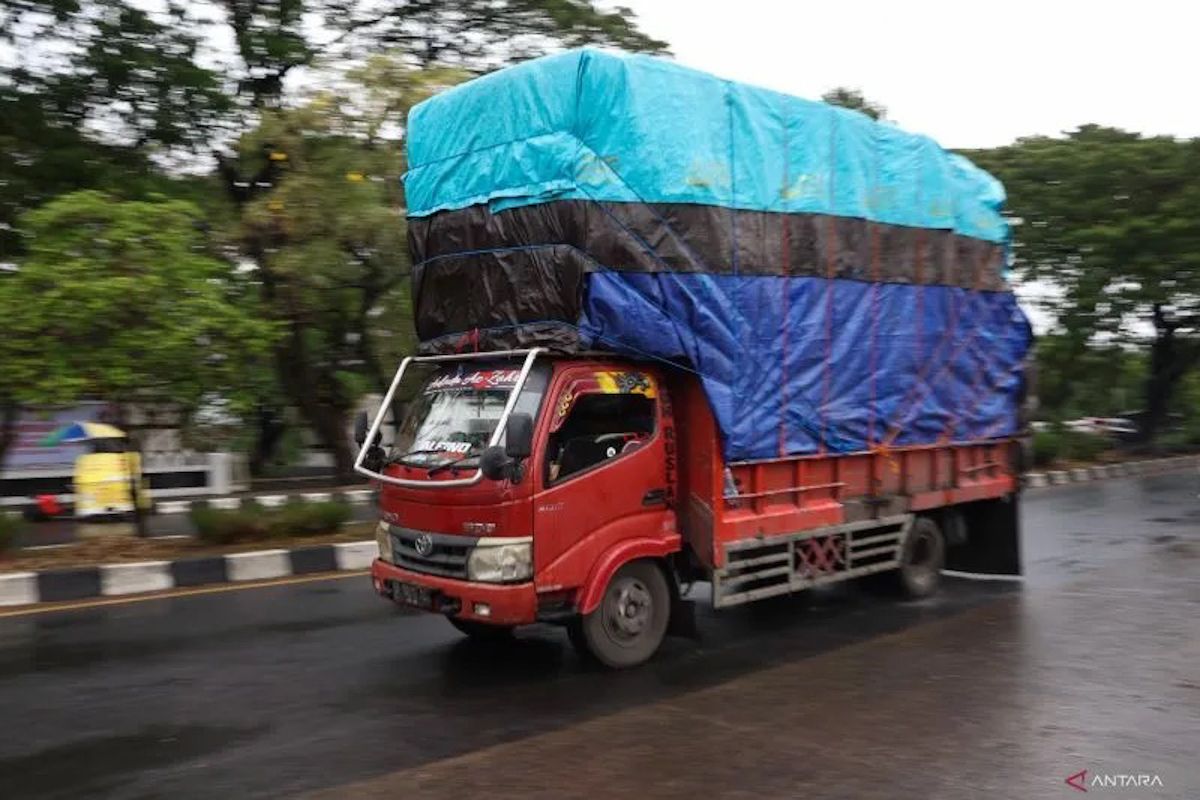
A transport analyst from the Strategic Transportation Initiative (Instran), Deddy Herlambang, has assessed that incentives are necessary to support the realisation of the zero over-dimension overloading (ODOL) policy by 2027, while gradually improving the efficiency of the national logistics system. According to Deddy, incentives can serve as a driver for logistics businesses to transition towards the implementation of zero ODOL. “The zero ODOL policy has actually been under discussion for several years,” Deddy said in a statement in Jakarta on Tuesday. He stated that the government needs to ensure the zero ODOL policy is supported by measured steps so that the transition process can run smoothly without disrupting the flow of goods distribution and national logistics. The Instran Senior Researcher assessed that drafting a roadmap is an important part of ensuring all stakeholders have a unified direction in preparing for the gradual and sustainable implementation of zero ODOL. The government previously stated it would provide solutions so that businesses can transition towards zero ODOL without disrupting logistics activities across various regions of Indonesia. In addition to law enforcement, the government is also preparing incentives for logistics companies to replace fleets that do not yet comply with regulations with vehicles that meet applicable safety standards. Deddy assessed that the provision of incentives needs to be adjusted to infrastructure readiness so that the implemented policies can provide optimal benefits for businesses and support the smooth distribution of logistics. According to him, the use of electric-based logistics vehicles still requires adequate infrastructure support because the availability of Public Electric Vehicle Charging Stations (SPKLU) is still limited in various regions. He said this infrastructure limitation needs attention so that the transition process towards more environmentally friendly vehicles can run effectively according to the operational needs of national logistics transport. Deddy also assessed that the development of multimodal transport is a strategic option to reduce the dependency of logistics distribution on truck transport in supporting the implementation of the zero ODOL policy. He explained that a distribution pattern using ships and trains as the main transport, followed by trucks as feeders, is considered a more ideal model despite its high cost. “Indeed, the most ideal is main logistics transport using trains as a multimodal role model with ships, then transferring to trains, and then trucks as feeders, but it is expensive due to double handling,” he explained. Therefore, according to Deddy, the government needs to provide incentives or subsidies so that multimodal transport costs become more competitive, encouraging more businesses to utilise it. “To cut the high costs, there is a role for the government to provide subsidies for logistics feeder transport or subsidies for using train transport,” he said. He assessed that such support could help reduce national logistics costs, which currently range between 14.2 per cent and 23 per cent of Indonesia’s Gross Domestic Product (GDP). Deddy emphasised that the zero ODOL policy not only aims to improve traffic safety but also serves as a momentum to build a more efficient logistics system to support the national economy. Previously, Minister of Transportation Dudy Purwagandhi affirmed that the government’s efforts to realise zero ODOL by 2027 are being carried out from upstream to downstream through cross-sector collaboration, comprehensive supervision, and technology-based law enforcement. “Handling ODOL must be done from upstream to downstream, starting from compliance with vehicle dimensions, the goods loading process, the responsibility of transport companies and cargo owners, road supervision, to law enforcement,” said the Minister. He made this statement during the launch of the Electronic Traffic Law Enforcement Hub (ETLE Hub) system as a modern and integrated system for the supervision and law enforcement of goods transport vehicles. Therefore, the Minister invited all stakeholders to strengthen collaboration to realise the target of zero ODOL vehicles by 2027.