
Analyst assesses National Internship policy as a form of state presence
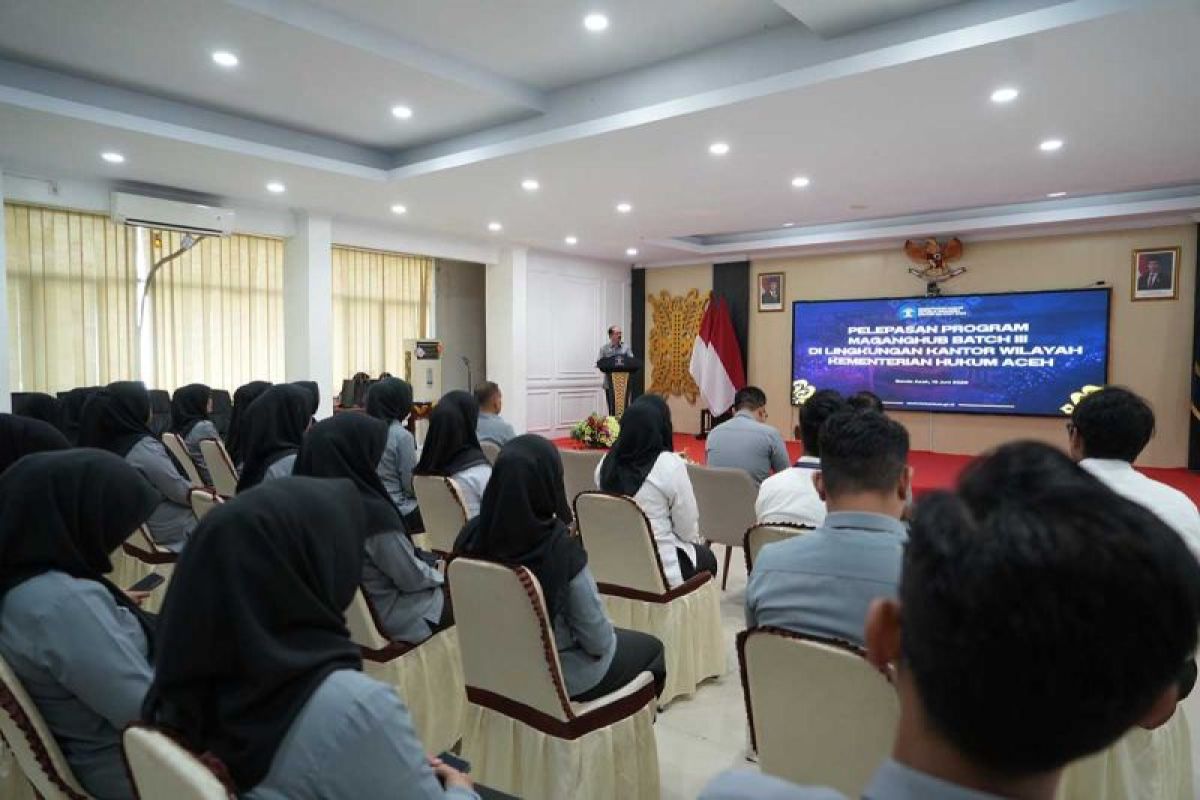
Jakarta (ANTARA) - Public policy analyst Arfianto Purbolaksono believes that the government’s policy to establish the 2026 National Internship Programme is a form of state presence, providing a tangible bridge for fresh graduates transitioning from academia to the professional world.
“This programme also serves as a solution to the skills mismatch between job seekers and employers, which has long been a primary cause of high youth unemployment,” Arfiostano stated in Jakarta on Wednesday.
He also noted that the introduction of the Internship Programme is a response to the most widely discussed need among the public on social media, particularly among young people: employment opportunities.
Arfianto highlighted that the government subsequently launched the national internship programme, and recent reports indicate that the initiative is progressing well.
For the first cohort of the National Internship Programme in 2025, 100,000 fresh graduates participated, with 30 per cent of them securing immediate employment.
“This is where the legitimacy of digital communication is tested—when aspirations emerging in the public sphere are truly realised through programmes that deliver a direct impact to society,” said Arfianto.
Specifically, he noted that President Prabowo Subianto’s assertion—that public aspirations, including those shared via TikTok, will be promptly addressed—signals an important shift in governmental communication management in the digital era.
According to him, public aspirations no longer rely solely on bureaucratic channels or mainstream media but can flow directly to decision-making centres through digital platforms.
He emphasised that the government’s openness to public aspirations via social media must be accompanied by policies that genuinely address public needs.
“The President’s statement shows that the government is beginning to utilise social media as a vital channel for capturing public sentiment,” he said.
He added that while social media functions as the initial space for forming public agendas, the government’s role is to institutionalise these agendas through accountable policies.
Arfianto concluded that the 2026 National Internship Programme serves as evidence that the government is translating public aspirations expressed through social media channels into reality.