
Analyst assesses B50 strengthens Indonesia's energy resilience against global turmoil
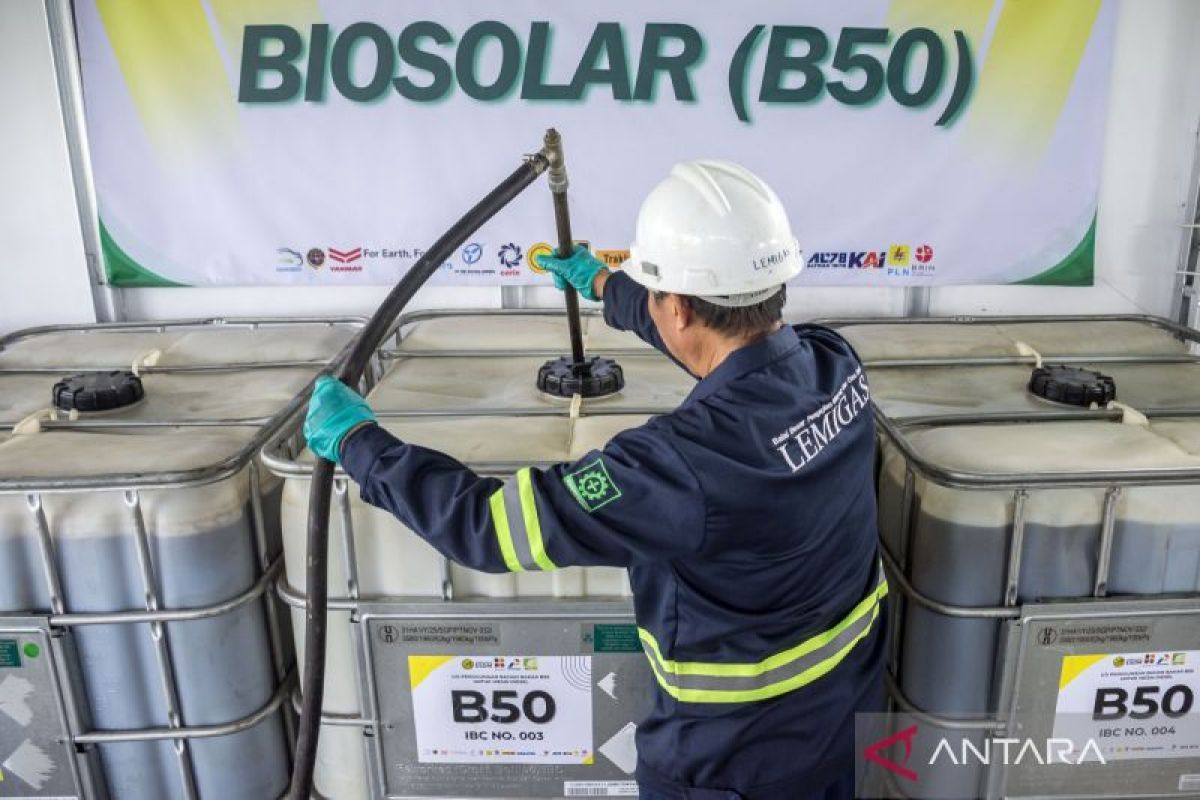
B50 is not merely a fuel-blending programme, but a national strategy to turn Indonesia’s natural resource advantages into genuine energy independence.
Jakarta (ANTARA) - Energy observer and Advisory Board member of the Indonesian Renewable Energy Society (METI), Feiral Rizky Batubara, has assessed that the B50 biodiesel programme strengthens Indonesia’s energy resilience in the face of global turmoil.
“B50 is not merely a fuel-blending programme, but a national strategy to turn Indonesia’s natural resource advantages into genuine energy independence,” said Feiral in a statement received in Jakarta on Monday.
According to Feiral, the B50 policy arrives at the right moment, while the world remains overshadowed by geopolitical uncertainty and fluctuating oil prices.
With the growing share of biodiesel in the energy mix, Indonesia can reduce the use of fossil-based diesel, save foreign exchange, improve the trade balance, and at the same time drive growth in the plantation sector and the downstream palm oil industry.
Therefore, he continued, Pertamina must be able to maintain readiness for the implementation of B50, including supply chain capacity that runs optimally.
Other aspects that need to be safeguarded include strengthening blending, storage and distribution facilities, as well as quality control.
All of these aspects are important factors that influence the quality of biodiesel and its widespread utilisation, both by the public and by industry.
At the same time, technical testing on various types of vehicles as well as public education need to continue to be expanded to increase confidence in the use of B50.
Feiral also emphasised the importance of synergy between the government, Pertamina and the palm oil industry so that the implementation of B50 proceeds sustainably.
The government, he said, needs to maintain regulatory consistency and long-term policy, while the palm oil industry must ensure the availability of raw materials that meet sustainability principles.
Such collaboration, in his view, will build an increasingly strong national bioenergy ecosystem.
Furthermore, the implementation of B50 is believed to be capable of laying the foundation towards energy independence.
As one of the world’s largest palm oil producers, Indonesia has a great opportunity to optimise downstream processing so that domestic energy needs can be met.
Another benefit is that the country can reduce its vulnerability to oil price shocks and disruptions to global supply chains.
“If policy consistency, downstream investment and collaboration among all stakeholders continue to be maintained, Indonesia has the potential not only to become the largest biofuel user, but also to play a role as a major player in the sustainable bioenergy industry at the global level,” he said.