
Analyst: Acceleration of electric vehicles needed to anticipate rising oil prices
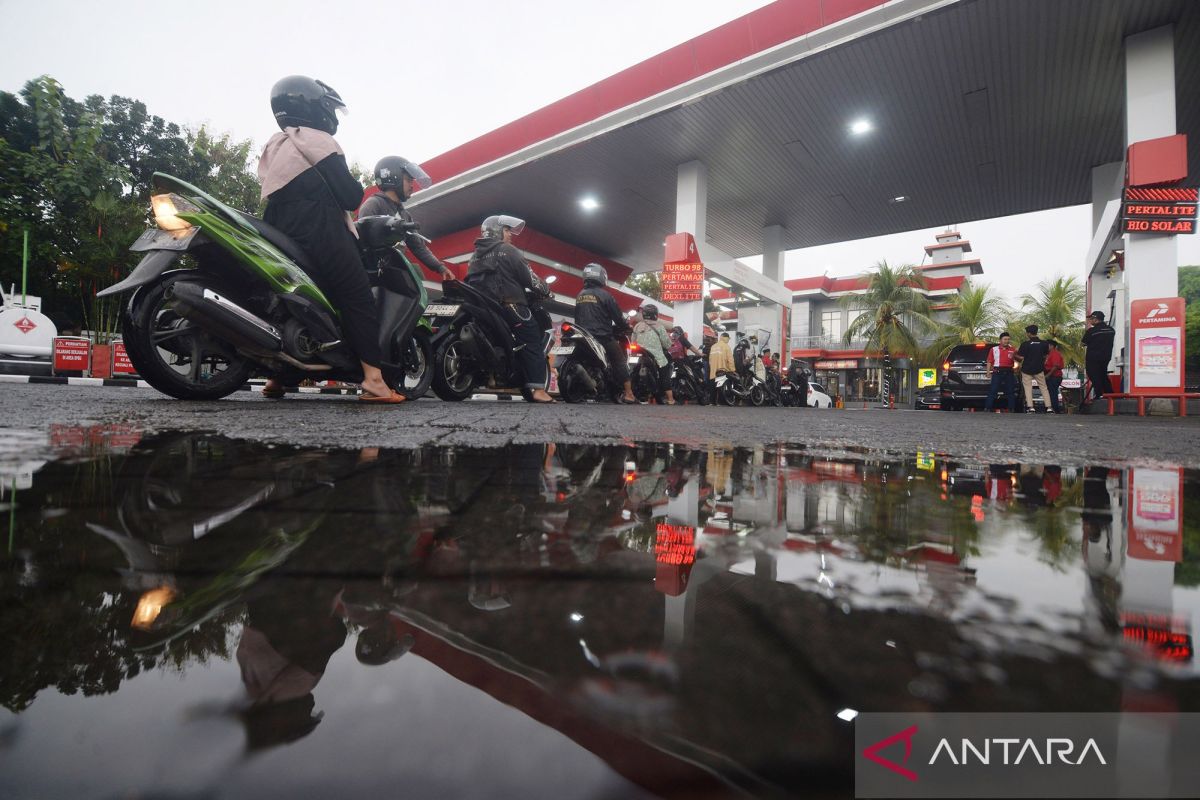
Jakarta (ANTARA) - The acceleration of electric vehicle (EV) adoption is considered a strategic step to cushion the pressure from global oil price surges on the state revenue and expenditure budget (APBN) by reducing dependence on oil imports.
“Every rise in global oil prices will drive up energy subsidies and compensation. This risks reducing fiscal space for productive spending such as infrastructure, education, and health,” said automotive analyst Martinus Pasaribu.
According to him, around 60-70% of national oil needs are still met through imports, while domestic oil lifting continues to decline and stands at around 600,000 barrels per day.
This situation, he continued in his statement in Jakarta on Monday, makes the APBN highly vulnerable to fluctuations in world oil prices, especially amid escalating geopolitical conflicts such as in the Strait of Hormuz.
Martinus explained that under the APBN macro assumptions, a $1 US increase in oil prices per barrel can raise the burden of energy subsidies and compensation by around Rp8-10 trillion.
With the realisation of world oil prices potentially breaching $90-100 US per barrel, total energy subsidy spending could swell again to approach or even exceed Rp300 trillion per year, as occurred in several recent years.
In relation to this, he added, electric vehicles offer a long-term solution because they can significantly reduce BBM consumption, as besides curbing imports, the shift to electricity also helps reduce BBM subsidies that have largely benefited the transportation sector.
From an efficiency perspective, he clarified, electric vehicles are far more economical. The average energy cost for electric vehicles is only around Rp300-500 per km, compared to petrol-fuelled vehicles which can reach Rp1,000-1,500 per km, depending on the vehicle type and BBM price, thus offering potential operational cost savings of up to 60-70% for users.
“It is estimated that the use of 1 million electric cars can save around 1.25 million kilolitres of BBM per year, while 5 million electric motorcycles could save up to 1.75 million kilolitres,” said Martinus.
Assuming global oil prices are in the range of $90-100 US per barrel and the current rupiah exchange rate, according to him, such import reductions could save foreign exchange of around Rp30-40 trillion per year.
In addition, reduced domestic BBM consumption could also potentially ease the burden of energy subsidies and compensation, which has been one of the largest components of state spending, thereby allowing the government’s fiscal space to be more focused on productive sectors such as infrastructure, education, and health.
He emphasised that transport electrification also provides multiplier effects, from strengthening the domestic battery industry, increasing investment, to creating new jobs in manufacturing and clean energy sectors.
For this reason, he continued, the government needs to accelerate EV adoption through integrated policies, ranging from fiscal incentives, the development of charging infrastructure (SPKLU), to strengthening the national electric vehicle industry ecosystem.
“The transition to electric vehicles is not only a step towards clean energy but also a concrete strategy for saving foreign exchange, maintaining fiscal resilience, and strengthening national energy sovereignty amid global uncertainties,” he said.
Source: jawawa.id (https://jawawa.id/newsitem/analyst-acceleration-of-electric-vehicles-needed-to-anticipate-rising-oil-prices-1774828243)
Originally published by Antara (Indonesian) (https://www.antaranews.com/berita/5499862/pengamat-perlu-percepatan-kendaraan-listrik-antisipasi-harga-minyak), translated from Indonesian