
Analysis: US Delegation Discards Gifts from Chinese Officials in Beijing
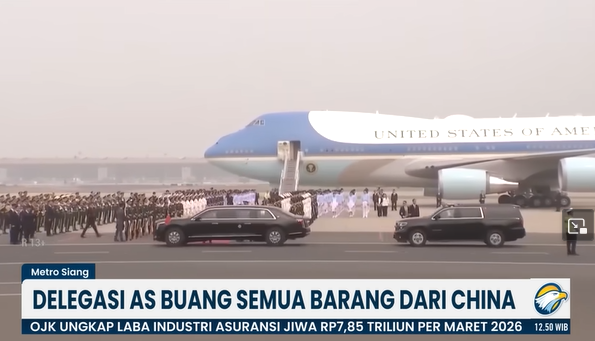
The incident involving the US presidential delegation discarding gifts from Chinese officials in Beijing is more than just a diplomatic breach of etiquette. Behind this action lies strict national security protocols designed to protect state secrets from modern espionage threats.
According to field reports from The Daily Express, US delegation staff were seen collecting all gifts received from Chinese officials, including those given to the press corps. These items were collected and disposed of before the delegates boarded their aircraft.
The primary reason behind this action is vigilance against bugging devices. China is known to possess highly advanced cyber and intelligence capabilities. Items such as mobile phones, badges, and even identification cards can be embedded with micro-hardware or malware capable of transmitting sensitive data.
White House staff and US press delegates are typically instructed to use burner phones while in China. These phones are not connected to personal data or official US accounts. Once the visit concludes, these devices are considered “contaminated” and must be destroyed or discarded to ensure no backdoors are established into US security systems.
In the world of intelligence, souvenirs are often used as a “Trojan Horse” method. Badges or ID cards that appear harmless could contain modified RFID chips. By discarding these items before boarding Air Force One, security teams ensure the presidential aircraft remains a “clean zone” free from foreign signals.
Trump’s visit to Beijing occurred amidst significant tensions regarding Taiwan, trade, and technology (such as the Huawei case). The deep distrust between Washington and Beijing has led to security protocols being raised to maximum levels. The act of discarding these items serves as a symbolic message that the US will not allow any openings for Chinese intelligence infiltration.
The actions of the US delegation in Beijing are a manifestation of the ongoing digital cold war. Information security is far more valuable than the etiquette of gift-giving in the context of the intense competition between two superpowers in technology and intelligence.