
Analysis of the 14-Point US-Iran MoU: Does It Really Benefit the Islamic Republic?
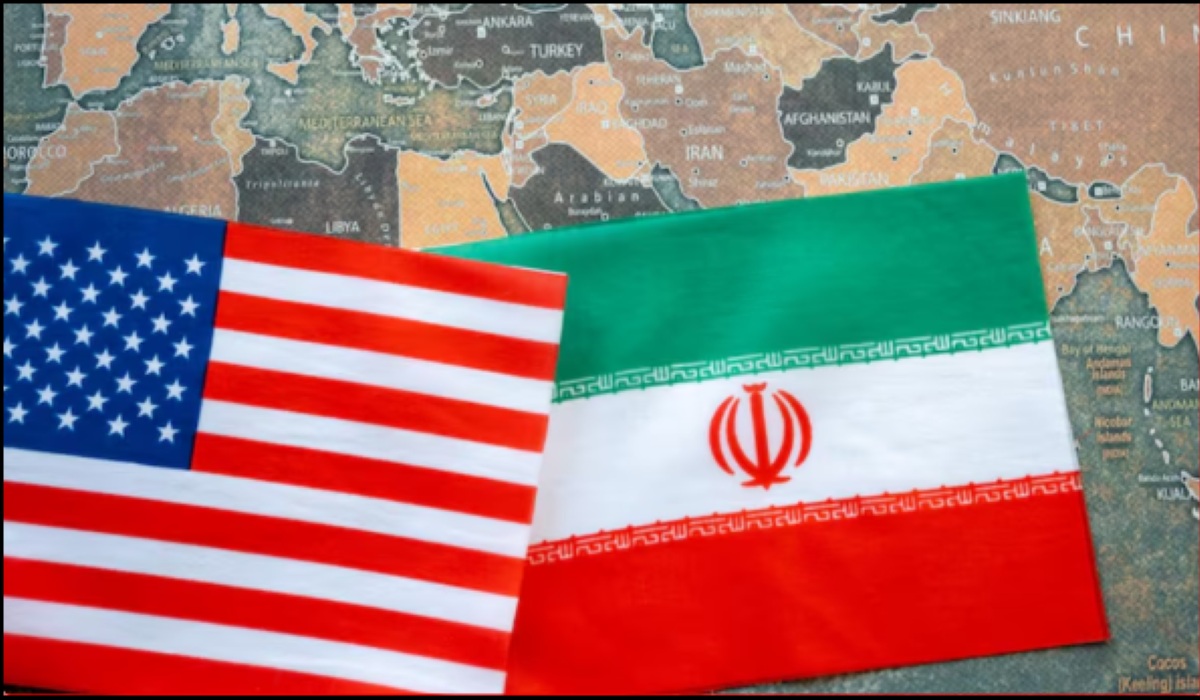
At a summit in Switzerland on Friday (19/6), US and Iranian officials are expected to sign an agreement aimed at ending the costly war. The 14-point plan may not constitute a full peace deal, but Donald Trump and his team believe it will usher in a period of stability in the Middle East and create a new, positive dynamic in relations between Washington and Tehran. Neither side has officially shared the contents of the Memorandum of Understanding (MoU), which will be released after the signing ceremony. However, a credible version was leaked and first published by Bloomberg. The document paves the way for a ceasefire and the reopening of the Strait of Hormuz, but appears to offer Iran considerably more. The Telegraph has outlined the key points of each article in the agreement.
The Islamic Republic of Iran and the United States of America, together with their allies in the current war, declare upon the signing of this Memorandum of Understanding the immediate and permanent cessation of war on all fronts, including Lebanon, and pledge henceforth not to launch any acts of hostility against one another, and to refrain from the threat or use of force against one another. The final agreement will confirm the provisions of this Article and the other Articles. This first element is a ceasefire not only between the US and Iran but also between Israel and Hezbollah in Lebanon, a key prerequisite for Tehran. In recent weeks, this proved to be a stumbling block in negotiations due to the apparent refusal of Israeli Prime Minister Benjamin Netanyahu to halt attacks on the Iran-backed militia. Since the deal was announced, those attacks have continued. Donald Trump has warned Netanyahu to comply, but enforcing this remains a difficult task. If the deal fails, it will likely collapse at this first hurdle.
The Islamic Republic of Iran and the United States of America pledge to respect each other’s sovereignty and territorial integrity and to refrain from interfering in each other’s internal affairs. This simple clause is included to help restore relations between the US and Iran after months of war. It was likely added at the insistence of the Islamic Republic, which has repeatedly stated that US and Israeli attacks violated its sovereignty and decision-making authority. It could also serve as a pretext for Tehran to withdraw from future negotiations.
The Islamic Republic of Iran and the United States of America pledge to negotiate and reach a final agreement within a maximum period of 60 days, which may be extended by mutual consent. This first article sets a timeline for transforming the weak memorandum into a full peace agreement. Two months is considered an ambitious period to finalise a deal, so both sides have agreed that the deadline can be postponed.
Immediately after the signing of this Memorandum of Understanding, the United States will lift the naval blockade and prevent any interference or obstruction against the Islamic Republic of Iran, restoring traffic to full capacity within a maximum of 30 days. The volume of traffic will be proportional to that of the Islamic Republic of Iran before the war. The United States also pledges to withdraw its forces from the surrounding area within 30 days of the final agreement. Iran closed the Strait of Hormuz, a vital waterway that normally carries about a fifth of the world’s energy exports, at the start of the war. In response to Tehran’s policy of allowing only its own ships to transit the strait, the US blockaded Iranian ports. Lifting the blockade allows Iran to assess whether the Trump administration is negotiating in good faith.
After the signing of this Memorandum of Understanding, the Islamic Republic of Iran will immediately take steps to ensure that the movement of commercial ships from the Persian Gulf to the Sea of Oman and vice versa resumes within 30 days to pre-war volumes, taking into account the need to remove technical obstacles and neutralise mines by Iran. This is essentially a reciprocal gesture from Iran. Trump has predicted that an oil surplus will soon flow, mitigating the global impact of his war. This article alludes to a joint Franco-British mission to clear mines from the strait once the ceasefire is in place. French and British officials used the G7 summit to explain that this would first involve mapping the mine locations before deploying experts and naval assets to clear them. By setting a 30-day deadline for reopening, time pressure is applied not only to Iran but also to the European nations that have pledged to help, whose refusal to forcibly open the strait has been a constant source of transatlantic tension within NATO.
The United States pledges, together with its regional partners, to formulate a comprehensive plan, agreed upon by both parties, for the rehabilitation and economic development of the Islamic Republic of Iran, while ensuring financing of at least US$300 billion. The mechanism for implementing this plan, as part of the final agreement, will be formulated within 60 days. When this element of the deal was first announced by unnamed US officials, some found it hard to believe. But ultimately, the US needed a far greater incentive to convince Iran to end the war and halt its nuclear programme after military force failed to achieve these goals.