
Analysing Human Trafficking Traps and the Vulnerability of Indonesian Migrant Workers
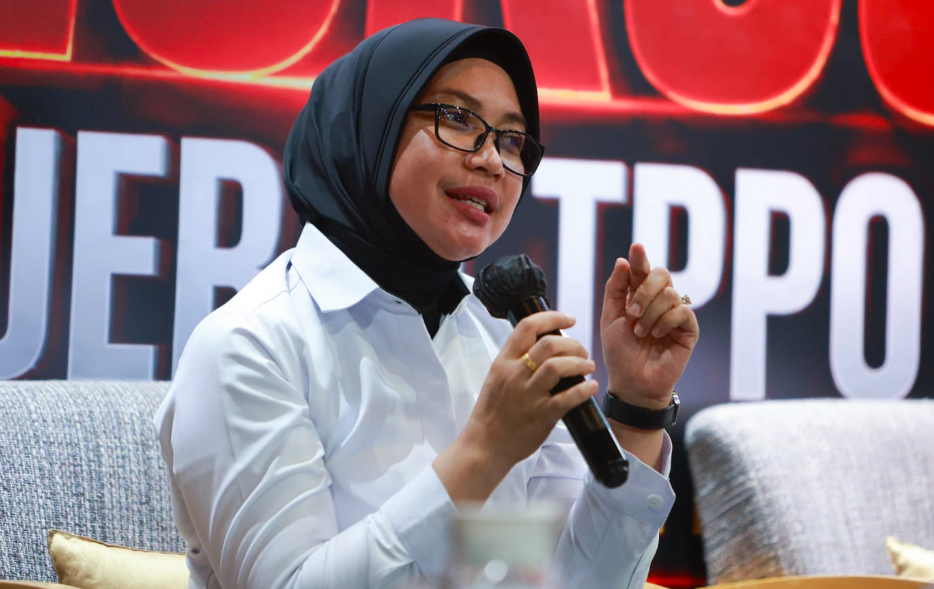
VOICE Indonesia, in collaboration with the Bogor Media Siber Network, officially held the third instalment of its Public Discussion series titled “Human Trafficking Traps & Migrant Worker Vulnerability: Unravelling Legal Loopholes, Dark Routes, and Protection Systems” in Bogor on Wednesday (9/9). This forum follows successful previous discussions held in Jakarta and Bandung. Anton Sahadi, Editor-in-Chief of VOICEIndonesia.co, emphasised that the forum was organised independently as a manifestation of the press’s commitment to addressing the rising cases of Human Traffering (TPPO).
“We wish to convey that this discussion is organised independently, meaning we are doing this as a form of concern for this sensitive issue and for the victims of human trafficking by irresponsible individuals. Our intention is not to take over the government’s role, but as members of the press, we are highlighting events that need serious follow-up,” Anton stated in an official statement on Thursday (9/9).
He added that the consistency of VOICE Indonesia through to this third instalment reinforces the media’s commitment to monitoring migrant worker protection issues. “The reason for a third instalment? It is a sign of our seriousness as press members. We have conducted this in Jakarta, Bandung, and now in Bogor Regency. This shows that the issue is quite sensitive and has captured our attention.”
The discussion featured a keynote speech from the Ministry of Indonesian Migrant Worker Protection (P2MI), represented by Firman Yuliant, Director of Complaint Services, Mediation, and Advocacy for Migrant Workers under Individual Employers. In his presentation, Firman reviewed the migrant worker placement map for 2026 and identified destination countries requiring special attention.
“These include Cambodia, as well as Saudi Arabia, Malaysia, Australia, and Taiwan. While Taiwan is generally safe, there are still rogue elements, particularly regarding crew members, which serves as a warning and a point of criticism,” Firman explained. He also reaffirmed the Ministry’s commitment to optimising coordination for digital protection and supervision.
From a law enforcement perspective, the Director of PPA-PPO at West Java Regional Police, Kombes Pol Rumi Untari, revealed the complexities of dismantling trafficking networks, particularly reaching the intellectual actors. “Why are only the candidates arrested? Because the candidates close themselves off and refuse to name others involved. They want to take responsibility themselves, so we cannot force them. Charging someone requires evidence, while they remain a key witness,” Rumi explained. He emphasised that law enforcement cannot act on assumptions but must rely on material evidence.
Meanwhile, the Vice Chairman of the Witness and Victim Protection Agency (LPSK), Antonius PS Wibowo, highlighted the obstacles in executing restitution for trafficking victims, which perpetrators often circumvent. “The agreed restitution might be 25 million IDR, while the fine is 200 million IDR. The perpetrator might be wealthy, owning properties in China and elsewhere. However, once the verdict is legally binding, they suddenly become poor by presenting a certificate of poverty from the local village office. This is the reality on the ground,” said Antonius.
Antonius also criticised the effectiveness of national regulations, noting they have not directly resulted in a decrease in international trafficking rates. “Indonesia has many regulations and legal frameworks, yet the crime persists. It is an ongoing struggle, and while we see results, we must accelerate our efforts.”
Regarding economic factors, the General Chairman of the Indonesian Migrant Workers Union (SBMI), Hariyanto Suwarno, voiced the dilemma faced by victims during legal proceedings. The lengthy judicial process often forces victims to return to working abroad. “Why do migrant workers who report to the police end up going back abroad? Imagine, if the process takes five years, they return. We cannot simply sit and wait for five years because the primary driver is economic necessity,” explained Hariyanto. He also noted a lack of consistent perspectives on victim protection among law enforcement officers.
From a journalistic standpoint, the elected Chairman of the Indonesian Journalists Association (PWI) West Java, Tantan Sulthon Bukhawan, revealed the various forms of pressure and intervention facing investigative journalists covering trafficking. “The most frequent form is intervention, often coming from media owners. This is frequently experienced by journalists conducting investigations,” Tantan revealed. Nevertheless, he reaffirmed the press’s commitment as a public watchdog. “We journalists are not judges who decide cases. We conduct investigations; we are the watchdog for the public interest. We must continue to guard this role.”
Source: jawawa.id (https://jawawa.id/newsitem/analysing-human-trafficking-traps-and-the-vulnerability-of-indonesian-migrant-workers-1789037983)
Originally published by Media Indonesia (https://mediaindonesia.com/humaniora/931950/bedah-jerat-tppo-dan-kerentanan-pmi), translated from Indonesian