
Anak Krakatau Ash Spreads to Banten, West Java, and Sumatra; Residents Advised to Stay Indoors
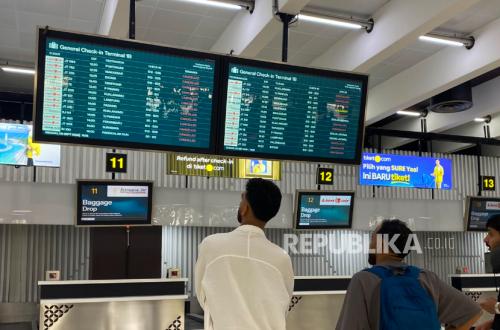
The Geological Agency of the Ministry of Energy and Mineral Resources (ESDM) has reported that volcanic ash from Mount Anak Krakatau has been observed spreading across several regions. The ash distribution has been detected moving towards Banten, parts of West Java, DKI Jakarta, Lampung, and Bengkulu.
Lana Saria, Head of the Ministry of ESDM’s Geological Agency, stated that the direction and range of the ash spread are heavily influenced by wind conditions at various altitudes. The height of the eruption column, the duration of the eruption, and the amount of material ejected also affect the dispersal pattern.
The direction of the ash spread can change within a relatively short period. Therefore, information regarding the ash distribution needs to be continuously updated based on the latest meteorological conditions.
“Based on combined information from the eruption and VONA from PVMBX via MAGMA Indonesia, VAAC Darwin information, and Himawari-9 satellite imagery analysis by BMKG, volcanic ash from Mount Anak Krakatau is observed spreading in the atmosphere towards Banten, parts of West Java, and DKI Jakarta, as well as Lampung and Bengkulu,” Lana said during a press conference on the progress of the Mount Anak Krakatau eruption on Sunday (6/9/2026).
PVMBG, she explained, provides information regarding the eruption source, time of occurrence, ash column height, colour, intensity, and the observed trend of the ash column direction. This information is then coordinated through the Volcano Observatory Notice for Aviation (VONA) mechanism.
VONA information serves as input for aviation authorities and aviation meteorological agencies in determining safety measures. The impact on airport operations is determined by aviation authorities based on actual ash conditions, dispersal forecasts, and aviation safety standards.
“The potential for a wider impact will increase if the eruption column becomes higher, the eruption lasts longer, or winds carry ash into flight paths and populated areas,” said Lana.
The Ministry of ESDM’s Geological Agency reminded that ash distribution cannot be projected based on a single eruption event alone. The direction and range of the ash can change following the direction and speed of the wind.
Communities in areas affected by the ash are advised to avoid outdoor activities and to follow official government information. Residents are also requested to use masks to protect themselves from exposure to volcanic ash.