
AMSI Supports Copyright Law Revision to Rectify Unfair Relations Between AI Platforms and Publishers
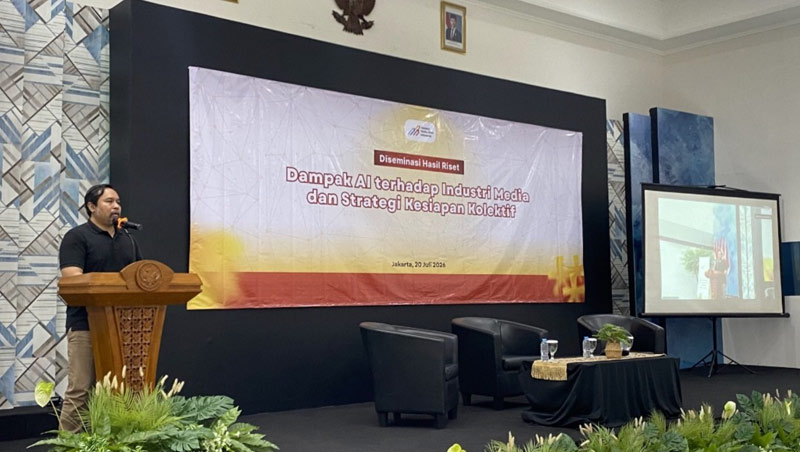
UNESCO has also cautioned that compensation mechanisms must not only strengthen large media publishers or open space for state interference in editorial independence. “UNESCO provides a clear policy direction: fair compensation must strengthen journalism while safeguarding freedom of expression, access to information, and an open digital environment,” said Mustafa Layong, Director of LBH Pers. Because of this, AMSI and LBH Pers are encouraging the government and the House of Representatives to continue the discussion of the Copyright Bill through an open, data- and evidence-based process, involving as many stakeholders as possible, including digital platform companies, publisher associations, journalist associations, and public representatives. AMSI believes this revision of the Copyright Law provides Indonesia with an opportunity to build a new model of fair relations between platforms and publishers suitable for Global South countries: a model that protects innovation and non-commercial use, but rejects a digital economy that permits the continuous exploitation of journalism’s economic value without permission and fair compensation. “The revision of the Copyright Law is necessary to restore the bargaining position of press companies and journalists, and to ensure that a portion of the value generated from journalism returns to newsrooms that serve the public interest,” said Wahyu.