
Amran: Indonesia Has Gone Two Years Without Rice Imports Amid Global Food Crisis
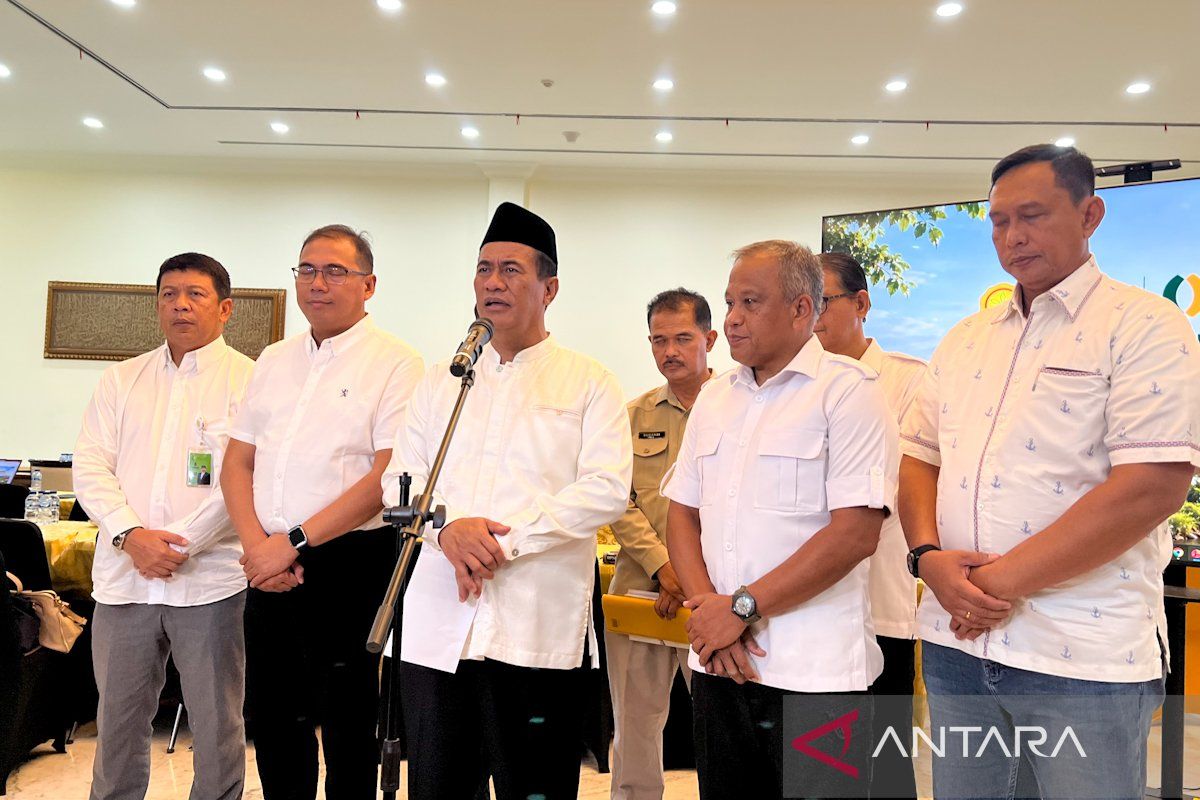
Jakarta (ANTARA) - Agriculture Minister Andi Amran Sulaiman said Indonesia had entered its second year without importing rice, despite a global food and energy crisis and geopolitical pressures.
“Thankfully, at a time when the global food situation is troubling and far from normal, Indonesia has entered its second year without importing rice,” Amran said at a press conference in Jakarta on Sunday.
He said the government, through the Ministry of Agriculture, continued to strengthen national food security through cross-sector co-ordination, even on public holidays, because ensuring adequate food for the country’s 286 million people was a top priority.
“We hold meetings on Sundays, even at dawn. There are no red-letter days for the Ministry of Agriculture when it comes to safeguarding our food supply,” he said.
Amran said he had just returned from Beijing, where he met China’s agriculture minister to discuss opportunities for co-operation to strengthen the food sector amid continuing global uncertainty.
“We have just returned from Beijing after meeting the agriculture minister and having lengthy discussions. We will co-operate going forward to strengthen food security, because the world is facing food and energy crises,” he said.
He said the global food situation remained under pressure from food and energy crises, as well as rising geopolitical tensions that were disrupting logistics and the commodity trade in various countries.
China currently imports about six million tonnes of food, he said, while dozens of countries were choosing to retain domestic stocks as a precaution against uncertainty in global supplies.
Amran said at least 33 countries had introduced measures to safeguard national food stocks, further tightening international distribution and requiring anticipatory steps to protect domestic availability.
In response, the government was consolidating efforts to boost production, manage reserves and secure distribution so that national food supplies remained sustainably available to the public.
“Some countries, according to the reports you have written, are among the 33 holding back food and building stocks as geopolitical tensions rise, making distribution and transport more difficult, and so on. We are protecting our supply and consolidating our efforts,” he said.
Amran stressed that Indonesia had entered its second year without rice imports under President Prabowo Subianto, while national rice stocks remained sufficient to meet public needs.
“Once again, this is the second year without rice imports under President Prabowo. We are grateful that our rice and stocks are secure,” he added.
Indonesia has a strong foundation for facing global uncertainty. At the end of October 2026, government rice reserves managed by state-owned logistics company Perum Bulog stood at around 4.5 million tonnes.
There was also an estimated 10 million tonnes of rice in standing crops ready for harvest, as well as around 10 million tonnes of stocks in the hotel, restaurant and catering (horeca) sector.
The national rice supply was estimated at around 25 million tonnes, while domestic demand was about 2.5 million tonnes a month.
Indonesia has achieved self-sufficiency in eight commodities without imports: rice, maize, large chillies, bird’s-eye chillies, refined sugar, chicken meat, eggs and shallots.
Source: jawawa.id (https://jawawa.id/newsitem/amran-indonesia-has-gone-two-years-without-rice-imports-amid-global-food-crisis-1794120758)
Originally published by Antara (Indonesian) (https://www.antaranews.com/berita/5839623/amran-ri-dua-tahun-kokoh-tanpa-impor-beras-saat-krisis-pangan-global), translated from Indonesian