
Amran Exposes Rice Mafia Modus Operandi, Fraudulent Use of Subsidised Goods
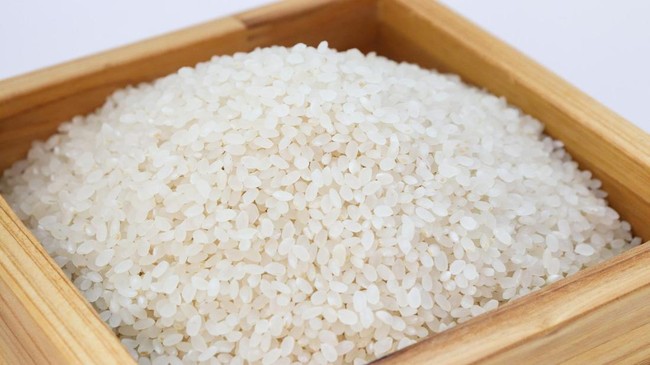
Deviations in the sale of fortified rice are causing the state to lose trillions of rupiah, as the modus operandi exploits various subsidies provided by the government to the food sector. Agriculture Minister Amran Sulaiman revealed that the entire rice production chain in Indonesia receives government support, ranging from fertilisers, irrigation, and seeds to electricity and fuel. The value of subsidies for the food sector is projected to reach Rp160 trillion by 2026.
“All Indonesian rice is subsidised. Subsidised fertiliser, irrigation, electricity, fuel, seeds, and tractors. The value was Rp144 trillion previously, and now it is Rp160 trillion. These are subsidised goods, yet they are being used for fraud. It is cruel,” Amran told reporters in Jakarta.
According to Amran, the suspected irregularities occur when rice that has benefited from subsidies is sold under the claim of being ‘fortified’—a process of adding micronutrients such as vitamins and minerals to food. However, laboratory tests have shown that these products do not meet fortification standards. Despite this, they are sold at much higher prices than they should be. Consequently, the practice is viewed not only as harmful to the public but also as an abuse of state subsidies.
“These subsidies are intended for the lower-income population, the lower-middle class. Instead, they are being used by conglomerates, and even then, they are used dishonestly through fraud. The quality is meant for Rp8,000 per kg, but it is being sold at Rp17,000 per kg. Even more extreme, some are sold at Rp42,000 per kg, even though they are not fortified,” he said.
Amran explained that the subsidy calculation is based on total national rice production, where every stage of production receives various forms of government support. “If the total is 34 million tonnes of rice, within that lies Rp144 trillion in state subsidies. From this, there is an estimate of certain percentages for fortified and premium rice. Since the rice is subsidised and all production means are subsidised, this is government-subsidised goods. Yet, they are being traded by large entrepreneurs who are also defrauding the people,” he explained.
Amran emphasised that the value of the subsidies allegedly misappropriated reaches approximately Rp56 trillion. “It is a loss to the state because they are not providing fortification but are taking the subsidy; that is fraud,” he added.
These findings are part of the Ministry of Agriculture’s oversight of fortified rice circulating in the market. Based on preliminary laboratory tests, approximately 80% of the samples inspected did not meet fortification standards. “In total, after we took samples of all registered and unregistered fortified rice, 80% of the registered ones did not meet the standard. The average price is around Rp22,665 per kg, with some reaching Rp42,000 per kg. This is irrational,” he stated.
He ensured that the government will take firm action against those proven to be violating regulations, including revoking the distribution permits of fortified rice products that fail to meet standards, and handing over the investigation results to law enforcement agencies once all data is finalised. “We will regularise this. I have requested a detailed check. Once it is confirmed, I will revoke the permits,” Amran concluded.