
Amran Considers New Rules to Stop Rubber Plantations Being Replaced by Oil Palm
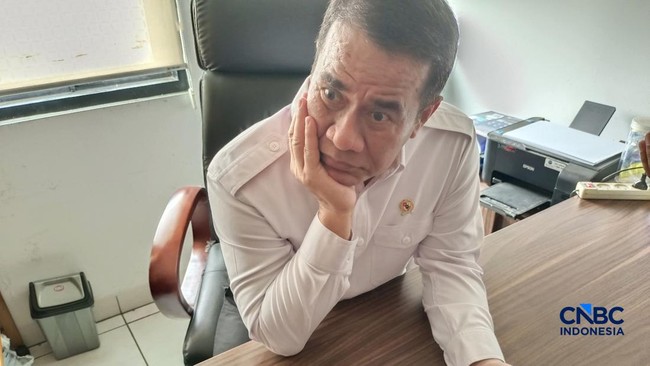
Jakarta, CNBC Indonesia — Agriculture Minister Amran Sulaiman has drawn attention to the threat of declining national rubber production as many farmers begin switching to oil palm cultivation.
Amran said the situation needed attention because, if more farmers abandoned rubber plantations, the commodity could become scarce in Indonesia.
“We have to protect it, because if they switch to [oil palm], our rubber could become scarce again. This needs to be addressed,” Amran said in Jakarta on Thursday (8 October 2026).
The challenges facing rubber farmers were previously raised at a public hearing with Commission IV of the House of Representatives (DPR RI). The Indonesian Rubber Farmers Association (Apkarindo) called on the government to provide better treatment, including support comparable to that given to oil palm farmers.
In response, Amran said the government was open to introducing new measures to support rubber farmers, although it still needed to determine the right approach.
“We will try to formulate something. This requires new policy, but we always work to do our best for farmers,” he said.
Amran added that the farmers’ request for subsidies to replant rubber would be discussed further by the government.
“We will discuss it. It requires new policy,” he said.
He said the sustainability of rubber plantations needed to be addressed so that farmers’ shift to other commodities did not lead to a fall in national rubber supplies.
The government is open to drawing up new policies that could safeguard rubber farmers’ livelihoods while maintaining production of the commodity.
Rubber farmers have previously issued a stark warning about the future of the country’s rubber sector. If plantations continue to be left without replanting and government support, they fear rubber could be all but a thing of the past within 10 years.
The warning was made by Supartijo, head of Apkarindo’s South Sumatra regional chapter, at a public hearing with Commission IV of the DPR RI on Tuesday (6 October 2026).
Supartijo said the condition of smallholder rubber plantations was becoming increasingly worrying. Many rubber trees were old and their productivity had declined.
“Of the total area, only around 300,000 to 400,000 hectares still have high productivity. The rest are old and weak, with no strength; they have never had a good meal or been fertilised, because prices are very low and they cannot support families,” Supartijo said at the hearing at the parliamentary complex in Jakarta.
He said the problem was increasingly prompting farmers to abandon rubber and plant oil palm, which they consider more economically promising.
“Prices have now risen, but the rubber trees are already old, tapping has reached the upper parts of the trees, and yields are very low. As a result, many of our farmers are now switching from rubber to oil palm,” he said.
He said this situation reflected an imbalance in the government’s attention to rubber compared with oil palm.
“They sell the rubber wood to get money quickly, then plant oil palm, because oil palm is the ‘favoured child’ while rubber is the ‘stepchild’,” he said.
Source: jawawa.id (https://jawawa.id/newsitem/amran-considers-new-rules-to-stop-rubber-plantations-being-replaced-by-oil-palm-1791456721)
Originally published by CNBC Indonesia (https://www.cnbcindonesia.com/news/20261008170004-4-774502/siap-siap-amran-mau-bikin-aturan-baru-larang-karet-diganti-sawit), translated from Indonesian