
Amoeba Air Could Act as a 'Trojan Horse' for Deadly Bacteria
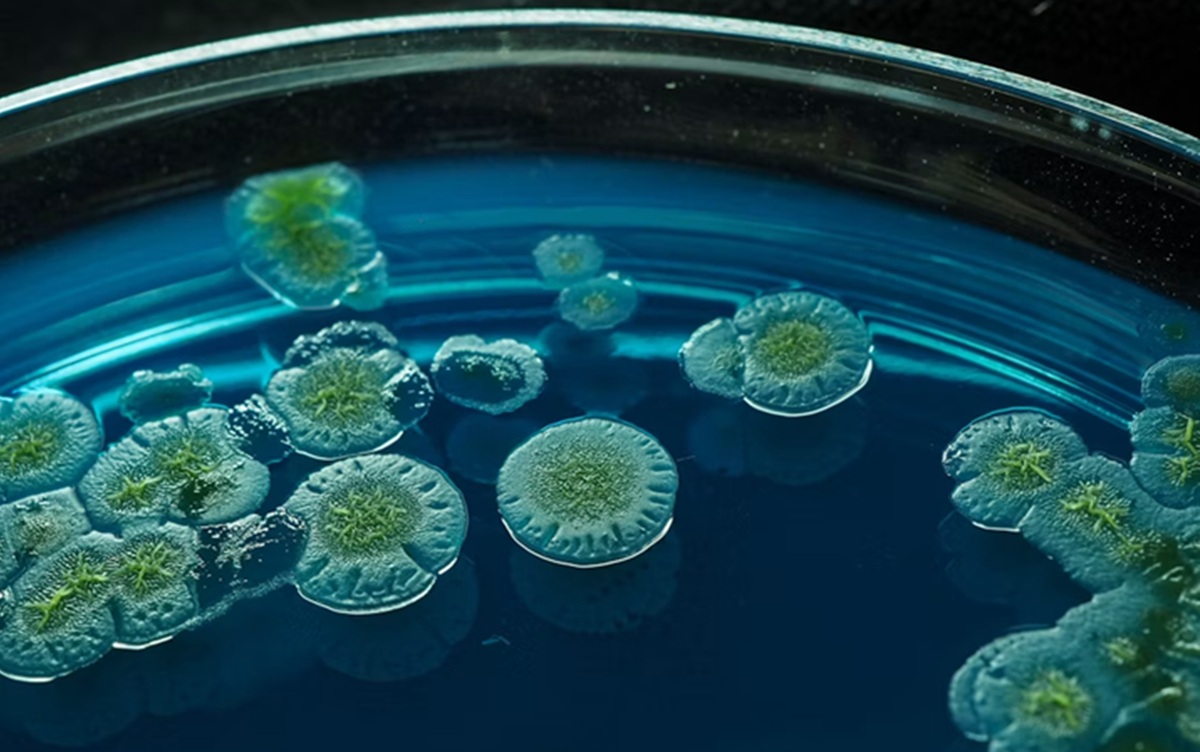
Environmental and public health researchers have issued a serious warning regarding a group of microbes deemed a major threat to human health. These organisms are free-living amoebae, commonly found in water and soil. Scientists state that their proliferation is becoming increasingly concerning due to global warming and the ageing of water pipe systems.
In a scientific article published in the journal Biocontaminant, researchers described these amoebae as an often-overlooked public health risk. The combination of climate change, ageing water infrastructure, and weak monitoring systems could allow these dangerous amoebae to spread widely and become increasingly difficult to control.
While most amoebae in nature are not harmful to humans, certain species can trigger severe diseases. One of the most well-known examples is Naegleria fowleri, often referred to as the ‘brain-eating amoeba’. This organism can cause rare and highly fatal brain infections when contaminated water enters the nose, typically during swimming or other water-based activities.
“What makes these organisms so dangerous is their ability to survive in conditions that kill many other microbes,” said Longfei Shu from Sun Yat-sen University, the study’s corresponding author. “They can tolerate high temperatures, strong disinfectants such as chlorine, and can even live within water distribution systems that the public considers safe.”
The greatest danger does not come solely from the amoebae themselves. Researchers warn that these single-celled creatures can act as a living shield for other harmful microbes. Bacteria and viruses can hide within the bodies of the amoebae, thereby protecting them from disinfection processes and clean water treatment methods.
Scientists refer to this phenomenon as the “Trojan Horse” effect. This condition is strongly believed to play a role in the spread of antibiotic-resistant bacteria.
This risk is projected to expand further due to rising global temperatures. Amoeba species that prefer warm temperatures can now survive and spread to regions where the presence of such microbes was previously rare.
In response to this threat, the authors are urging the implementation of a ‘One Health’ strategy that integrates human health, environmental science, and water management sectors. Stricter surveillance, faster diagnostic tools, and more advanced water treatment technologies are urgently needed to mitigate the risk before infections occur.
“Amoebae are not merely a medical or environmental issue,” said Shu. “They exist at the intersection of both, and addressing them requires integrated solutions that protect public health directly from the source.”