
Amirul Haj Inspects Sacrificial Animals for Indonesian Pilgrims in Mecca
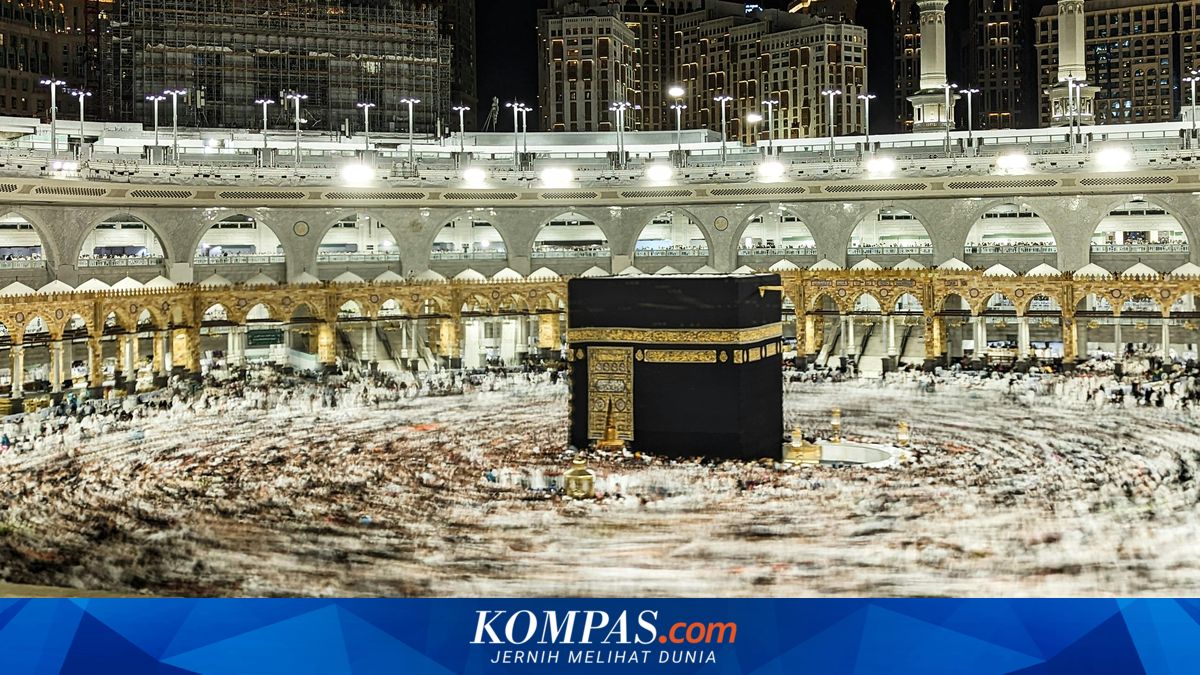
MAKKAH - The Indonesian government has inspected the suitability of animals for dam payments and the slaughter process at the Adahi meat management facility in Mecca.
A delegation including Amirul Hajj KH Asep Saifuddin Chalim, Minister of Hajj and Umrah Mochamad Irfan Yusuf, Deputy Minister of Religious Affairs Dahnil Anzar Simanjuntak, Musyrif Diny Asrorun Niam Sholeh, and other Hajj officials conducted the inspection on Monday, 25 May 2026.
“I observed, examined, and monitored from behind. The neck muscles that must be severed during slaughter have been properly cut using a knife,” said KH Asep, who is also the head of Amanatul Ummah Islamic Boarding School in Mojokerto.
“The goats, although some appear small, meet the minimum age requirement of two years,” added Kiai Asep.
Hajj dam is a penalty requiring the sacrifice of an animal paid by pilgrims.
Beyond religious compliance, concerns have arisen over the price difference between traditional markets like Ka’kiah Market and the 750 Riyal fee paid by pilgrims through Adahi.
According to KH Asep, the cost margin is reasonable and justifiable given the operational professionalism of the official facility.
The funds cover more than just purchasing goats; it is a comprehensive package up to ready-to-distribute meat.
“This cost includes incentives for slaughterers, skinning wages, as well as investment and operational expenses for the meat processing plant,” he explained the fund allocation.
“However, 3,195 people have opted to pay their dam through fasting, and 1,076 are performing haji ifrad (which does not require dam payment),” said Dahnil on Friday, 22 May 2026.