
Amid War, Ministry of Agriculture Accelerates Downstreaming for Biodiesel and Ethanol
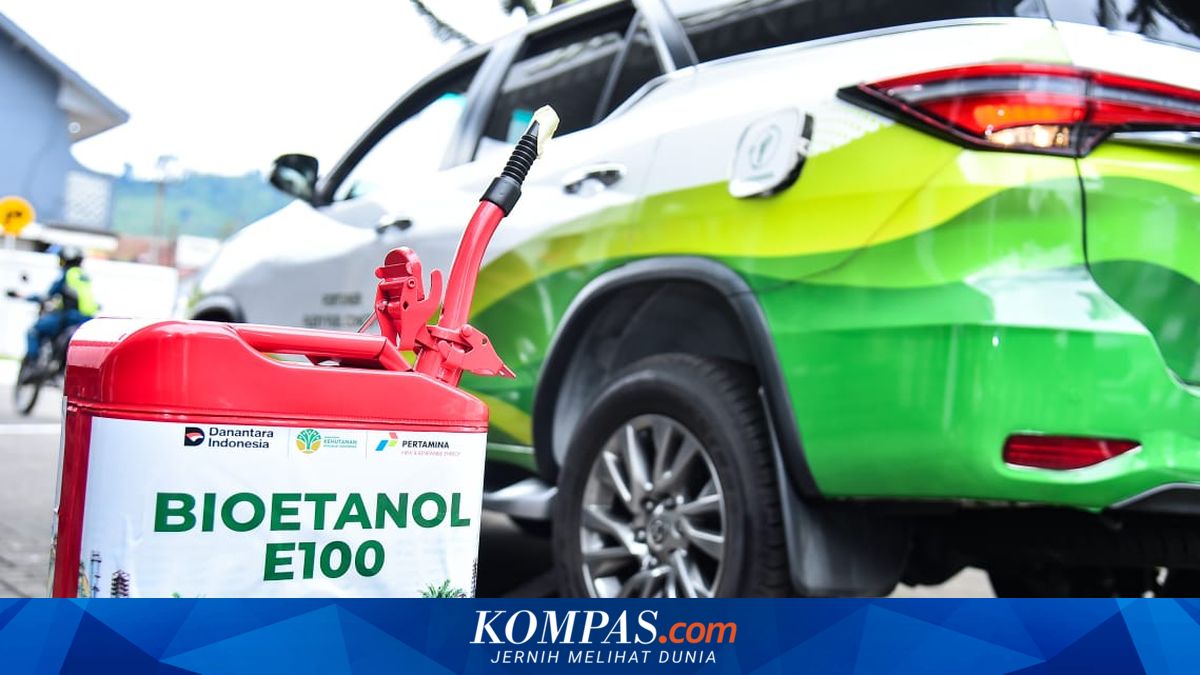
JAKARTA, KOMPAS.com - Agriculture Minister Andi Amran Sulaiman stated that the government is accelerating the downstreaming of the agricultural sector. This step is aimed at supporting the production of biodiesel and bioethanol.
The policy is being pursued amid rising global geopolitical tensions. Biofuel is positioned as a substitute for fossil fuels to promote energy independence.
Amran noted that the directive to accelerate comes directly from President Prabowo Subianto.
“(The president’s directive) for the agricultural sector is biofuel downstreaming at a time of heated geopolitical conditions; we need quick action,” said Amran at the Ministry of Agriculture office in Jakarta on Monday (30/3/2026).
The biodiesel programme has been running with a 40 per cent palm oil and 60 per cent fossil diesel mixture, or B40. This scheme is said to have reduced diesel imports.
The government plans to increase the mixture to B50.
“The President’s promise is that we will stop diesel imports, replaced by B50 palm biofuel. That’s 5.3 million tonnes,” said Amran.
For petrol, the government is preparing a 20 per cent ethanol mixture, or E20. Ethanol is produced from domestic raw materials such as corn, cassava, and sugarcane.
“What is E20? Ethanol and petrol mixture. From where? Corn, cassava, and sugarcane. All can grow in Indonesia,” said Amran.
The supply of raw materials is deemed sufficient. One source comes from molasses or sugarcane drippings, which have previously been exported.
“Our raw material that we export is 1 million tonnes. That’s molasses, drippings. This can be turned into ethanol,” said Amran.
“This means that in the future, how we achieve energy independence and food independence. We do this together, we move together,” said Amran.
Deputy Agriculture Minister Sudaryono stated that the agricultural sector has a strategic role in the national energy transition. This sector will become the main source of plant-based energy.
“We have achieved food self-sufficiency, and insyaallah we will shift. One of them is energy independence, where agriculture contributes from its bioenergy side,” said Sudaryono.
The conflict in the Middle East is also driving the acceleration of this policy. Restrictions on traffic in the Strait of Hormuz are disrupting global energy distribution and triggering rises in oil prices.