
Amid Plastic Price Surge, WALHI Proposes Banana Leaves and Paper as Alternatives
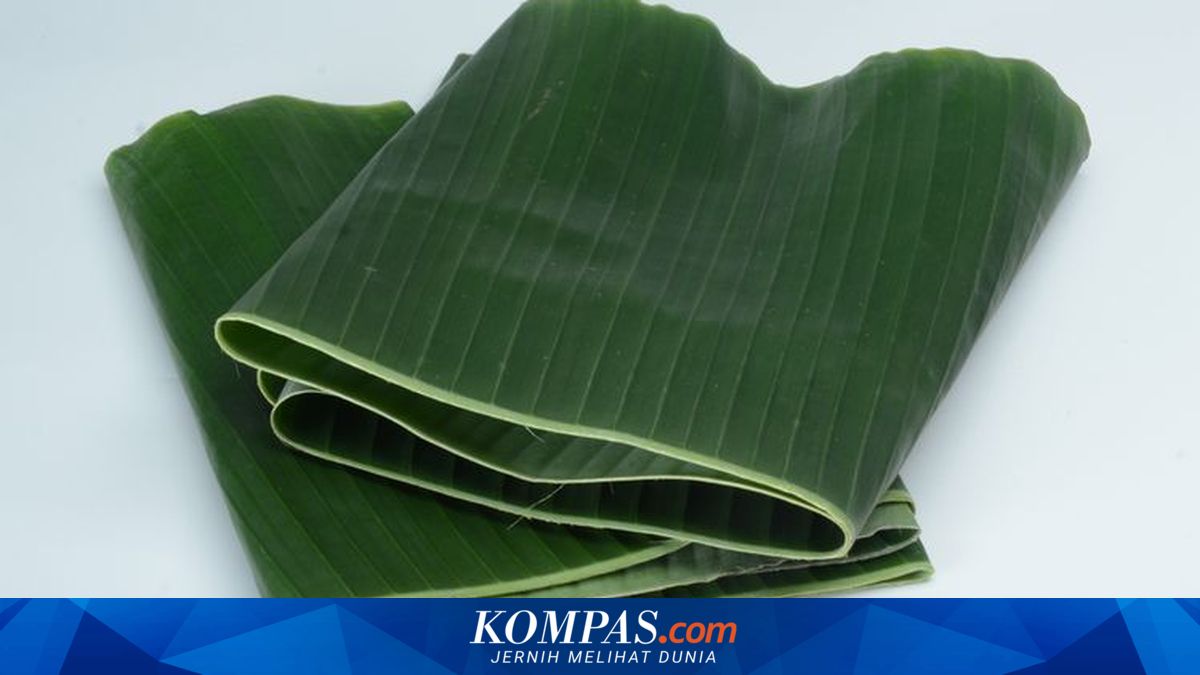
JAKARTA, KOMPAS.com - Wahana Lingkungan Hidup Indonesia (WALHI) suggests using banana leaves and paper as alternatives amid the continuously rising plastic prices. “We can start reducing dependency on plastic gradually, for example, using local-based materials like banana leaves or paper packaging,” said Wahyu Eka Styawan, Campaigner for Urban Justice and Spatial Planning Policy at WALHI’s Executive, when contacted by Kompas.com on Monday (6/4/2026). The use of alternative materials such as banana leaves and paper packaging is deemed necessary to be intensified by the government to the public, particularly small, micro, and medium enterprises (UMKM) operators. “The rise in plastic prices actually shows one important thing: that we have been too dependent on unstable materials based on fossil energy,” Wahyu continued. So far, many UMKM operators have relied on plastic because of its perceived low cost. However, according to Wahyu, plastic appears cheap because the environmental costs it causes have never been properly accounted for. When the price of plastic raw materials rises as it is now, UMKM become the party most affected. Therefore, this issue is not only related to short-term economics but also shows that a plastic-based business model is quite vulnerable. From the impact side, the use of plastic also causes complex problems for the environment and human health. Wahyu explained that plastic waste that is discarded does not truly disappear but breaks down into small particles called microplastics. Microplastics can contaminate soil, water, and food sources, including rice and fish. When these food materials are consumed by humans, it has the potential to disrupt health. “In the long term, the costs we bear are far greater than the cheapness of plastic today,” he stated. Nevertheless, switching from plastic to more environmentally friendly materials is not easy. The main challenge lies in the higher costs. However, Wahyu believes that this challenge can be balanced by increasing the selling value of UMKM products.