
Amid IHSG Pressure, Dasco and Danantara's Presence Deemed Strategic
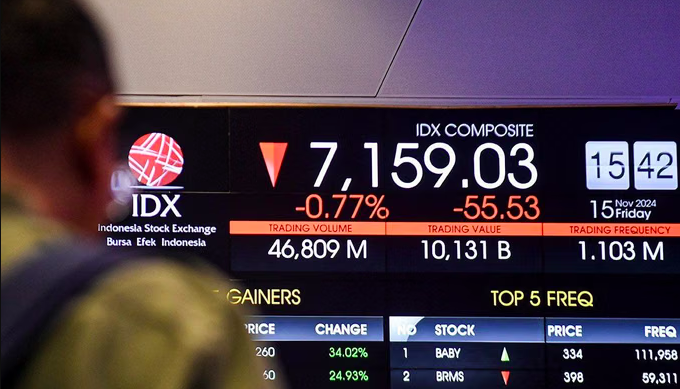
Amid the pressure on the Jakarta Composite Index (IHSG), the presence of DPR Deputy Speaker Sufmi Dasco Ahmad and the Danantara energy of investment group at the Indonesia Stock Exchange (BEI) has been viewed as a signal of state backing for the capital market in the face of the index’s weakness. Dasco visited BEI on Tuesday (19 May) together with Danantara CEO Rosan Roeslani and COO Dony Oskaria. They were welcomed by OJK Chairman Friderica Widyasari Dewi and BEI board members. In the meeting, several concrete steps to maintain confidence among global investors and domestic retail investors were discussed amid stock-market pressure and a depreciating rupiah.
Ani from the GREAT Institute said that linking the IHSG weakness to Dasco’s visit is a misinterpretation; the market had been under pressure since the trading day began, even before the group’s arrival. “The market was under pressure even before the group arrived at BEI, so it is not accurate to attribute today’s IHSG weakness to Mr. Dasco’s visit,” Ani said. She added that the presence of lawmakers, OJK, and Danantara is intended to reinforce optimism and confidence in Indonesia’s capital market.
According to GREAT Institute notes, the IHSG opened at 6,599 and briefly fell to around 6,565 before closing at 6,370, down 3.46% from the previous day. Ani explained three main factors behind the domestic stock-market decline: first, the MSCI rebalancing removing several Indonesian-emitted stocks from the standard/global index and small-cap index due to ownership concentration and transparency issues; secondly, FTSE Russell announced the removal of certain Indonesian shares with high ownership concentration, delaying full index re-ranking and the addition of new Indonesian stocks until September 2026; and third, macroeconomic weaknesses, including the rupiah’s depreciation beyond Rp17,700 per US dollar on 19 May 2026. Negative sentiment also stemmed from the one-door export policy debate in the Ministry of Energy and Mineral Resources (ESDM).
In this context, Ani noted that the attendance of government officials at BEI is important to strengthen market perception of government coordination and seriousness in maintaining economic stability. “The presence of the DPR leadership, OJK, and Danantara at BEI sends a message that the government and authorities are not neglecting market pressures,” Ani said. The GREAT Institute also viewed Dasco’s post-visit statements as constructive, with Dasco optimistic that Indonesia’s capital market will become stronger supported by rising retail-investor participation, solid economic fundamentals, and regulatory improvements to enhance domestic investors’ comfort.
Going forward, the GREAT Institute encourages the government, OJK, and BEI to accelerate capital-market reform, including greater transparency of share ownership, realignment of free-float rules, and strengthening market credibility to boost Indonesia’s competitiveness in the eyes of global investors.