
Amid Global Tensions, Energy Diplomacy Safeguards the National Economy
Amid a world once again rocked by geopolitical tensions, one economic fact repeatedly emerges: when conflicts intensify, energy prices fluctuate first, and national economies feel the impact soonest.
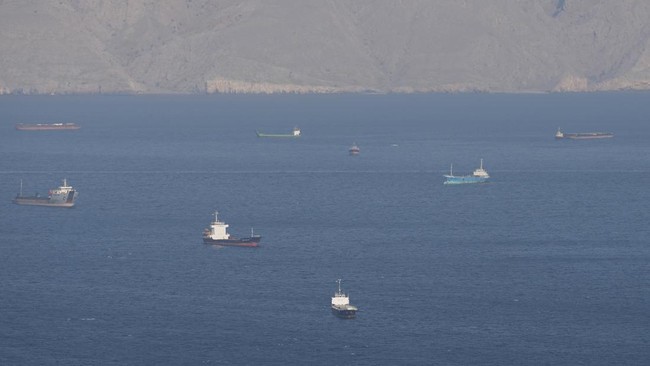
The surge in global oil prices breaching US$100 per barrel, due to escalating tensions in the Middle East and disruptions in the Strait of Hormuz supply routes, is not merely a commodities market issue but a direct threat to inflation, fiscal health, exchange rates, and public purchasing power.
In such circumstances, Indonesia’s active pursuit of energy diplomacy should be viewed not only as a foreign policy strategy but as a primary instrument for maintaining national economic stability. While many energy-importing countries face severe pressures, Indonesia is moving swiftly through layered diplomatic channels: economic communication is strengthened with the United States, strategic cooperation is expanded with China, and the President himself is engaging in high-level talks with Russia and France.
The visit to Moscow is particularly strategic, opening opportunities for diversifying oil supply sources amid global pressures. Reuters even reported that the agenda includes options for purchasing Russian oil as an alternative national energy source.
Energy Diplomacy as a Defence Line
This is where energy diplomacy demonstrates its strategic role. Energy today is no longer merely a commodity but the lifeblood of the national economy. When oil prices rise sharply, the effects quickly spread to nearly all sectors: transportation costs increase, food logistics become more expensive, industrial production costs rise, and domestic inflationary pressures intensify. The rupiah’s weakening, approaching its historic low of Rp17,130 per US dollar, illustrates how sensitive the economy is to external pressures stemming from energy.
In this context, energy diplomacy serves as the first line of defence for the national economy. First, it maintains domestic price stability. Indonesia still has significant dependence on oil and LPG imports.
Therefore, success in opening access to alternative supplies will greatly determine the government’s ability to contain fluctuations in fuel prices and electricity tariffs. If supplies are secure and import prices more controlled, inflationary pressures can be dampened before spreading wider to food prices and basic necessities.
Energy Diplomacy as a Defence Line
Second, energy diplomacy safeguards the state budget’s health. A rise in global oil prices directly increases the burden of energy subsidies and compensations. The government has allocated more than Rp381.3 trillion for energy subsidies and compensations to Pertamina and PLN.
When global oil prices surge far above budget assumptions, fiscal space becomes strained. In this situation, diplomacy becomes a highly concrete economic instrument: the better the access to alternative energy sources and more competitive prices, the greater the state budget’s room to focus on productive spending such as education, infrastructure, and social protection.
Maintaining Market Confidence and Growth
Third, energy diplomacy preserves market confidence and growth stability. Financial markets are highly sensitive to energy risks. When the government demonstrates proactive and measured steps to secure supplies, investor sentiment tends to improve. This is evident from the strengthening of the domestic stock market following optimism over diplomatic channels and potential access to cheaper oil from alternative sources.
Theoretically, this approach aligns with the concept of economic statecraft, the use of diplomatic instruments to achieve domestic economic goals. In the modern context, energy diplomacy is not just about bilateral relations but about how a country leverages international networks to safeguard inflation, exchange rates, fiscal health, and growth momentum.
From Diplomacy to Long-Term Resilience
However, short-term diplomatic success must not distract from long-term agendas. National economic resilience cannot rely solely on successful external negotiations.
This momentum must serve as a starting point to accelerate domestic refining capacity, expand strategic energy reserves, increase biodiesel blending, and hasten investments in new and renewable energy. Diplomacy must go hand in hand with structural reforms at home.
Ultimately, amid global tensions, what is being protected is not just oil supplies but national economic stability, public purchasing power, and the continuity of development.
In simpler terms, today’s energy diplomacy is the state’s way of ensuring that global upheavals do not immediately turn into a burden for Indonesian households triggered by rising fuel prices. When the world is in turmoil, national economic calm often stems from the deftness of diplomacy that works quietly yet decisively.
Source: jawawa.id (https://jawawa.id/newsitem/amid-global-tensions-energy-diplomacy-safeguards-the-national-economy-1776660656)
Originally published by CNBC Indonesia (https://www.cnbcindonesia.com/opini/20260420105245-14-728122/di-tengah-ketegangan-global-diplomasi-energi-menjaga-ekonomi-nasional), translated from Indonesian