
Amid Global Logistics Disruptions, National Container Throughput Continues to Grow
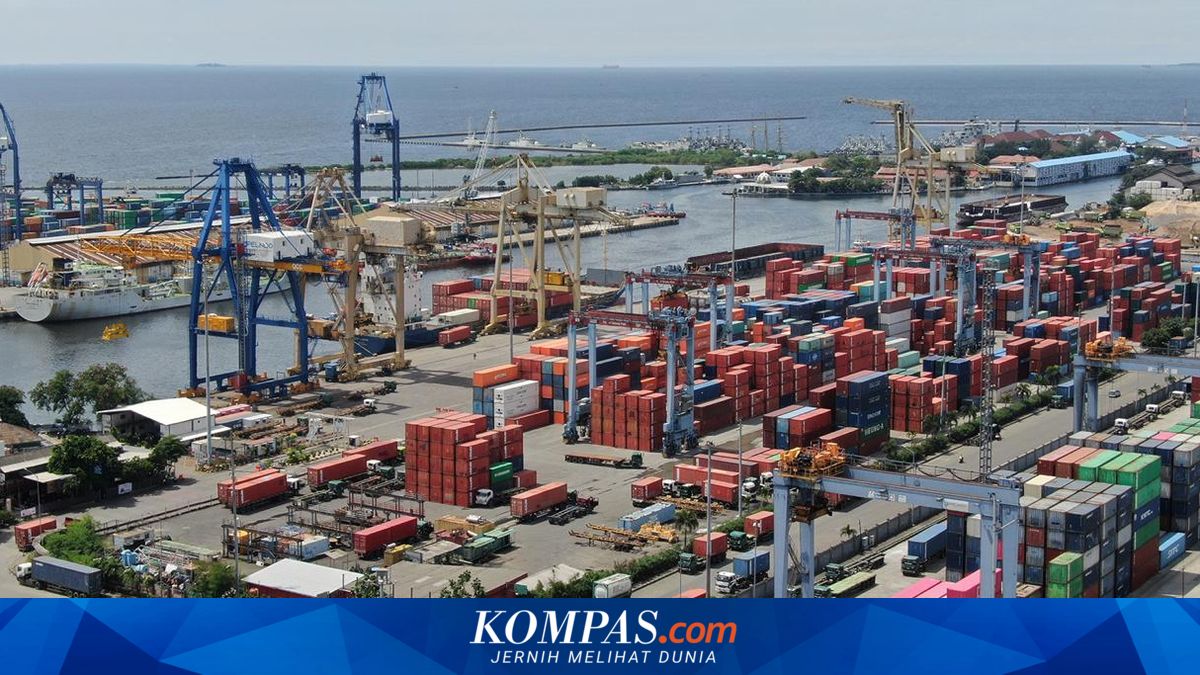
JAKARTA — National container throughput remained on growth in early Q2 2026 amid global supply chain pressures and rising international logistics costs. IPC Terminal Petikemas (IPC TPK) reported throughput through April 2026 of 1.15 million TEUs, up 6.7 percent from 1.08 million TEUs in the same period last year.
This growth aligns with the domestic trade trend. According to the Central Statistics Agency (BPS), Indonesia’s import value in January–March 2026 rose by 10.05 percent year on year. Indonesia’s trade balance also remained in surplus at USD 5.55 billion.
Daniel Setiawan, Senior Manager of IPC TPK Corporate Secretariat, said the company would continue to maintain service efficiency to ensure smooth logistics distribution. “Optimization and efficiency of our services are continuously maintained to support smooth goods flows and sustain the competitiveness of national logistics,” he said on Tuesday (19 May 2026).
Year on year, IPC TPK’s container throughput in April 2026 reached 308,810 TEUs, up 26.78 percent from 243,579 TEUs in April 2025. Daniel explained that the largest growth occurred in the Tanjung Priok area, with Area Tanjung Priok 2 rising 36.7 percent and Area Tanjung Priok 1 rising 24.3 percent. He said the rise was driven by additional ad hoc services and increased volumes from several shipping companies.
Meanwhile, the Palembang area recorded growth of 18.7 percent as exports–imports of commodities such as rubber, wooden products, coconuts and metal boxes rose. IPC TPK also strengthened operational synergies in several regions. In Teluk Bayur, the company cooperates with PTP Nonpetikemas Cabang Teluk Bayur in utilising the wharf and loading/unloading equipment to support logistics connectivity in West Sumatra. In Jambi, IPC TPK supported cinnamon exports by optimising services at Talang Duku Container Terminal to broaden international market access for the region’s flagship commodities.
“We will continue to strengthen infrastructure readiness and standardisation of services across all terminals to keep goods flows smooth amid the evolving dynamics of global logistics,” said Daniel.